What Is Purslane, and Why Should You Care?
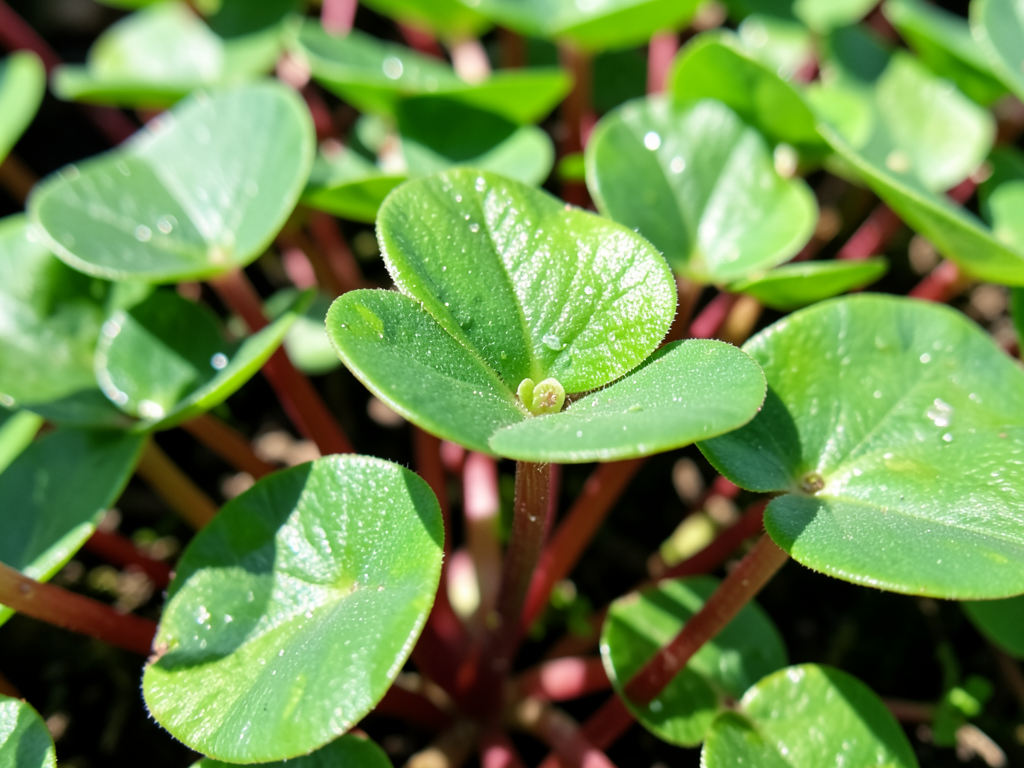
Purslane (Portulaca oleracea) is one of those plants that makes you wonder why humanity ever invented farming.
It grows in sidewalk cracks. It thrives in the worst soil you can imagine. It survives drought that kills everything else. And yet — packed into those fleshy, paddle-shaped leaves — is arguably one of the most nutrient-dense foods you can put in your body for free.
If you’ve been pulling purslane out of your garden and throwing it in the compost, this article is about to change your mind permanently.
The short answer: purslane is not just edible. It’s not just “good for you.” It’s a legitimate superfood that outperforms many cultivated vegetables in key nutritional categories — including, surprisingly, omega-3 fatty acid content, where it beats almost every other land plant on Earth.
Let’s walk through exactly what makes this humble “weed” so extraordinary.
1. Purslane Is the Richest Plant Source of Omega-3 Fatty Acids
This is the headline benefit, and it’s not hype.
Purslane contains more alpha-linolenic acid (ALA) — the plant-based omega-3 — than any other leafy green vegetable ever tested. In fact, researchers at the University of Texas found that purslane contains up to 400 mg of ALA per 100 grams of fresh leaves.
To put that in perspective:
| Food | Omega-3 ALA (per 100g) |
|---|---|
| Purslane (fresh) | 300-400 mg |
| Spinach | 138 mg |
| Kale | 180 mg |
| Romaine lettuce | 113 mg |
| Flaxseed (ground) | 22,800 mg |
While flaxseed wins in absolute numbers, you wouldn’t eat 100g of ground flaxseed in one sitting. You absolutely can eat 100g of purslane in a salad — and it’s delicious.
Omega-3s are critical for:
- Reducing systemic inflammation
- Supporting brain health and cognitive function
- Maintaining cardiovascular health
- Regulating blood pressure
- Protecting against chronic disease
The fact that a free, wild-growing plant delivers meaningful omega-3 levels is genuinely remarkable.
2. Packed with Antioxidants That Fight Oxidative Stress
Purslane is loaded with compounds that neutralize free radicals before they damage your cells:
- Glutathione — the body’s master antioxidant, crucial for liver detoxification
- Beta-carotene — precursor to vitamin A, protects eye and skin health
- Vitamin C — 21 mg per 100g, supporting immune function and collagen synthesis
- Vitamin E — fat-soluble antioxidant protecting cell membranes
- Melatonin — yes, the sleep hormone also functions as a potent antioxidant in plants
A 2024 study published in the Journal of Food Science and Technology demonstrated that purslane extract showed higher free radical scavenging activity compared to spinach and lettuce extracts at the same concentration.
3. Exceptionally High in Magnesium — The Overlooked Mineral
One cup of raw purslane (approximately 43g) provides about 29 mg of magnesium.
It might not sound like much, but consider this: purslane grows everywhere for free, and magnesium deficiency affects approximately 50% of Americans. Common symptoms of low magnesium include:
- Muscle cramps and twitching
- Poor sleep quality
- Anxiety and irritability
- Fatigue
- High blood pressure
Adding a handful of purslane to your daily meals — whether in a smoothie, salad, or stir-fry — is one of the easiest, cheapest ways to boost your magnesium intake naturally.
4. Contains More Potassium Than Spinach
Per 100 grams:
- Purslane: 494 mg potassium
- Spinach: 466 mg
- Banana: 358 mg
Potassium is essential for:
- Maintaining healthy blood pressure
- Proper muscle contraction
- Nerve signal transmission
- Fluid balance regulation
- Reducing stroke risk
The American Heart Association specifically recommends increasing dietary potassium to help counteract the effects of sodium on blood pressure. Purslane gives you more of this mineral than the banana that everyone associates with potassium.
5. Rich in Calcium for Bone Health — Without Dairy
Purslane provides roughly 65 mg of calcium per 100 grams.
For people avoiding dairy — whether for ethical, environmental, or digestive reasons — finding plant-based calcium sources that are actually bioavailable is challenging. Spinach contains more calcium on paper, but its high oxalate content blocks absorption.
Purslane’s oxalate levels are moderate, meaning your body can actually use the calcium it provides.
6. Natural Source of Melatonin for Better Sleep
One of purslane’s more surprising benefits: it’s one of very few plant foods that naturally contains melatonin.
While you won’t get a pharmaceutical dose from a salad, regular consumption of purslane may contribute to:
- Better sleep onset latency
- Improved circadian rhythm regulation
- Enhanced sleep quality over time
This is a nice bonus on top of the magnesium content, which independently supports sleep.
7. Purslane Supports Heart Health Through Multiple Mechanisms
Purslane benefits cardiovascular health through several pathways simultaneously:
- Omega-3s reduce inflammation in arterial walls
- Potassium helps lower blood pressure by counteracting sodium
- Magnesium supports proper heart rhythm and vascular tone
- Antioxidants prevent LDL cholesterol oxidation
- Dietary nitrates convert to nitric oxide, improving blood flow
This multi-target approach makes purslane more effective for heart health than any single isolated supplement could be.
8. May Help Regulate Blood Sugar
Animal studies and preliminary human research suggest purslane may improve glucose metabolism through several mechanisms:
- Slowing carbohydrate absorption in the intestine
- Enhancing insulin sensitivity
- Protecting pancreatic beta cells from oxidative damage
- Reducing post-meal blood sugar spikes
A 2023 meta-analysis in Phytotherapy Research concluded that purslane supplementation significantly reduced fasting blood glucose in diabetic animal models, though more human trials are needed.
If you have diabetes or prediabetes, purslane should complement — not replace — your prescribed treatment plan. Always consult your healthcare provider.
9. Excellent Source of Vitamin A Precursors
Purslane contains significant beta-carotene, which your body converts to vitamin A as needed:
- Supports eye health and night vision
- Maintains healthy skin and mucous membranes
- Boosts immune function
- Acts as an antioxidant in its own right
One cup of purslane provides approximately 1,320 IU of vitamin A activity — roughly 26% of the daily recommended intake.
10. Anti-Inflammatory Properties That Rival Cultivated Greens
Inflammation is the common thread running through most chronic diseases — heart disease, diabetes, arthritis, autoimmune conditions, and even depression.
Purslane’s anti-inflammatory effects come from:
- Omega-3 fatty acids (ALA)
- Flavonoids including kaempferol and quercetin
- Betalain pigments
- Vitamin C and E
Traditional medicine systems from China to Mexico have used purslane for centuries to treat inflammatory conditions. Modern science is now catching up to what folk healers observed empirically long ago.
11. Supports Digestive Health with Mucilage Fiber
Purslane contains a type of soluble fiber called mucilage — the same soothing substance found in aloe vera and okra.
Mucilage benefits digestion by:
- Forming a protective coating along the intestinal lining
- Soothing irritation and inflammation in the gut
- Promoting regular bowel movements
- Acting as a prebiotic, feeding beneficial gut bacteria
This makes purslane particularly valuable for people with sensitive digestion or inflammatory bowel conditions.
12. It’s Free, Abundant, and Impossible to Kill
The ultimate purslane benefit: accessibility.
Unlike trendy superfoods that cost $12 for a tiny bag of powder, purslane grows on every continent except Antarctica. It thrives in:
- Garden beds and vegetable patches
- Sidewalk cracks
- Driveway gravel
- Abandoned lots
- Farm fields (where it’s often sprayed with herbicides — avoid these)
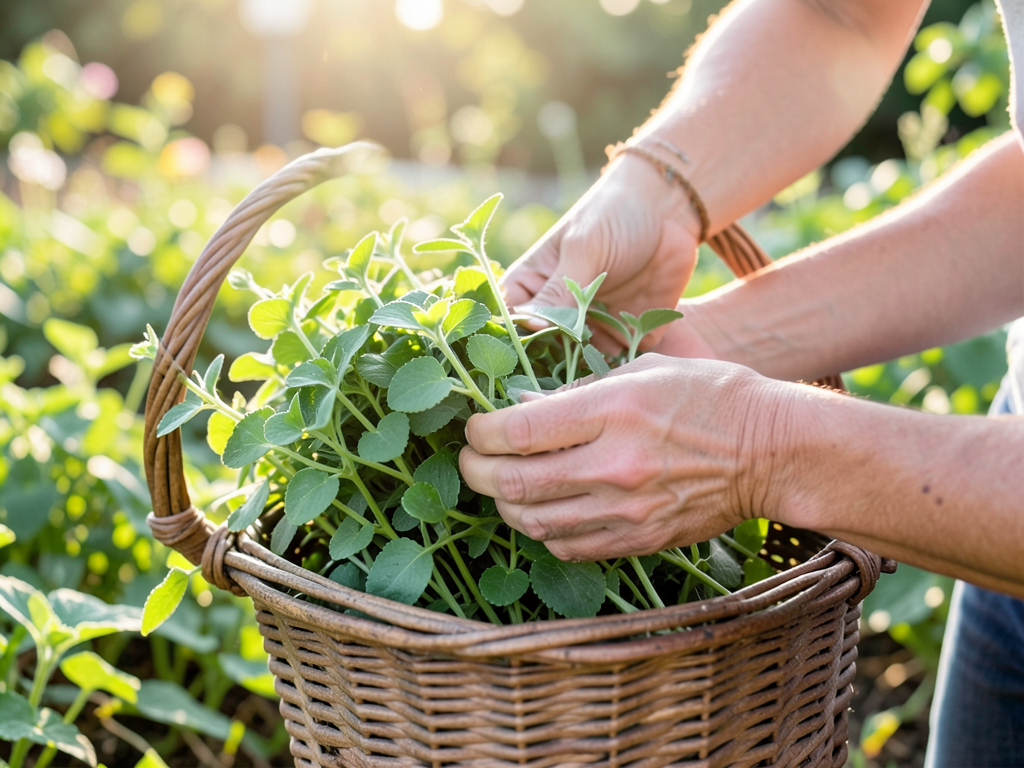
Purslane is a succulent, meaning it stores water in its leaves and stems. It can survive weeks without rain. It self-seeds aggressively. Once you learn to identify it, you have a lifetime supply of free, nutritious greens.

How to Identify Purslane (And Avoid Toxic Lookalikes)
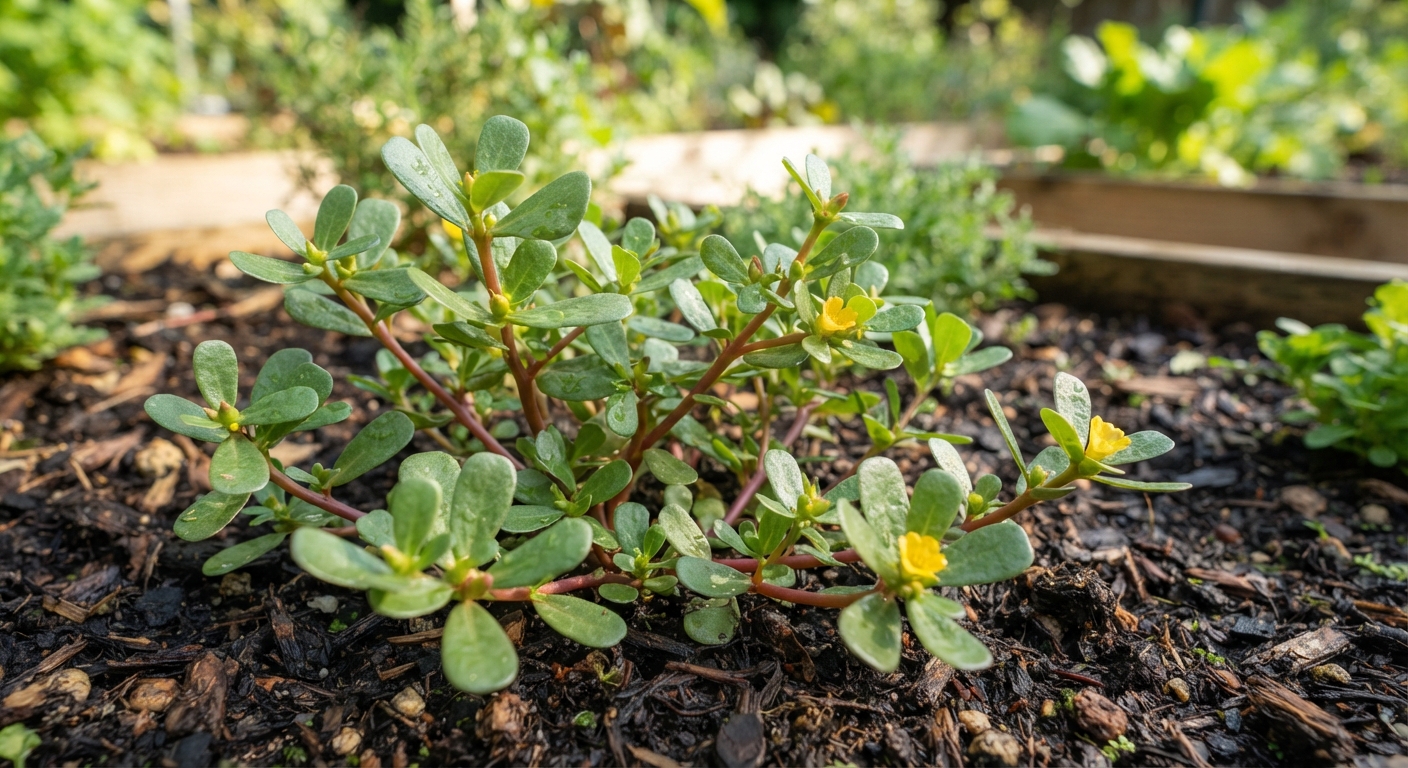
Before you start harvesting, identification is critical:
Purslane Identification Checklist
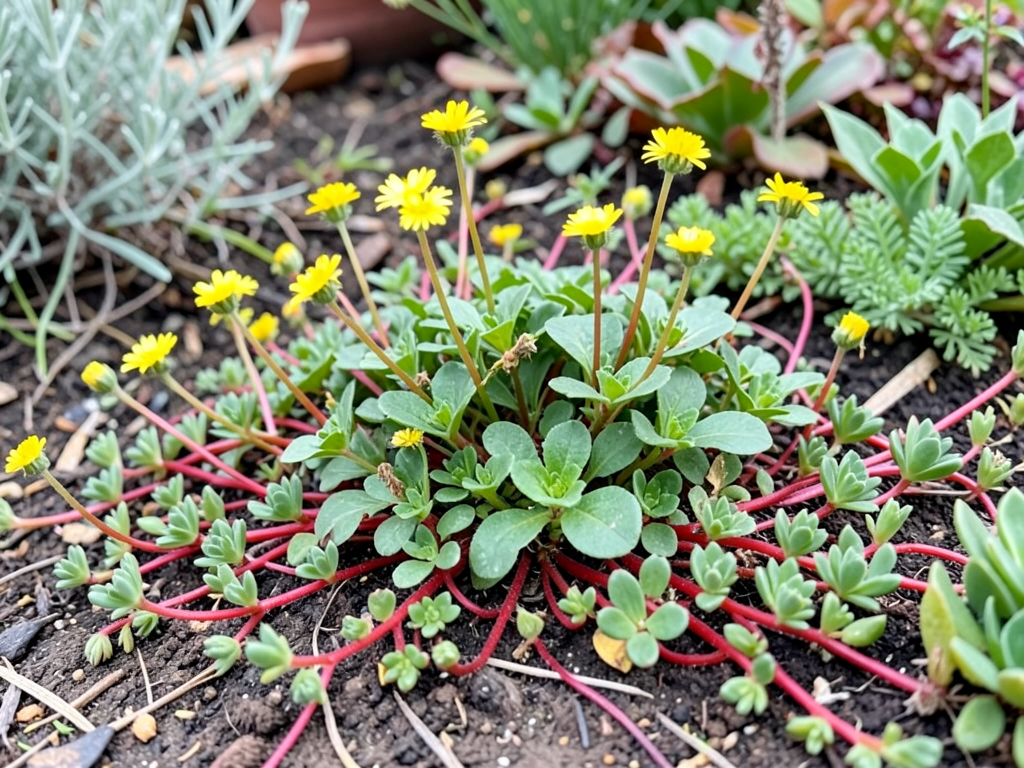
- Leaves: Fleshy, paddle-shaped, smooth edges, about 1-2 cm long, grow in clusters
- Stems: Reddish, smooth, succulent, spreading along the ground
- Flowers: Tiny yellow, 5 petals, open only in morning sun
- Growth pattern: Low-growing, spreading mat, rarely exceeds 3 cm in height
- Stem sap: Clear and watery, never milky
⚠️ Dangerous Lookalike: Spurge (Euphorbia species)
Spurge can look similar to purslane at a glance, but it’s toxic. Key differences:
| Feature | Purslane | Spurge |
|---|---|---|
| Stem sap | Clear, watery | White, milky |
| Leaves | Thick, succulent | Thin, flat |
| Stem | Reddish, smooth | Often hairy |
| Flower | Yellow, 5 petals | Tiny, surrounded by bracts |
| Growth | Mat-forming | More upright |
The milky sap test is the most reliable: break a stem. If white sap emerges, it’s spurge — do not eat.
How to Eat Purslane
Purslane has a mild, slightly lemony flavor with a pleasant crunch from the succulent stems. It’s versatile:
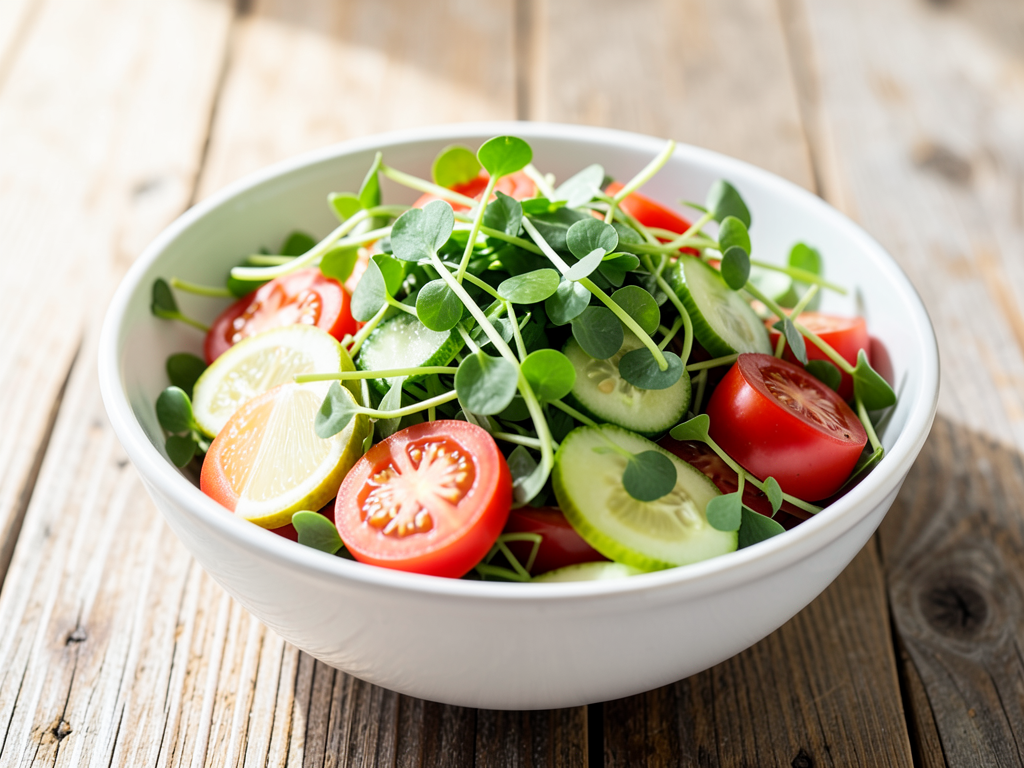
- Raw in salads — the classic preparation. Pair with tomatoes, cucumber, and a lemon vinaigrette
- Blended in smoothies — adds nutrients without overpowering flavor
- Stir-fried — quick sauté with garlic and olive oil
- In soups — add in the last 5 minutes of cooking to retain texture
- Pickled — traditional in Middle Eastern cuisine
- In omelets and frittatas — chop and fold into eggs
- As a garnish — fresh leaves on tacos, grain bowls, or avocado toast
Purslane Tzatziki (Quick Recipe)
- Finely chop 1 cup purslane leaves and tender stems
- Mix with 1 cup Greek yogurt
- Add 1 minced garlic clove, lemon juice, salt, and olive oil
- Let sit 15 minutes for flavors to meld
- Serve with grilled meats, pita, or as a dip
Frequently Asked Questions
Is purslane safe to eat raw? Yes. Purslane is completely safe to eat raw and is traditionally consumed this way worldwide. Just identify it correctly and wash it thoroughly.
Can I eat purslane every day? Yes. Purslane is a nutritious leafy green comparable to spinach or arugula. Moderate daily consumption is safe and beneficial. As with any food, extreme overconsumption is unnecessary.
Does cooking destroy purslane’s nutrients? Light cooking (steaming, quick sauté) preserves most nutrients. The omega-3s are somewhat heat-sensitive, so some raw consumption is ideal. Prolonged boiling will reduce vitamin C and some antioxidants.
Where can I find purslane? In gardens, farms, lawns, sidewalk cracks, and disturbed soil across most of the world — especially in summer. Farmers’ markets and some specialty grocers also sell cultivated purslane.
Is purslane the same as portulaca? Purslane (Portulaca oleracea) is a specific species within the Portulaca genus. Ornamental portulaca varieties (moss rose) are closely related but bred for flowers, not eating. Wild purslane is the culinary variety.
Can pregnant women eat purslane? Purslane has traditionally been used to support nutrition during pregnancy in many cultures. However, it’s always wise for pregnant women to consult their healthcare provider before adding new wild foods to their diet.
Does purslane have any side effects? Purslane is generally well-tolerated. Due to its oxalate content, people prone to calcium oxalate kidney stones should moderate their intake. The oxalate level is lower than spinach but significant.
The Bottom Line
Purslane isn’t just a weed — it’s a nutritional powerhouse hiding in plain sight.
With more omega-3s than any land plant, plus meaningful amounts of magnesium, potassium, calcium, antioxidants, and even melatonin, this humble succulent makes a compelling case for being called a true superfood. The fact that it grows for free in gardens and sidewalk cracks worldwide only adds to its appeal.
The next time you see purslane, don’t pull it. Pick it. Wash it. Eat it. Your body will thank you.
Disclaimer: This article is for informational purposes only. Always positively identify any wild plant before consumption. Consult a healthcare provider before using wild foods to treat any medical condition.