The first time I ate clover, I was seven years old. My grandmother pulled a handful of white clover flower heads from the lawn, rinsed them under the garden hose, and popped one into her mouth. “Tastes like green beans,” she said, chewing thoughtfully. I tried one. It did not taste like green beans. It tasted like grass with a faint hint of sweetness, and I immediately declared it disgusting.
Thirty years later, I eat clover regularly — in salads, steeped as tea, dried into flour. Not because I’ve developed a taste for lawn clippings, but because I finally learned how to prepare it properly. That’s the thing about clover nobody tells you: it’s not just edible. It’s genuinely good food. You just need to know what you’re doing.
What Makes Clover Edible?
Clover (Trifolium species) grows on every continent except Antarctica, and throughout most of human history, it was recognized as both food and medicine. The leaves, flowers, and even the seeds are edible in most clover varieties. What throws beginners off is the preparation gap — raw clover isn’t particularly enjoyable, and eating too much raw can cause digestive issues. But once you understand a few simple processing steps, clover transforms from survival food into an ingredient you’ll genuinely look forward to using.
There are over 300 species of clover worldwide, but when foragers talk about edible clover, they’re almost always referring to two common varieties:
- White clover (Trifolium repens): The familiar low-growing lawn plant with white or pinkish flower heads. Mild flavor, most versatile for cooking.
- Red clover (Trifolium pratense): Taller, with pinkish-purple flower heads. Slightly stronger taste, prized for both culinary and medicinal uses.
Both are edible, both are nutritious, and both are probably growing within 100 feet of wherever you’re reading this right now.
Nutritional Profile: What’s Actually in Clover?
Clover isn’t just “edible” in the survival sense. It’s genuinely nutritious. Here’s what you’re getting when you eat it:
| Nutrient | What It Does | Found In |
|---|---|---|
| Protein | Clover leaves contain 15-25% protein by dry weight — surprisingly high for a leafy green | Leaves, flowers |
| Vitamin C | Supports immune function and iron absorption | Fresh flowers, young leaves |
| Calcium | Bone health, muscle function | Leaves |
| Magnesium | Nerve function, energy production | Leaves, flowers |
| Isoflavones | Phytoestrogens with potential health benefits | Red clover flowers especially |
| Fiber | Digestive health | Leaves, stems |
| Beta-carotene | Precursor to Vitamin A | Dark green leaves |
Red clover blossoms deserve special mention. They’re one of the richest plant sources of isoflavones — compounds that have been studied for their potential to ease menopause symptoms, support cardiovascular health, and even reduce the risk of certain cancers. The research isn’t conclusive enough to call it a cure for anything, but it’s definitely enough to make you look at that pink flower in your lawn a little differently.
Identifying Edible Clover: Don’t Mistake It
Before you start grazing in your backyard, you need to know exactly what you’re looking at. Misidentification is the #1 reason foragers get into trouble. Here’s how to positively identify edible clover.
White Clover (Trifolium repens) Identification
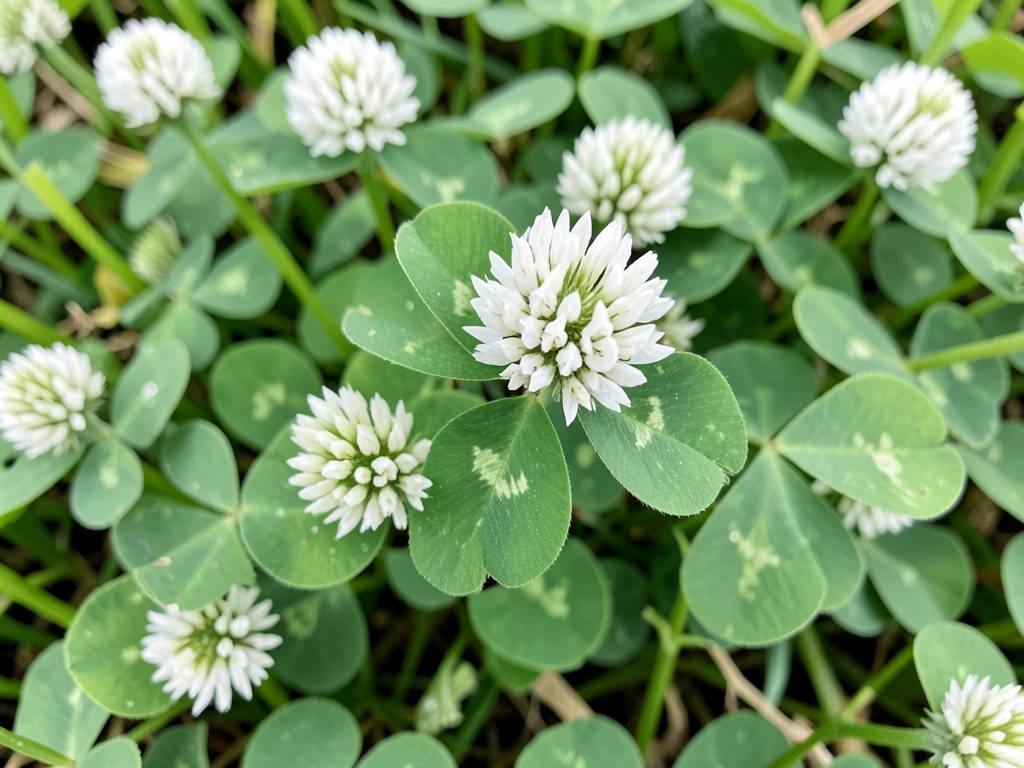
Look for these key features:
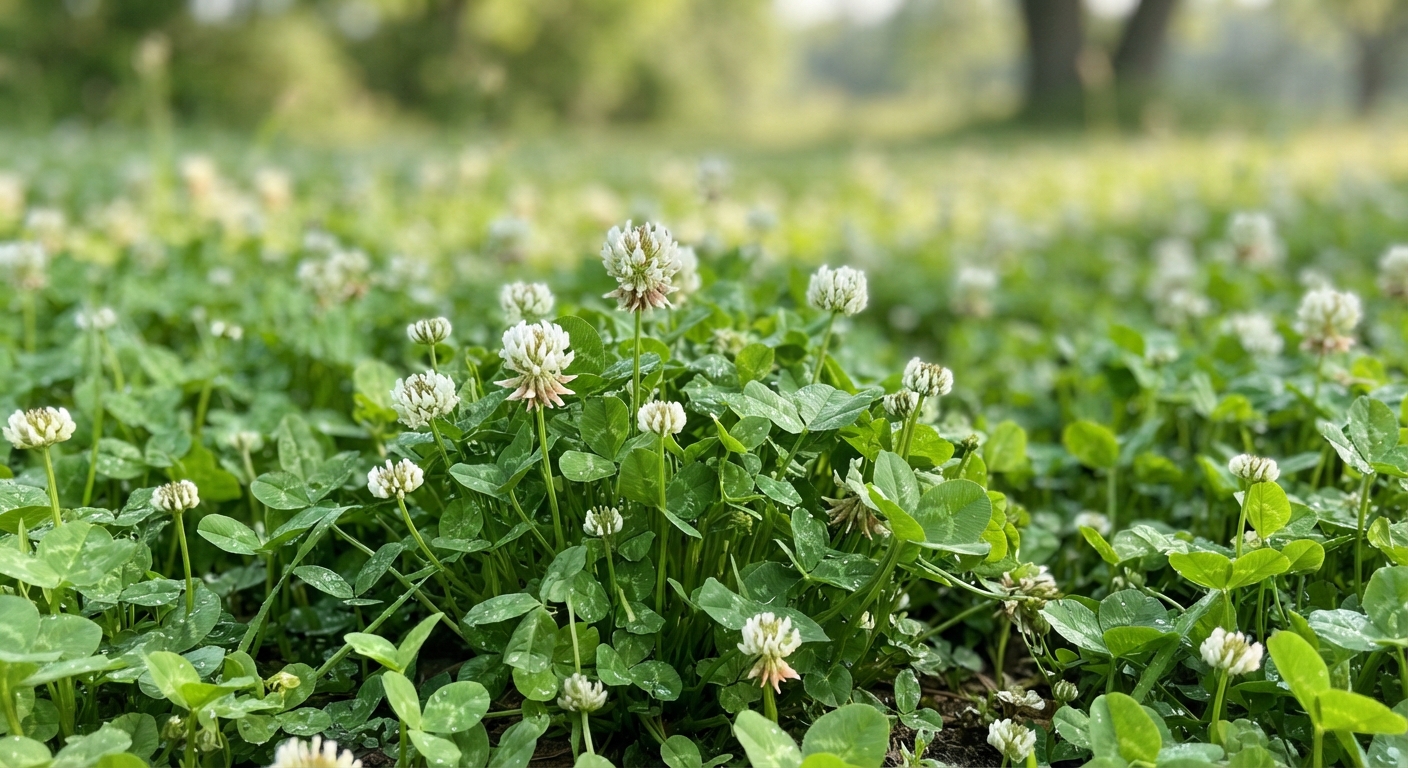
- Leaves: Three oval leaflets (hence trifolium), each about ½ to 1 inch long. The leaflets often have a pale, crescent-shaped marking — the classic “watermark” or chevron. They’re arranged alternately on creeping stems.
- Flowers: Round, white (sometimes pale pink) flower heads made of dozens of tiny individual florets. Each head is about ½ to ¾ inch across. They look like little pom-poms sitting on top of slender stalks.
- Growth habit: Low-growing, spreading via stolons (above-ground creeping stems) that root at the nodes. You’ll rarely see it more than 6 inches tall.
- Stems: Smooth, hairless, creeping along the ground. The flower stalks stand upright.
- Habitat: Lawns, fields, roadsides, pastures — basically anywhere grass grows. It’s the plant responsible for those white flowers dotting your lawn in spring and summer.
Red Clover (Trifolium pratense) Identification
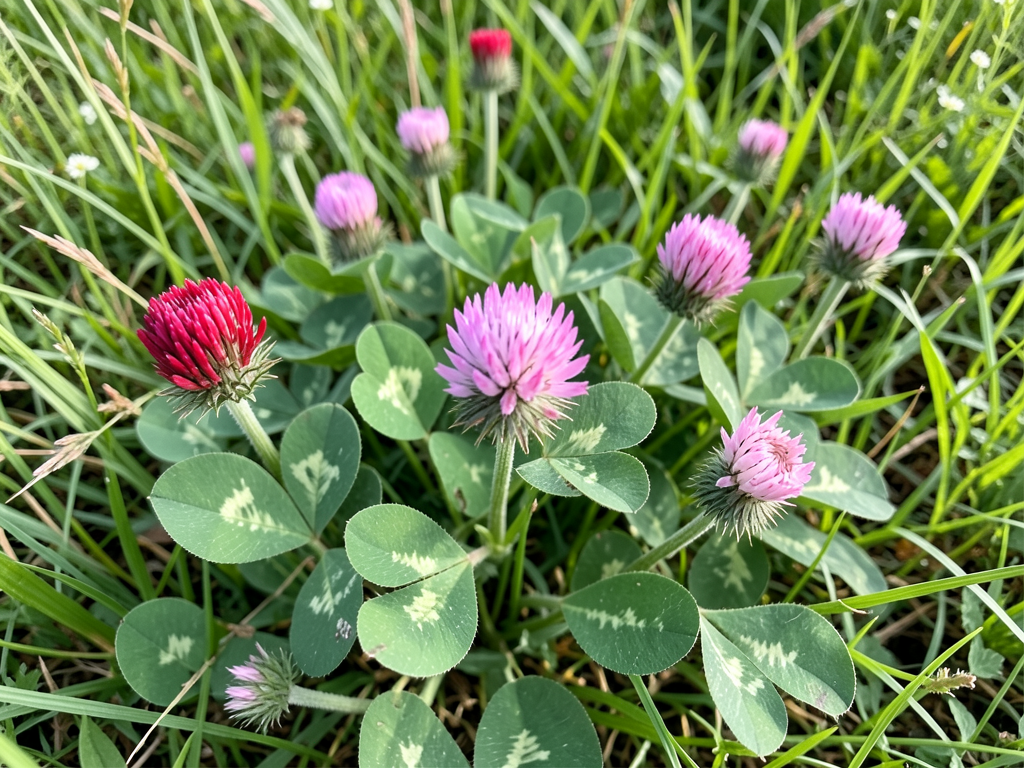
Red clover is less common in manicured lawns but abundant in meadows and less-maintained fields:
- Leaves: Three leaflets, similar to white clover but larger (1-2 inches), with a more prominent pale chevron marking. The leaves are covered in fine hairs — pick one and feel it. White clover leaves are smooth.
- Flowers: Larger than white clover, about 1 inch across, with a distinctive pinkish-purple or magenta color. They’re elongated, almost cone-shaped, not flat like white clover.
- Growth habit: Upright and taller, reaching 6-24 inches. Does not creep like white clover — each plant has its own root system.
- Stems: Erect, hairy.
- Habitat: Meadows, hay fields, roadsides, old pastures. Prefers slightly richer soil than white clover.
Dangerous Look-Alikes
Here’s where you need to pay attention. Two plants can be confused with clover, and neither should be eaten:
Black medic (Medicago lupulina) looks somewhat similar to clover with its three leaflets, but its flowers are small, yellow, and clustered differently — they’re tiny and look more like little yellow balls on short stems. Black medic is not toxic but isn’t particularly good eating either.
Yellow sweet clover (Melilotus officinalis) has clover-like three-part leaves but grows much taller (2-5 feet) and produces tall spikes of yellow flowers. Sweet clover contains coumarin, which can convert to dicoumarol — a potent blood thinner — when the plant molds. Historically, this has killed cattle fed on spoiled sweet clover hay. Do not eat any clover-like plant that has yellow flowers or grows taller than 2 feet.
Wood sorrel (Oxalis species) is often confused with clover because of its three heart-shaped leaflets, but it’s actually a different plant entirely. Wood sorrel has a distinct sour, lemony taste (from oxalic acid), and its flowers have five petals — clover flowers don’t. Wood sorrel is edible in moderation but high in oxalic acid, so limit consumption.
The rule of thumb: if you see white or pink round flower heads on a low-growing plant with three oval leaflets, you’re looking at clover. Yellow flowers = not clover.
How to Harvest Clover
Harvesting clover is straightforward, but a few guidelines make the difference between a good meal and a mediocre one.
Pick young and fresh. The best leaves and flowers come from plants that haven’t yet gone to seed. Spring and early summer are prime time. As clover matures, the leaves get tougher and more bitter.
Avoid contaminated areas. This is crucial. Clover absorbs what’s in the soil, and it’s often sprayed with herbicides when it’s in lawns. Never harvest from:
- Lawns treated with pesticides or herbicides
- Roadsides (heavy metal accumulation from car exhaust)
- Areas where dogs frequently urinate
- Agricultural field edges (pesticide drift)
Harvest mid-morning. After the dew has dried but before the midday sun wilts the plants. This is when the flowers have the highest sugar content and best flavor.
How to pick flowers: Pinch the flower head right below the blossom. The green base (calyx) is edible too, but can be slightly bitter. For tea, pick only fully opened flower heads — buds haven’t developed their full flavor yet.
How to pick leaves: Select the youngest leaves — those near the growing tips. Older leaves lower on the stem tend to be tough and bitter. You can take about one-third of the leaves from any given patch without harming the plant.
Preparing Clover for Eating
Raw clover is where most people give up. It’s tough, the flavor is overwhelmingly green, and eating too much raw can cause bloating — clover leaves contain compounds that are hard to digest in their raw state. Here’s how to actually make it good.
Basic Preparation
- Rinse thoroughly. Clover grows close to the ground. Dirt, bugs, and the occasional ant find their way into flower heads. Swish in cold water and let drain.
- Remove tough stems. The thin stems attached to individual leaves are fine, but the main flower stalks and creeping stems are fibrous. Pinch these off.
- Blanch the leaves. This is the game-changer. Drop the leaves into boiling water for 30-60 seconds, then plunge into ice water. Blanching removes bitterness, improves digestibility, and turns the leaves a beautiful bright green. It also eliminates the slight toughness that makes raw clover leaves unappealing.
Clover Tea (The Gateway Preparation)
If you do nothing else with clover, try this. It’s the easiest preparation and genuinely delicious.
Steep 2-3 tablespoons of fresh red clover blossoms (or 1 tablespoon dried) in a cup of just-boiled water for 10-15 minutes. The resulting tea is mild, slightly sweet, almost vanilla-like. It’s excellent on its own or blended with mint, lemon balm, or honey.
Red clover tea has been a folk remedy for centuries — used for coughs, skin conditions, and as a general wellness tonic. Modern research has focused on the isoflavone content and potential benefits for menopausal symptoms, but even just as a beverage, it’s worth drinking.
Edible Clover Recipes
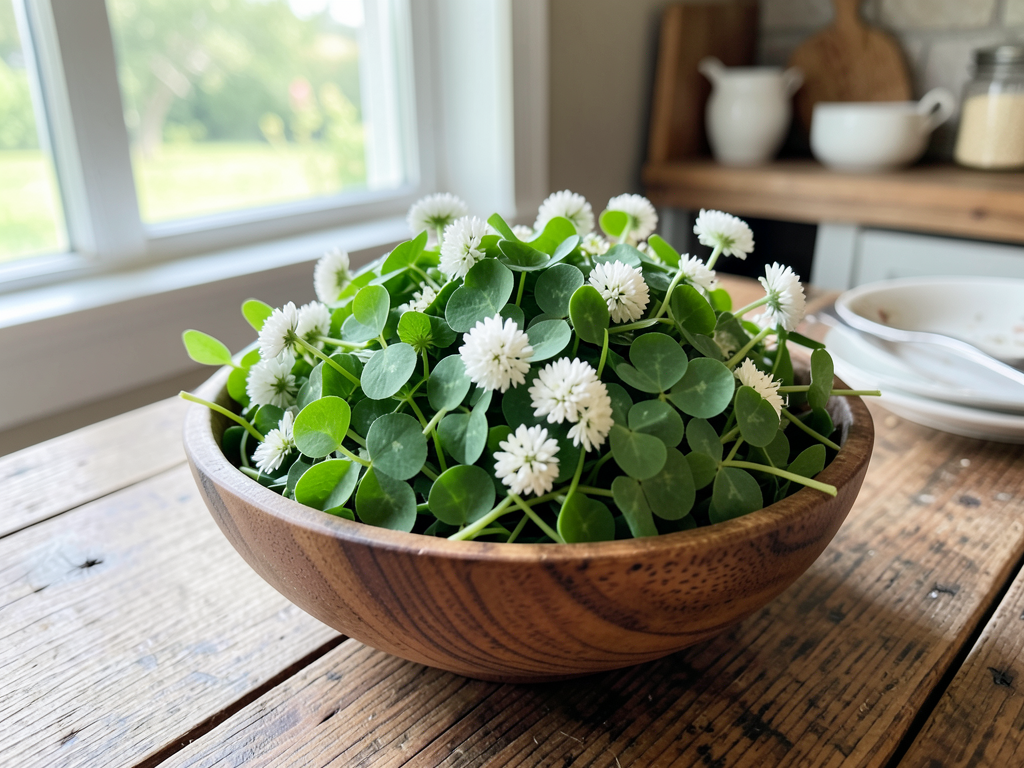
Clover Flower Fritters
This is the recipe that converts clover skeptics. The flowers develop a delicate, almost sweet flavor when lightly fried.
Ingredients:
- 1 cup fresh white or red clover flower heads (stems removed)
- ½ cup all-purpose flour (or chickpea flour for gluten-free)
- ½ teaspoon salt
- ¼ teaspoon black pepper
- 1 egg, beaten
- ¼ cup milk or water
- Oil for frying
Method:
- Whisk together flour, salt, and pepper. Add egg and milk, stirring until you have a smooth batter (thicker than pancake batter).
- Heat about ½ inch of oil in a skillet over medium heat.
- Dip each clover flower head into the batter, let excess drip off, and carefully place in the hot oil.
- Fry 1-2 minutes per side until golden brown and crispy.
- Drain on paper towels, sprinkle with a pinch of salt, and serve immediately.
These fritters are crispy on the outside, tender-sweet inside, and absolutely addictive.
Wild Greens Salad with Clover
Blanched clover leaves are the secret to this simple salad.
Ingredients:
- 2 cups blanched clover leaves (blanch 1 minute, shock in ice water, drain well)
- ½ cup fresh clover flowers
- ¼ cup toasted walnuts
- 2 tablespoons crumbled feta or goat cheese
- Simple vinaigrette: 3 parts olive oil, 1 part apple cider vinegar, touch of honey, salt, pepper
Method: Toss blanched leaves with vinaigrette, top with flowers, walnuts, and cheese. The blanching transforms the leaves — they’re tender and mild, nothing like the raw version.
Clover Flour
This is a useful pantry ingredient — dried clover flowers ground into a powder that you can add to wheat flour for baking.
- Harvest fully open clover flower heads (red clover works best for this).
- Spread them on a baking sheet and dry in a 170°F (75°C) oven for 2-3 hours, or in a dehydrator, until completely brittle.
- Grind in a coffee grinder or food processor until powdered.
- Store in an airtight jar. Use as a supplement to regular flour at about 10-20% of total flour weight for pancakes, muffins, or bread. It adds a slightly nutty, earthy flavor and a nutritional boost.
Clover-Infused Honey
This is so simple it barely qualifies as a recipe, but it’s wonderful on toast, in tea, or drizzled over yogurt.
Pack a clean jar halfway with fresh clover blossoms (gently rinse and dry them first). Pour raw honey over them until the jar is full. Let it sit for 1-2 weeks, turning the jar occasionally. The honey will take on a delicate floral flavor. Strain out the blossoms if you prefer, or leave them in.
Medicinal Uses of Clover
Beyond the dinner plate, both white and red clover have long histories in herbal medicine. Here’s what the evidence supports and what remains folk tradition.
Red clover for menopause symptoms. This is the most well-studied medicinal use of clover. Red clover isoflavones are phytoestrogens — plant compounds that can weakly mimic estrogen in the body. Multiple clinical trials have examined red clover for hot flashes and other menopausal symptoms, with mixed but generally positive results. The supplement industry has taken full advantage of this, with red clover extracts marketed as natural hormone therapy. The evidence suggests a modest benefit for some women, but it’s not a replacement for medical treatment.
Skin conditions. Clover preparations — particularly salves made from red clover flowers — have been used traditionally for eczema, psoriasis, and minor wounds. The flowers contain compounds with anti-inflammatory activity. While there’s limited clinical evidence, the traditional use is long-established and largely safe.
Respiratory support. Clover tea has been a folk remedy for coughs, bronchitis, and whooping cough. The flowers are mildly expectorant, meaning they may help loosen phlegm. Again, evidence is primarily traditional rather than clinical.
Detoxification claims — be skeptical. You’ll see clover marketed as a “blood purifier” and “detox” herb. These claims aren’t supported by science. Your liver and kidneys handle detoxification just fine without herbal assistance. Drink clover tea because you enjoy it, not because you think it’s cleansing your blood.
Important: If you’re pregnant, nursing, taking blood thinners, or have a hormone-sensitive condition, consult your healthcare provider before using clover medicinally. The isoflavones that make red clover interesting also mean it can interact with medications.
Safety and Precautions
Edible doesn’t mean risk-free. Here’s what you need to know before you start eating clover regularly.
The Bloating Problem
Raw clover contains compounds that ferment in your gut, causing gas and bloating. This is natural — clover is high in fiber and contains indigestible sugars. The solution is simple: blanch it. A quick 30-60 second boil eliminates most of the digestive issues. If you’re eating it raw in a salad, start with small amounts and see how your body responds.
Oxalate Content
Clover contains oxalates, compounds that can contribute to kidney stone formation in susceptible individuals. If you have a history of calcium oxalate kidney stones, limit your clover consumption and consider blanching (which reduces oxalate content). This isn’t unique to clover — spinach, chard, and beet greens are all high in oxalates too.
Allergic Reactions
Clover is a legume, related to peas and beans. If you have a legume allergy, approach with caution. Start with a tiny taste and wait a few hours before eating more.
Blood Thinning
Red clover contains small amounts of coumarin (less than sweet clover, but still present). If you’re on blood-thinning medications like warfarin, talk to your doctor before making clover a regular part of your diet.
The Mold Risk
This is the most serious caution on this list and the one most people overlook. If you harvest clover and it gets wet, moldy, or starts to decompose, throw it away immediately. Moldy legumes in the clover family can develop compounds that interfere with blood clotting. This is extremely rare in home-scale foraging, but it’s worth knowing about. Only harvest fresh, clean plants, and process or refrigerate them promptly.
Pesticide Awareness
Clover is one of the most commonly herbicide-sprayed plants in suburban environments. Those perfect-looking lawns with clover-free grass? They’ve almost certainly been chemically treated. Know your harvesting area. If there’s any doubt about whether a lawn has been sprayed, don’t harvest from it.
Foraging Ethics and Sustainability
Clover is abundant, but good foraging practices still apply:
- Take no more than one-third of the flowers and leaves from any patch. Leave enough for pollinators — clover is a vital nectar source for bees.
- Don’t pull plants up by the roots. Clover fixes nitrogen in the soil and improves it for other plants. Pinch off what you need and let the plant keep growing.
- Rotate your harvest spots. Give patches time to recover between harvests.
- Respect private property. That beautiful clover field might be someone’s hay crop or pasture. Ask permission.
Frequently Asked Questions
Can you eat all types of clover?
Most Trifolium species are edible, but stick to the ones you can confidently identify: white clover and red clover. Avoid clover-like plants with yellow flowers, as these may be sweet clover or black medic — neither of which should be eaten in significant quantities.
Is it safe to eat clover from your lawn?
Only if you’re absolutely certain the lawn hasn’t been treated with herbicides, pesticides, or synthetic fertilizers. If you rent your home or recently moved in, you can’t be sure what the previous occupants applied. When in doubt, find clover in an untreated meadow or grow your own.
What does clover taste like?
Fresh white clover flowers have a mild, slightly sweet flavor — some people say they taste faintly of green beans or peas. Raw leaves are grassy and somewhat bitter. Blanched leaves are much milder and more pleasant. Red clover is slightly stronger-tasting and a bit sweeter than white clover.
Can you eat clover raw?
Yes, but in moderation. Raw clover leaves can cause bloating and digestive discomfort if you eat too many. Raw flowers are gentler on the stomach. Blanching is recommended for leaves if you plan to eat more than a small handful.
When is the best time to harvest clover?
Mid-morning on a dry, sunny day, in late spring through early summer. This is when the flowers are most abundant and the leaves are still tender. You can harvest throughout summer and into fall, but the quality declines as plants mature.
How do you dry clover for tea?
Spread clean clover flower heads in a single layer on a drying rack or baking sheet. Place in a well-ventilated area out of direct sunlight. They should dry completely in 3-5 days. Alternatively, use a dehydrator at 95-110°F (35-43°C) for 4-6 hours. Store dried flowers in an airtight jar away from light.
Can you cook with clover like spinach?
Blanched clover leaves can replace spinach in many recipes — soups, quiches, stir-fries, and egg dishes. They hold up well to cooking and won’t wilt to nothing the way spinach does. The flavor is milder than spinach, so they work in recipes where you want greens for nutrition rather than taste.
Are four-leaf clovers more nutritious?
No. Four-leaf clovers are a genetic anomaly, not a different species. They have the same nutritional profile as three-leaf clovers. You might feel luckier eating one, but it won’t be more nutritious.
The Big Picture
Clover is one of those plants that forces you to reconsider what “food” looks like. We’ve been conditioned to think of edible plants as the ones in the produce aisle — neat, uniform, well-behaved. Clover is none of those things. It grows in sidewalk cracks. It colonizes abandoned lots. It appears in lawns that people spend hundreds of dollars trying to kill every year.
And yet, it’s more nutritious than most of what we buy at the grocery store.
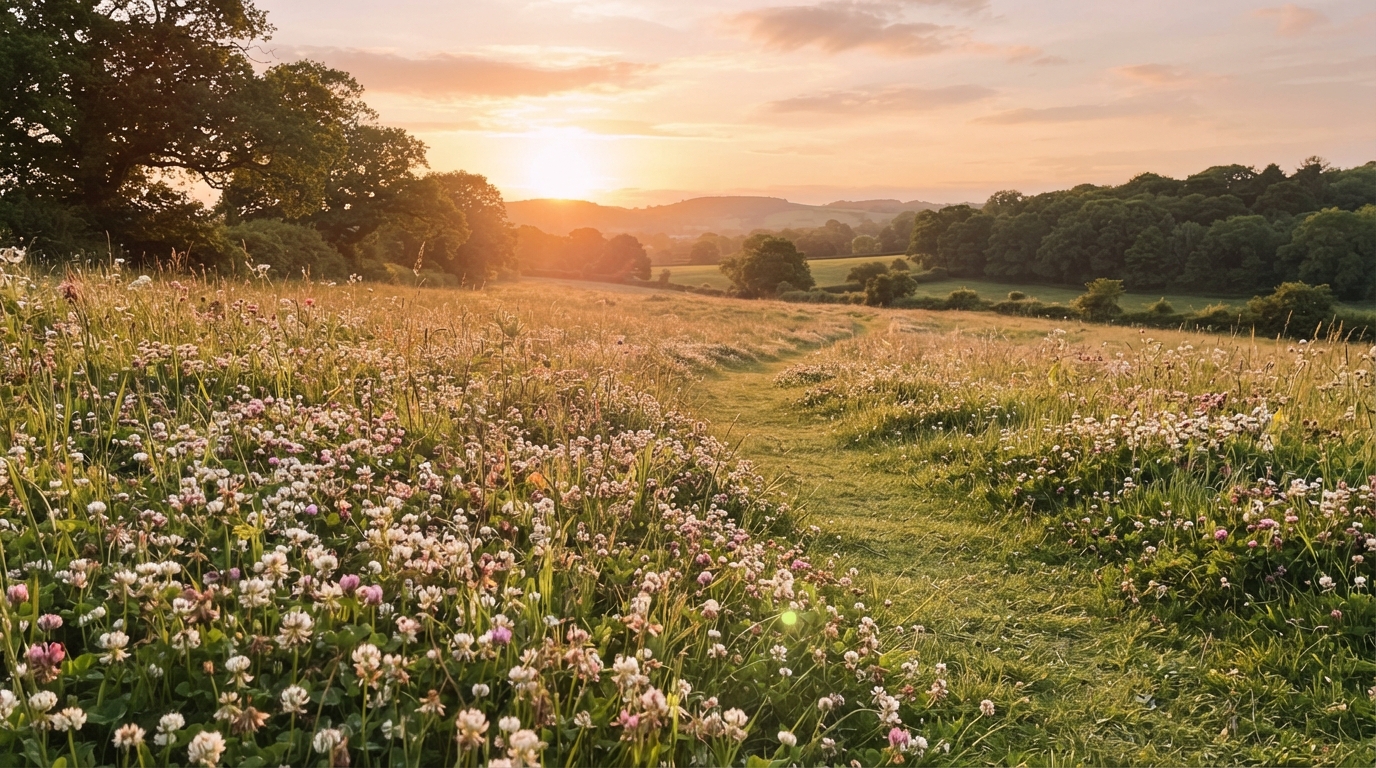
The value of clover as a food source goes beyond nutrition, though. Learning to identify, harvest, and prepare a plant that most people dismiss as a weed changes your relationship with the natural world. Suddenly, you notice what’s growing around you. You learn your local ecosystem — not as an abstract concept, but as a potential source of food and medicine.
My grandmother’s clover-eating lesson when I was seven wasn’t really about teaching me to eat weeds. She was demonstrating something subtler: that food doesn’t only come from stores, that the natural world provides, and that knowledge of plants is a form of freedom. I didn’t understand any of that back then. The clover still tasted like grass.
But now, decades later, when I pull a handful of clover blossoms from my garden for evening tea, I get it. She was right. It doesn’t taste like green beans. It tastes like knowing something most people have forgotten.
Related Foraging Guides
If you found this clover guide useful, you might also want to explore:
- Dandelion edible parts — From roots to flowers, dandelions are the ultimate beginner’s edible weed
- Common edible wild plants — A broader introduction to the wild foods growing in your neighborhood
- Edible flowers list — Beyond clover, discover what other common flowers you can eat
- Early spring foraging — What to look for when the snow melts and the first plants emerge
- Dangerous look-alike plants — Essential reading before you eat anything from the wild
Disclaimer: This guide is for educational purposes only. Always consult multiple reliable sources, use a physical field guide for identification, and consult your healthcare provider before using any plant medicinally. Never eat any wild plant unless you are 100% certain of its identity.