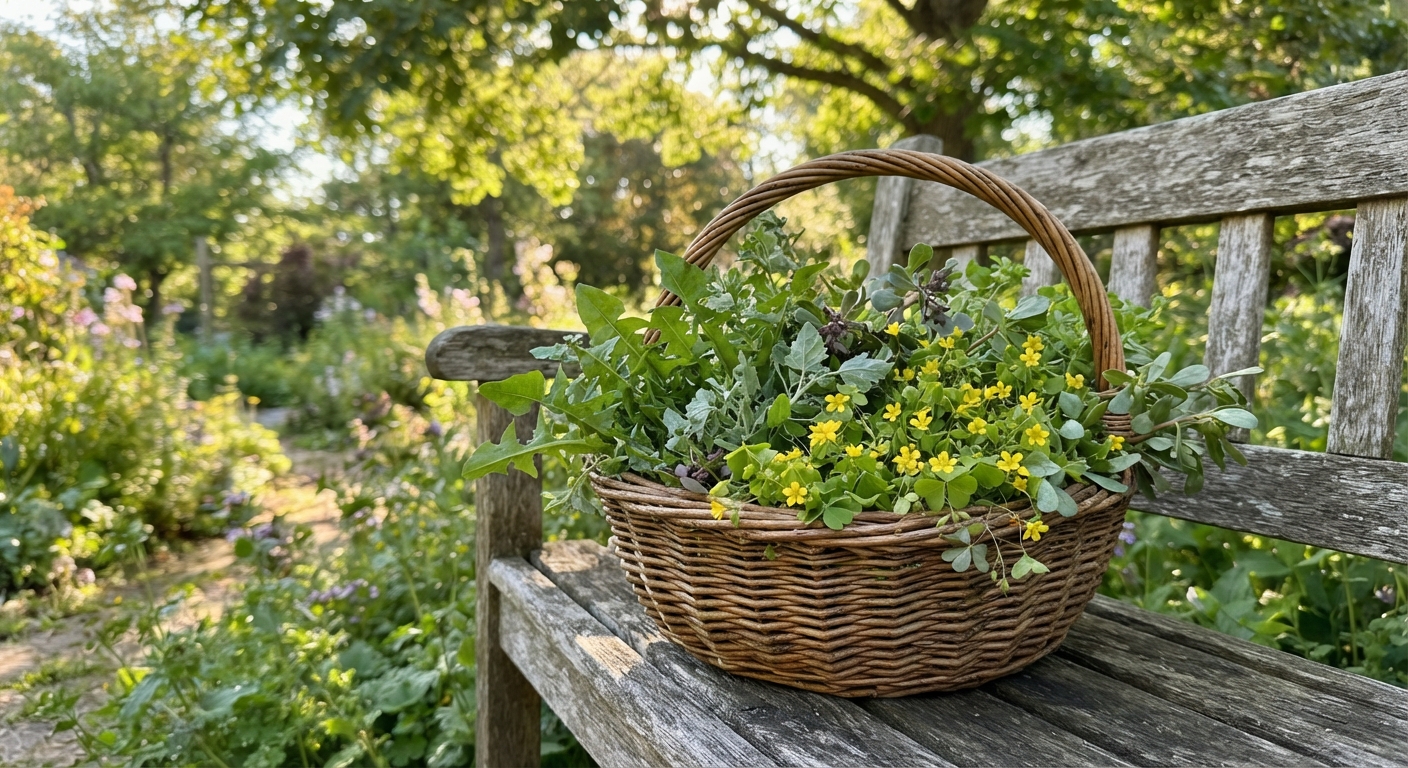
The first time I ate purslane, I was standing barefoot in my grandmother’s vegetable patch in Central Java. She pointed at a thick, sprawling plant with reddish stems and tear-shaped leaves — the kind most people yank out and toss. “Krokot,” she said. “Good for your blood.” She pinched off a few leaves, rinsed them under the garden hose, and handed them to me. They tasted lemony, slightly salty, with a satisfying crunch.
Years later, when I started seriously studying wild edible plants, I discovered my grandmother had been right all along — but she’d actually undersold it. Purslane isn’t just “good for your blood.” It’s one of the most nutrient-dense plants you can put in your mouth, and it’s growing in sidewalk cracks, garden beds, and vacant lots all over the world.
If you’ve been pulling this plant and throwing it in the compost, you’ve been throwing away free superfood.
Let me show you exactly what purslane can do for your health, backed by actual nutrition science — and how to eat it in ways you’ll genuinely enjoy.
What Is Purslane?
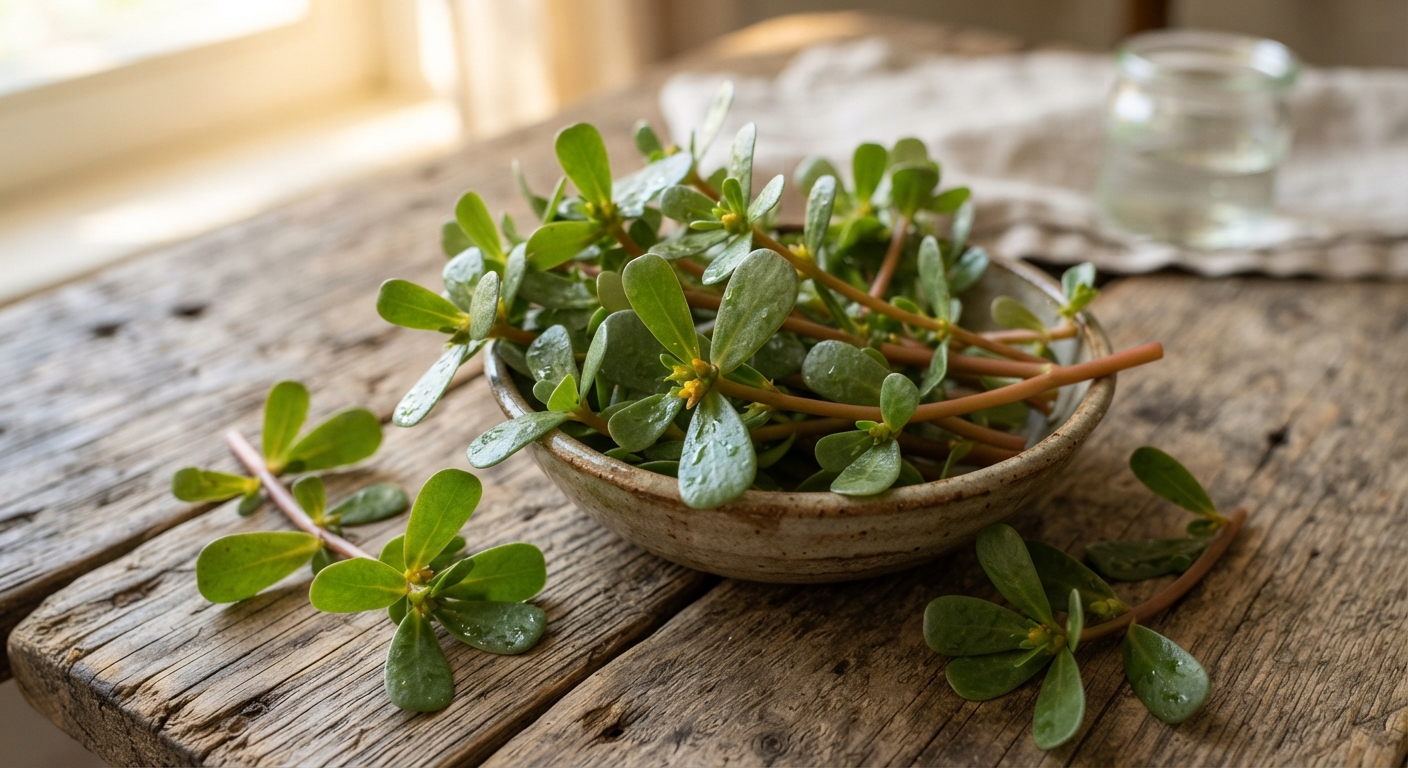
Purslane (Portulaca oleracea) is a succulent annual plant that grows in over 100 countries. It thrives in hot, sunny conditions and can survive in poor soil where most plants give up. You’ll find it in gardens, agricultural fields, sidewalk cracks, and disturbed soil — basically anywhere humans have left a patch of dirt.
It’s been eaten for thousands of years. Ancient Egyptians used it medicinally. Traditional Chinese Medicine considers it a cooling herb that clears heat and detoxifies the body. In Mexico, it’s called verdolaga and cooked with pork and tomatillos. In Greece and Turkey, it’s tossed raw into salads with yogurt and garlic. In India, it’s stir-fried with lentils and spices as kulfa ki sabzi.
And yet in North America and much of Europe, most people treat it as nothing more than an annoying garden weed.
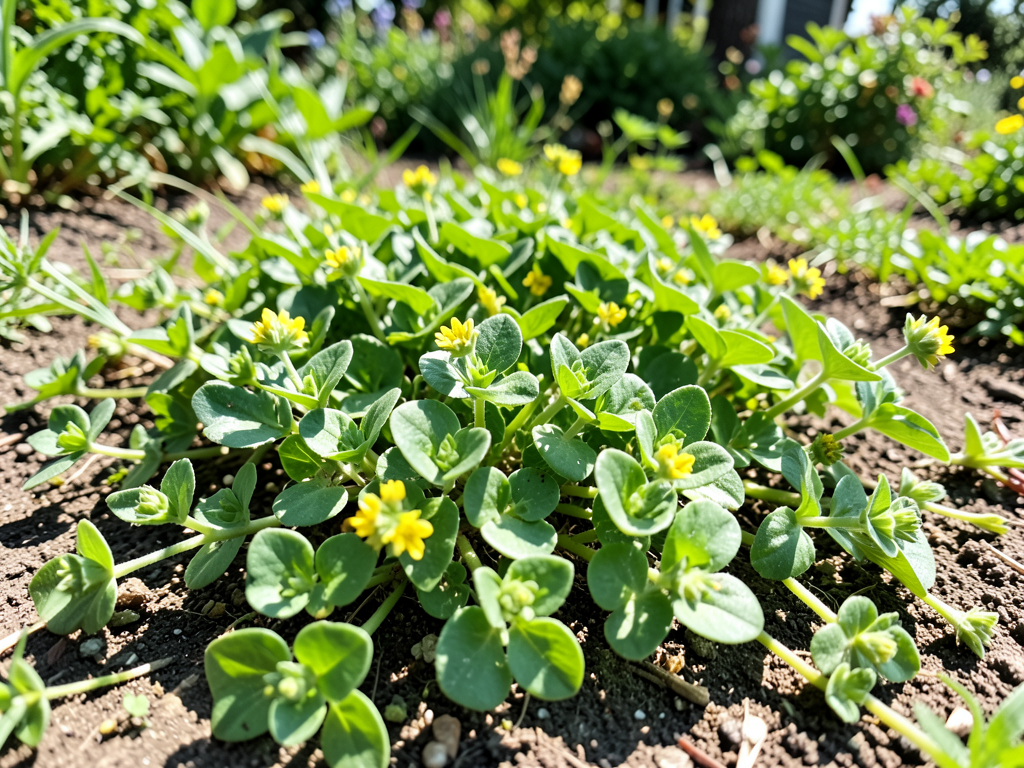
The plant is easy to recognize once you know what to look for:
- Leaves: Thick, fleshy, paddle-shaped, about the size of your pinky nail. Smooth and succulent, arranged in small clusters along the stems.
- Stems: Reddish-purple, thick, prostrate (sprawling along the ground), branching freely. Snap one open and you’ll see it’s filled with clear, watery sap.
- Flowers: Tiny, bright yellow, with five petals. They open only in the morning when the sun is strong, typically from late spring through early fall.
- Seeds: Tiny black seeds form in small pods after flowering. A single plant can produce tens of thousands of seeds — which explains why it’s so hard to get rid of once it shows up.
Lookalike Warning: Spurge
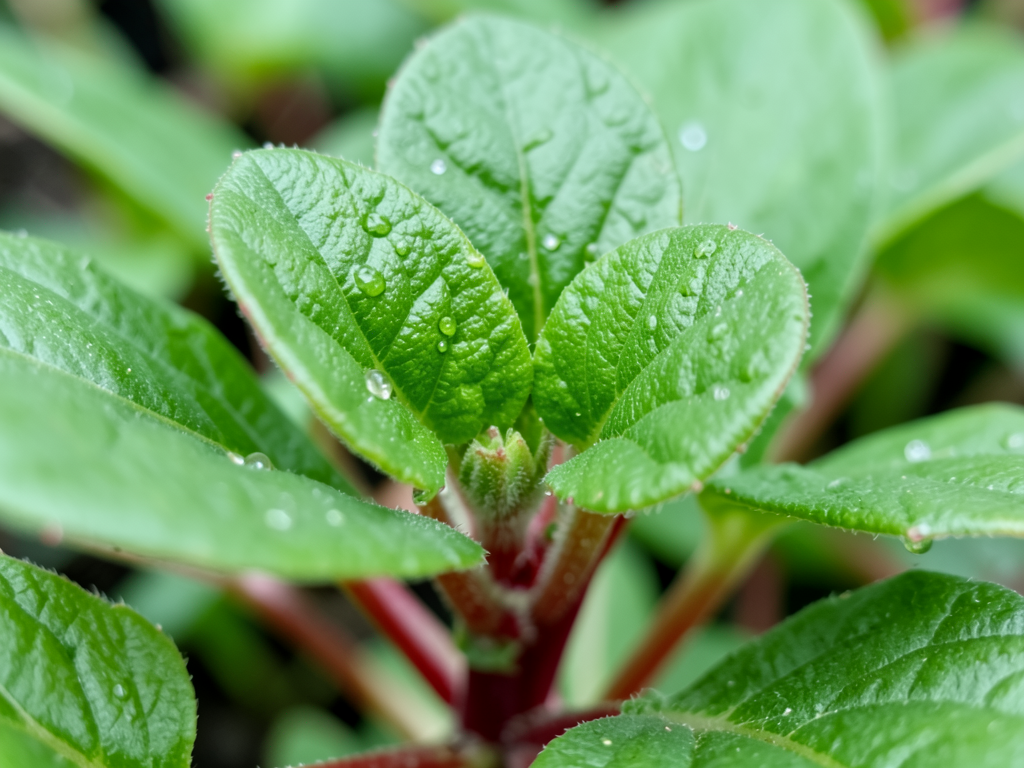
There’s one plant you absolutely need to distinguish from purslane: spotted spurge (Euphorbia maculata). Spurge is toxic and can cause skin irritation and digestive distress.
Here’s how to tell them apart instantly:
| Feature | Purslane | Spotted Spurge |
|---|---|---|
| Stem sap | Clear, watery | White, milky |
| Leaf shape | Thick, fleshy, paddle-shaped | Thin, flat, often with a red spot in the center |
| Stem | Thick, reddish, succulent | Thin, wiry, hairy |
| Growth habit | Prostrate but substantial | Very flat to the ground, mat-forming |
The sap test never fails. Break the stem. If the sap is white and milky, do not eat it. If it’s clear and watery like aloe, you’ve got purslane.
Purslane Nutritional Profile
This is where things get genuinely impressive. Purslane’s nutritional density is off the charts for something most people call a weed.
Omega-3 Fatty Acids
Purslane contains more alpha-linolenic acid (ALA), the plant-based omega-3 fatty acid, than any other leafy green vegetable. We’re talking 300-400 mg of ALA per 100 grams of fresh leaves.
To put that in perspective: spinach has about 89 mg per 100 grams. Kale has around 180 mg. Purslane has 4-5 times more than most leafy greens.
What makes this particularly noteworthy is that purslane achieves this without the fishy aftertaste or ethical concerns of animal-based omega-3 sources. For anyone on a plant-based diet looking to boost their omega-3 intake without supplements, purslane is one of the best options growing in nature.
Vitamin A (as Beta-Carotene)
Purslane is exceptionally rich in beta-carotene, which your body converts to vitamin A. A 100-gram serving provides roughly 1,320 IU of vitamin A — that’s about 44% of your daily recommended intake from a single handful of leaves.
Vitamin A supports:
- Eye health and night vision
- Immune system function
- Skin cell regeneration
- Mucous membrane integrity (your first line of defense against pathogens)
Vitamin C
Fresh purslane leaves contain 21-26 mg of vitamin C per 100 grams. That’s about 25-30% of your daily requirement. Vitamin C in purslane comes packaged with flavonoids that enhance its absorption, making it more bioavailable than isolated supplements.
Vitamin E and Glutathione
Here’s something most purslane articles don’t mention: purslane contains unusually high levels of alpha-tocopherol (vitamin E) and glutathione — two of your body’s most important antioxidants. Glutathione is your liver’s primary detoxification molecule, and dietary glutathione from fresh plants is one of the few direct sources humans can absorb.
Minerals
Per 100 grams of fresh purslane:
| Mineral | Amount | % Daily Value |
|---|---|---|
| Potassium | 494 mg | 14% |
| Magnesium | 68 mg | 17% |
| Calcium | 65 mg | 7% |
| Iron | 2.0 mg | 11% |
| Phosphorus | 44 mg | 6% |
The potassium content is particularly notable — nearly 500 mg per 100 grams, which is higher than bananas proportionally when you account for the water weight difference.
Melatonin
Yes, purslane contains melatonin — the sleep-regulating hormone. While the amounts are modest compared to supplements, regular dietary intake of melatonin-rich foods has been associated with better sleep quality in observational studies.
Complete Nutritional Snapshot
A 100-gram (3.5 oz) serving of raw purslane provides:
- Calories: 16-20
- Protein: 1.3-2.0 g
- Carbohydrates: 3.4 g
- Fiber: 0.8-1.0 g
- Fat: 0.1-0.4 g (but rich in omega-3)
- Water: 92-93%
It’s basically a nutrition-packed, zero-calorie-burden food. You can add it generously to meals without impacting your macros in any meaningful way.
10 Science-Backed Health Benefits of Purslane
1. Cardiovascular Protection
The omega-3 fatty acids in purslane help reduce inflammation in blood vessels, which is one of the primary drivers of atherosclerosis and heart disease. Several animal studies have demonstrated that purslane extract can lower LDL cholesterol and triglycerides while raising HDL.
A 2014 study published in the Journal of Medicinal Food found that adolescents with dyslipidemia who consumed purslane seeds showed significant reductions in LDL cholesterol and total cholesterol compared to the control group.
2. Blood Sugar Regulation
Purslane has demonstrated hypoglycemic effects in multiple studies. The mechanism appears to involve improved insulin sensitivity and slowed carbohydrate absorption due to the mucilaginous fiber in the leaves.
A study in the Journal of Ethnopharmacology showed that purslane extract reduced fasting blood glucose in type 2 diabetic rats by 24-30% over four weeks. Human studies are more limited but point in the same direction.
Practical note: If you’re on diabetes medication, consult your doctor before adding large amounts of purslane to your diet. The combined effect could potentially drop your blood sugar too low.
3. Antioxidant Powerhouse
Purslane contains a remarkable antioxidant profile:
- Glutathione: The master antioxidant; crucial for liver detoxification
- Beta-carotene: Precursor to vitamin A; protects cell membranes
- Vitamin E (alpha-tocopherol): Fat-soluble antioxidant that protects lipids from oxidation
- Vitamin C: Water-soluble antioxidant that regenerates vitamin E
- Betacyanins and betaxanthins: The red and yellow pigments in purslane stems are potent antioxidants in their own right
- Flavonoids: Including kaempferol, quercetin, and apigenin
The combination of water-soluble and fat-soluble antioxidants working together is part of what makes whole purslane more effective than isolated supplements. Synergy matters.
4. Anti-Inflammatory Properties
Chronic low-grade inflammation underlies nearly every modern chronic disease — heart disease, diabetes, arthritis, Alzheimer’s, and even depression. Purslane attacks inflammation from multiple angles:
- Omega-3s directly reduce production of pro-inflammatory cytokines
- Vitamin E protects cell membranes from oxidative damage that triggers inflammation
- Flavonoids inhibit COX-2 enzymes (the same target as many anti-inflammatory drugs, but without the stomach damage)
5. Liver Protection
The glutathione content in purslane deserves special attention. Your liver uses glutathione to neutralize toxins, process medications, and metabolize alcohol. Eating glutathione-rich raw foods provides direct dietary support for your liver’s detoxification pathways.
One animal study found that purslane extract reduced markers of liver damage (ALT and AST enzymes) by over 40% in rats exposed to a liver toxin. The researchers attributed the protective effect primarily to glutathione and flavonoids.
6. Skin Health and Wound Healing
Purslane has been used topically for centuries to treat skin conditions. Modern research validates this traditional use:
- The high vitamin A content supports skin cell turnover and repair
- Vitamin C is essential for collagen synthesis
- The mucilage (the slippery juice inside the leaves) creates a protective barrier on irritated skin
- Antimicrobial compounds in purslane help prevent wound infections
In Traditional Chinese Medicine, purslane is classified as a “cooling” herb used to treat skin eruptions, eczema, and insect bites.
7. Bone Health Support
Purslane provides a combination of calcium, magnesium, and phosphorus — the three minerals that form the structural matrix of bone. While you’re not going to meet your calcium needs from purslane alone (you’d need to eat a lot), it contributes as part of a diverse diet.
Raw purslane provides calcium with the advantage of also being rich in magnesium, which helps direct calcium into bones rather than soft tissue. This mineral partnership is often missing in calcium supplements.
8. Neuroprotection
The omega-3 fatty acid DHA — which your body can synthesize from the ALA in purslane — is a critical structural component of brain cell membranes. Higher dietary intake of omega-3s is consistently associated with reduced risk of cognitive decline.
Purslane’s antioxidants also protect brain cells from oxidative stress, which is believed to be a contributor to neurodegenerative conditions. The combination of omega-3s, vitamin E, and flavonoids creates a neuroprotective package.
9. Digestive Health
The mucilaginous fiber in purslane acts as a prebiotic — feeding beneficial gut bacteria — while also soothing the digestive tract lining. The slightly astringent quality of purslane can help with mild diarrhea, while the fiber helps regulate bowel movements.
In many traditional medicine systems, purslane is used specifically for gastrointestinal complaints, from stomach ulcers to dysentery.
10. Hydration and Electrolyte Balance
At 92-93% water with 494 mg of potassium per 100 grams, purslane is essentially a natural electrolyte drink in solid form. During hot summer months when you’re losing potassium through sweat, eating purslane can help replenish what you’re losing — more effectively and with better nutrient cofactors than a sports drink.
How to Eat Purslane
The good news: purslane requires almost no preparation. The bad news: if you cook it wrong, it turns slimy. Here’s how to do it right.
Raw
Purslane shines raw. The leaves and tender stems have a crisp, succulent texture and a pleasant lemony-saline flavor. Add them to:
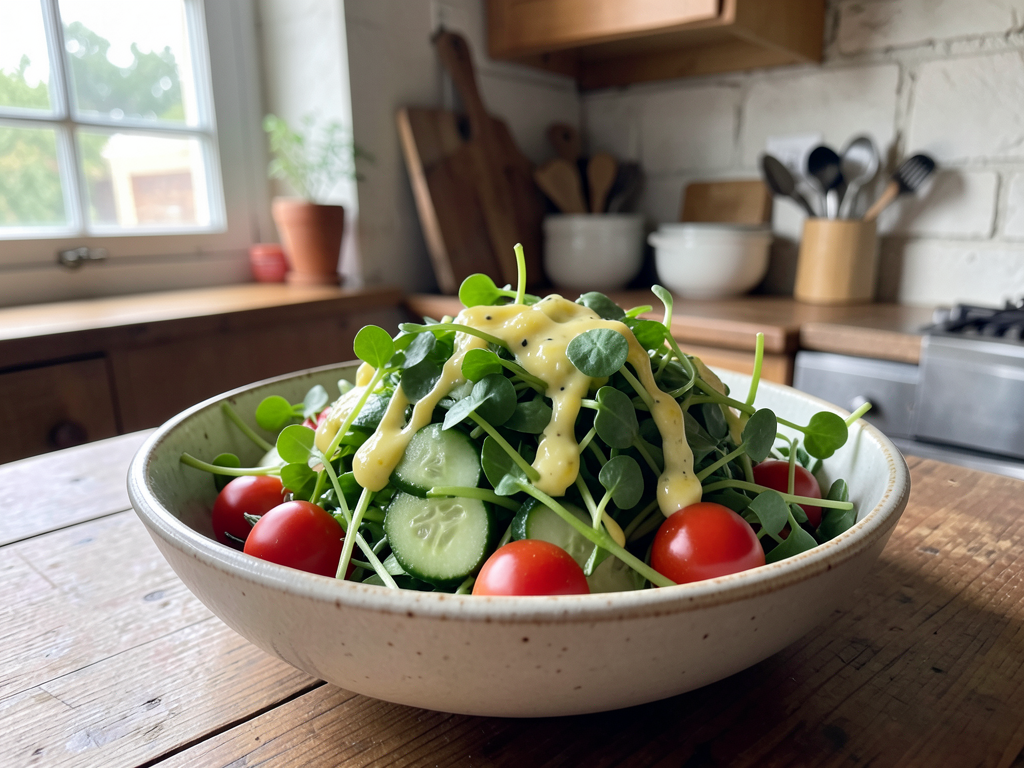
- Salads: Toss a handful of purslane into any green salad. It pairs exceptionally well with cucumber, tomato, red onion, and a simple lemon-olive oil dressing.
- Sandwiches and wraps: Use purslane as you would use lettuce or sprouts — adds crunch and nutrition.
- Smoothies: A handful of purslane in a green smoothie is virtually undetectable in taste but adds significant omega-3s and minerals.
- Tacos: In Mexican cuisine, purslane is often used raw as a topping for tacos alongside cilantro, onion, and salsa.
Cooked
Purslane’s high pectin content means it thickens anything it’s cooked in — great for stews, less great if you’re expecting it to stay crisp.
- Quick sauté: 30-60 seconds in a hot pan with garlic and olive oil. That’s it. Any longer and the mucilage takes over.
- Soups and stews: Add purslane in the last 2-3 minutes of cooking. It’ll thicken the broth slightly and add a pleasant tang.
- Stir-fried: Toss it into a stir-fry at the very end, the same way you’d treat spinach. It wilts almost instantly.
- Pickled: In many Middle Eastern cuisines, purslane stems are pickled in brine and used as a condiment. Excellent with grilled meats.
Purslane Recipes Worth Trying
Simple Turkish Purslane Salad (Yoğurtlu Semizotu)
- 2 cups fresh purslane, roughly chopped
- 1 cup thick yogurt
- 1 clove garlic, minced
- Salt and black pepper
- Drizzle of olive oil
Mix everything together. That’s it. The yogurt balances purslane’s slight tartness perfectly. This is a legitimate everyday dish in Turkey, not a “survival food” novelty.
Mexican Purslane with Pork (Verdolagas con Cerdo)
- 1 lb pork shoulder, cubed
- 3 cups purslane, thick stems removed
- 1 onion, diced
- 2 cloves garlic
- 4 tomatillos, husked and quartered
- 1 jalapeño (optional)
- Salt and cumin
Brown the pork, add onion and garlic, then add tomatillos and a cup of water. Simmer for 45 minutes until the pork is tender. Stir in purslane during the last 3 minutes. Serve with warm tortillas.
Foraging and Harvesting Tips
Where to Find Purslane
Purslane is a cosmopolitan weed — it grows on every continent except Antarctica. Look for it:
- In vegetable gardens (it loves the same conditions as crops)
- Cracks in sidewalks and driveways
- Agricultural field edges
- Vacant lots and disturbed soil
- Gravel paths and parking lot margins
Peak season in the Northern Hemisphere is June through September, though in warmer climates it can appear as early as April and persist into November.
How to Harvest
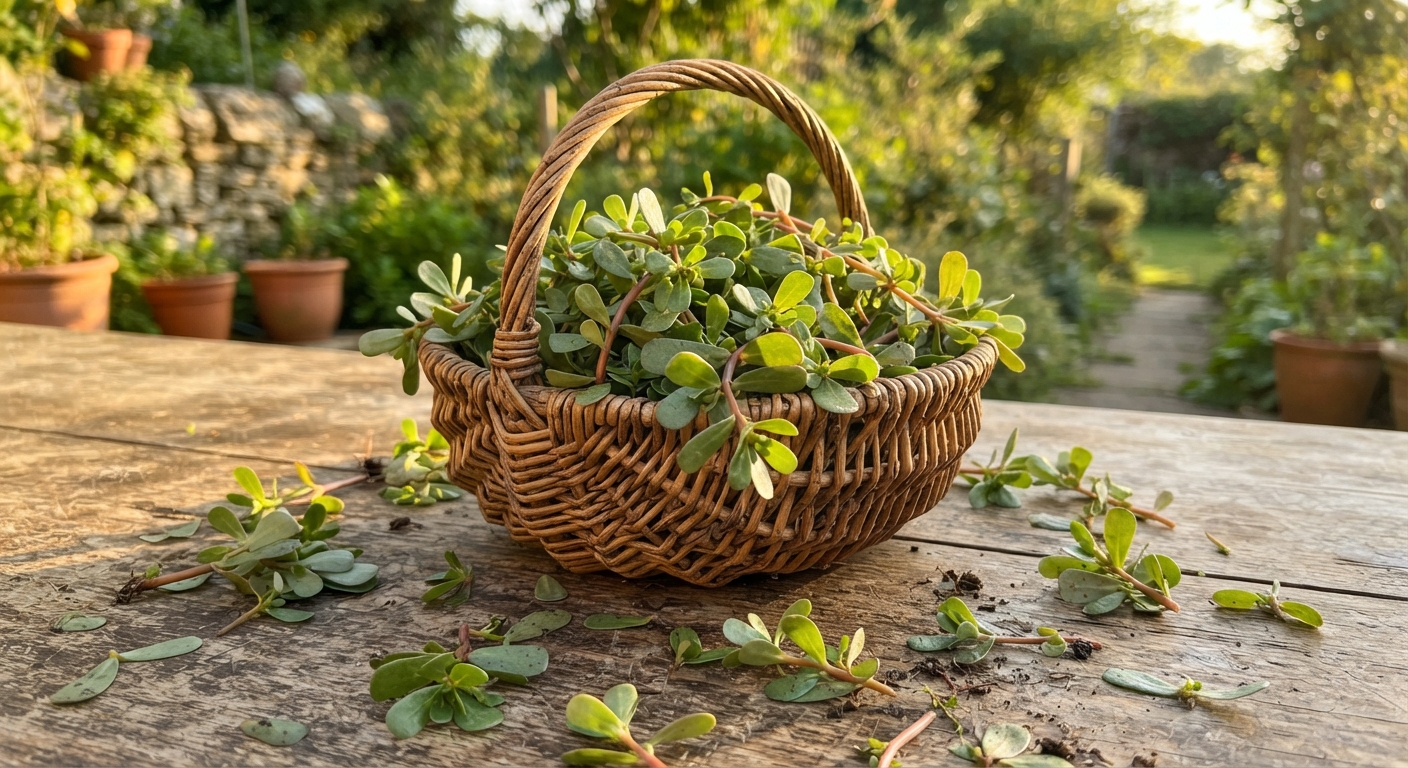
- Choose clean locations. Avoid plants growing by roadsides (exhaust residue), in industrial areas, or where pesticides may have been sprayed. Home gardens and organic farms are ideal.
- Pick young growth. The tender top 2-4 inches of each stem are the best eating. Older stems become tough and fibrous.
- Use scissors or pinch. You can pinch stems off with your fingers, but clean scissors give a neater cut and help the plant regrow.
- Harvest in the morning. Like most succulents, purslane has the highest water content and crispest texture early in the day before the sun heats up.
- Leave the roots. Purslane regrows from cut stems. If you leave the roots in the ground, you’ll get multiple harvests from the same plant throughout the season.
Storage
Fresh purslane keeps surprisingly well compared to other leafy greens:
- Refrigerator: Wrap unwashed purslane in a slightly damp paper towel, place in a loosely sealed plastic bag, and store in the crisper drawer. It’ll stay fresh for 5-7 days.
- Do not wash before storing. Moisture accelerates decay. Wash just before eating.
- Freezing: Purslane can be blanched (30 seconds in boiling water, then ice bath) and frozen. The texture changes significantly but it’s fine for cooked dishes and smoothies.
Frequently Asked Questions
Is purslane safe to eat every day?
Yes, purslane is safe for daily consumption as part of a varied diet. It’s been a staple vegetable in Mediterranean, Middle Eastern, and Asian cuisines for millennia. The one caution: purslane contains oxalates (like spinach and chard), so if you’re prone to calcium oxalate kidney stones, eat it in moderation rather than in very large quantities daily.
Does purslane really have more omega-3 than fish?
No — this is a common exaggeration you’ll see online. Fish contains pre-formed EPA and DHA. Purslane contains ALA, which your body must convert. The conversion rate is low (roughly 5-10% for EPA, even less for DHA). What’s true is that purslane has more ALA than any other common leafy green — but it doesn’t replace fish or algae oil for direct EPA/DHA intake.
Can I eat purslane from my yard?
Yes, if you’re certain of three things: (1) it’s actually purslane and not spurge (check the sap — clear, not white), (2) no pesticides or herbicides have been applied to the area, and (3) it’s not growing next to a busy road where exhaust particulates settle on the leaves.
Does cooking destroy purslane’s nutrients?
Cooking reduces vitamin C content (as it does with all vegetables), but the omega-3s and minerals are heat-stable. Short cooking times (under 3 minutes) preserve most nutrients while making some antioxidants more bioavailable. Raw is nutritionally superior overall, but don’t let perfectionism stop you — cooked purslane is still incredibly nutritious.
What does purslane taste like?
Mildly lemony with a hint of saltiness and a crisp, succulent texture. The closest comparisons would be watercress or lamb’s lettuce (mâche), but with more body and a distinct tart note. It’s rarely bitter — if your purslane is bitter, it’s probably too old or stressed from extreme heat.
Can purslane help with weight loss?
Indirectly, yes. Purslane is extremely low in calories (16-20 per 100g), high in water and fiber (which promote satiety), and rich in nutrients that support metabolic health. Substituting purslane for higher-calorie ingredients in salads and cooked dishes is a valid calorie-reduction strategy. But purslane itself is not a “fat burner” — no food is.
Is purslane good for high blood pressure?
The potassium content (494 mg per 100g) combined with low sodium makes purslane supportive of healthy blood pressure. Potassium helps counterbalance sodium’s effects and relaxes blood vessel walls. Purslane’s omega-3s may also contribute to vascular health, though the effect would be modest from dietary amounts alone.
One Thing Most Guides Won’t Tell You
Here’s something I learned the hard way: purslane’s flavor varies dramatically depending on when you harvest it.
Morning-harvested purslane, especially on a day after rain or watering, is crisp, tart, and refreshing — almost like a botanical lemonade. But purslane harvested in the late afternoon during a heat wave? It can be overly tart, almost astringent, and the stems get stringy.
The difference is in the plant’s crassulacean acid metabolism (CAM) — a fancy term for how succulents manage their biochemistry. Overnight, purslane stores malic acid, which gives it that pleasant tartness. During hot days, it metabolizes those acids, changing the flavor profile.
The fix: If you harvest purslane in the afternoon, soak it in cold water for 15-20 minutes. The leaves rehydrate, the flavor mellows, and the crispness returns. A friend who runs a small organic farm in California taught me this trick, and it genuinely transformed my relationship with this plant. No more avoiding afternoon harvests.
Purslane vs. Common Superfoods
How does purslane stack up against the hyped superfoods you’re paying good money for?
| Nutrient | Purslane (100g raw) | Kale (100g raw) | Spinach (100g raw) |
|---|---|---|---|
| Omega-3 (ALA) | 300-400 mg | 180 mg | 89 mg |
| Vitamin A | 1,320 IU | 9,990 IU | 9,377 IU |
| Vitamin C | 21 mg | 120 mg | 28 mg |
| Vitamin E | 12.2 mg | 1.5 mg | 2.0 mg |
| Potassium | 494 mg | 491 mg | 558 mg |
| Magnesium | 68 mg | 47 mg | 79 mg |
| Calcium | 65 mg | 150 mg | 99 mg |
Purslane doesn’t dominate every category, but it wins decisively on omega-3s and vitamin E — two nutrients most people don’t get enough of. And unlike kale and spinach, which you have to buy, purslane is likely already growing somewhere near you for free.
Bringing It All Together
Purslane isn’t going to cure cancer or make you live to 120. No single food does that.
What it will do is add a meaningful nutritional boost to your diet — one that’s free, abundant, and genuinely tasty if you know how to prepare it. A handful of purslane in your salad adds more omega-3s than a tablespoon of flax seeds. A side of sautéed purslane with dinner adds potassium comparable to half a banana, plus antioxidants you won’t find in a pill.
The plant world is full of surprises, but few are as accessible and nutritionally complete as this humble weed. It’s been feeding humans for thousands of years across dozens of cultures, and it’s ready to feed you too — probably in your own backyard.
Next time you see those fleshy green leaves with the reddish stems creeping across your garden, don’t reach for the weeding fork.
Reach for a salad bowl instead.