Foraging Mistakes That Get People Sick: The 9 to Avoid
Poison control centers get a predictable batch of calls every spring and summer. The details change — one person ate a “wild carrot” that wasn’t, another snacked on “blueberries” that definitely weren’t — but the root cause is almost always the same handful of mistakes. People don’t get sick from foraging because wild food is inherently dangerous. They get sick because they skipped a step, trusted one feature, or grabbed something that looked close enough.
The good news: nearly all of these mistakes are avoidable, and they’re easy to spot once you know what you’re looking at. This guide ranks the nine that cause the most poisonings, from the genuinely lethal to the just-miserable, and gives you the exact fix for each one. Skim the table if you’re in a hurry; read the sections for the details that could save you a hospital trip.
Why “Close Enough” Is the Whole Problem
Foraging has a uniquely unforgiving failure mode. If you misidentify a mushroom, there’s no second chance built into the system — you don’t get a warning before the first bite, and by the time symptoms show up, the toxin is already in your bloodstream. Cooking doesn’t fix it. Boiling doesn’t fix it. In some cases, nothing fixes it.
That’s different from almost every other outdoor skill. Misjudge a river crossing and you get wet. Misjudge a wild plant and you get organ damage. The margin for error is essentially zero, which is why every mistake on this list circles back to the same theme: identification is the whole job. Everything else — harvesting, washing, cooking — is secondary.
Keep that in mind as we go through the list. These aren’t nine separate dangers. They’re nine ways to fail at the one thing that matters.
The Danger Table: What Each Mistake Actually Does
Here’s the quick-reference version. The “result” column is what happens when this mistake goes wrong, not the worst case every single time.
| Mistake | What Actually Happens | Severity | The One Fix |
|---|---|---|---|
| Eating a toxic lookalike | Organ failure, seizures, death | Fatal | Confirm 3+ features, not 1 |
| Trusting a single ID feature | Wrong plant passes the check | Fatal | Never ID off one trait |
| Skipping the taste test | Unknown plant goes straight down | High | Use the universal edibility test |
| Eating berries that “looked like” blueberries | Digestive or cardiac toxicity | High | Know the toxic berry list cold |
| Foraging near roads or sprayed areas | Heavy metals, herbicide residue | Medium | Harvest 30+ ft from roads |
| Eating plants raw that need cooking | Oxalates, lectins, sting | Medium | Cook nettles, greens properly |
| Assuming “animals eat it, so I can” | Species-specific toxicity | High | Humans are not the reference |
| Grazing without washing | Parasites, animal waste | Low | Wash everything you pick |
| Trying wild mushrooms solo | Amatoxin poisoning | Fatal | Never eat mushrooms without an expert |
The Nine Mistakes, Ranked From Deadliest to Just-Miserable
1. Eating a Toxic Lookalike
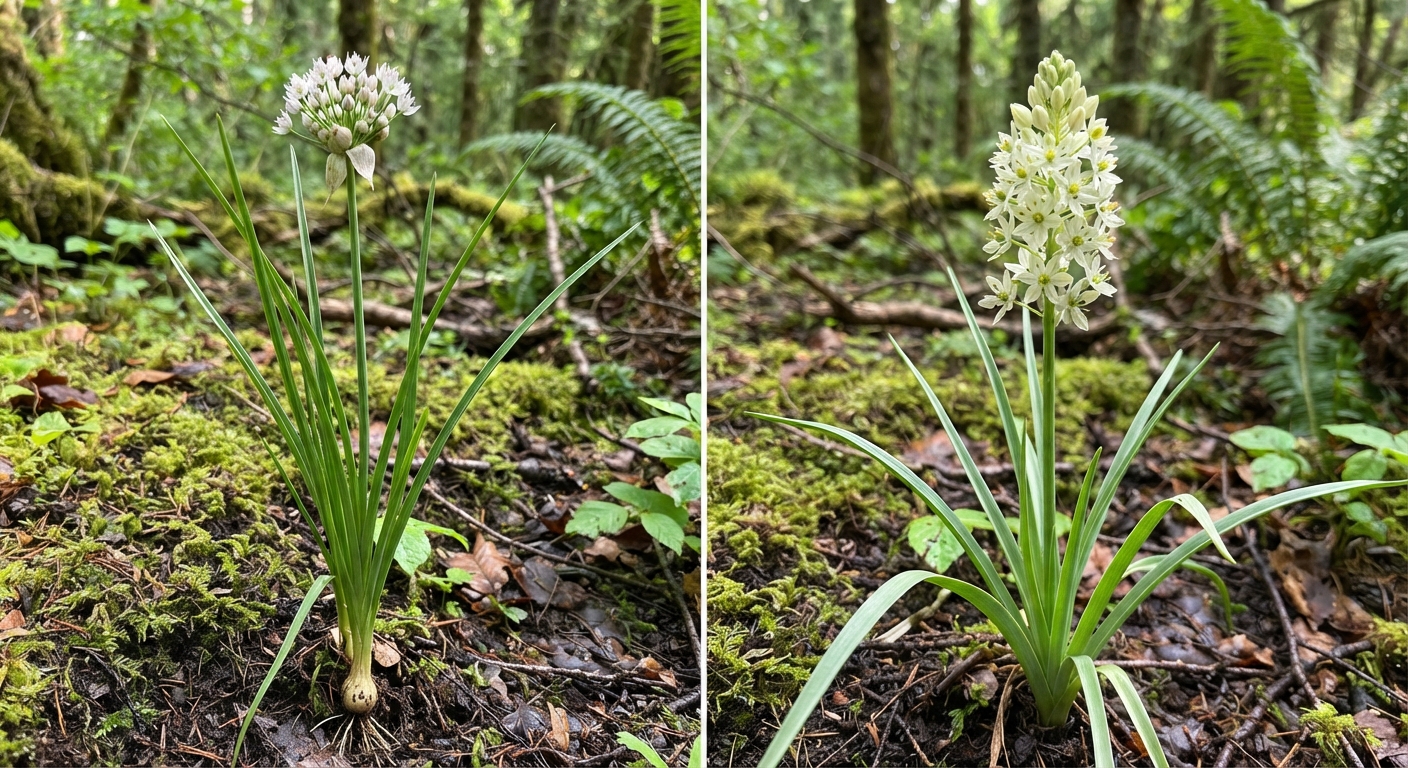
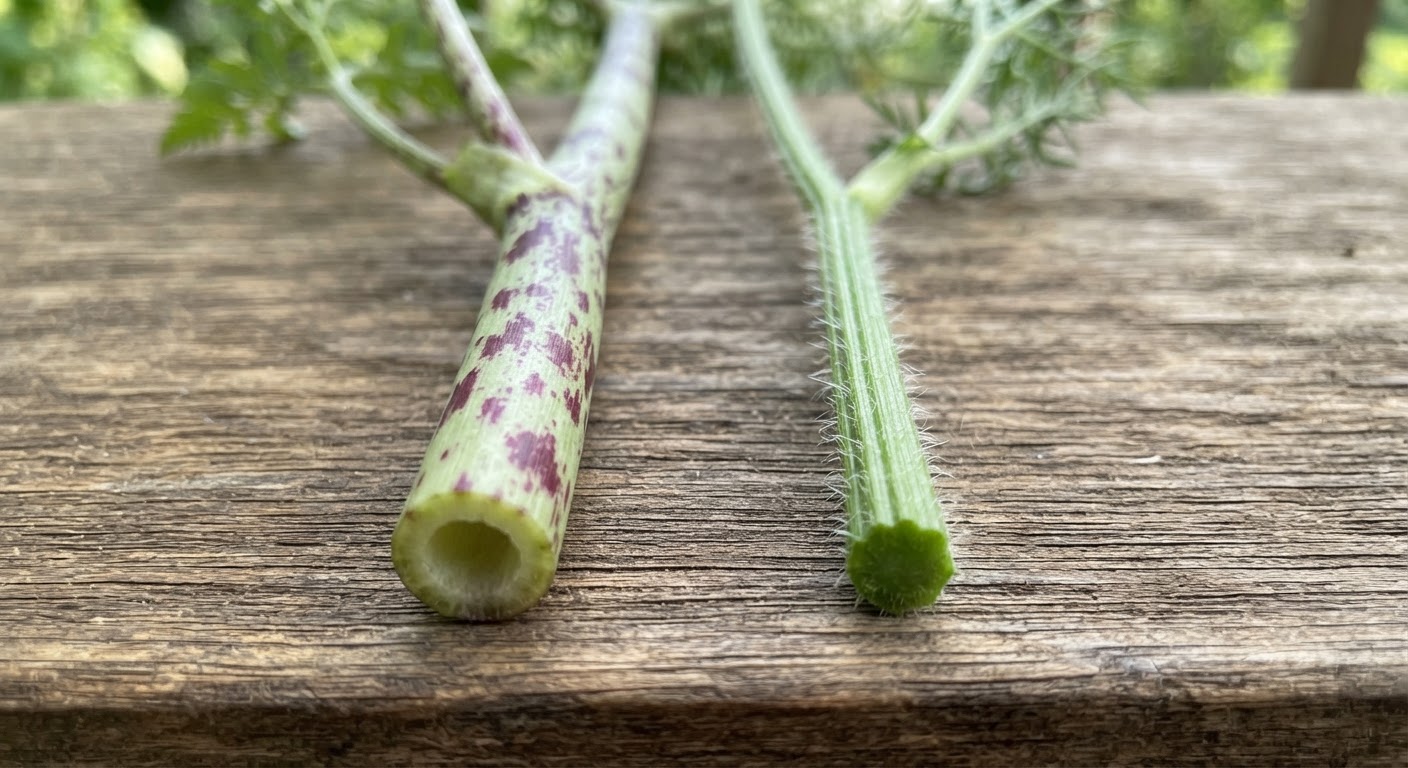
This is the big one, and it deserves the top spot because it’s how most serious poisonings happen. Poison hemlock (Conium maculatum) looks enough like wild carrot and wild parsnip that people pull it, smell the “carrot-like” root, and cook it. Water hemlock is worse — it’s been called the most violently toxic plant in North America, and a small piece of the root is enough to kill an adult.
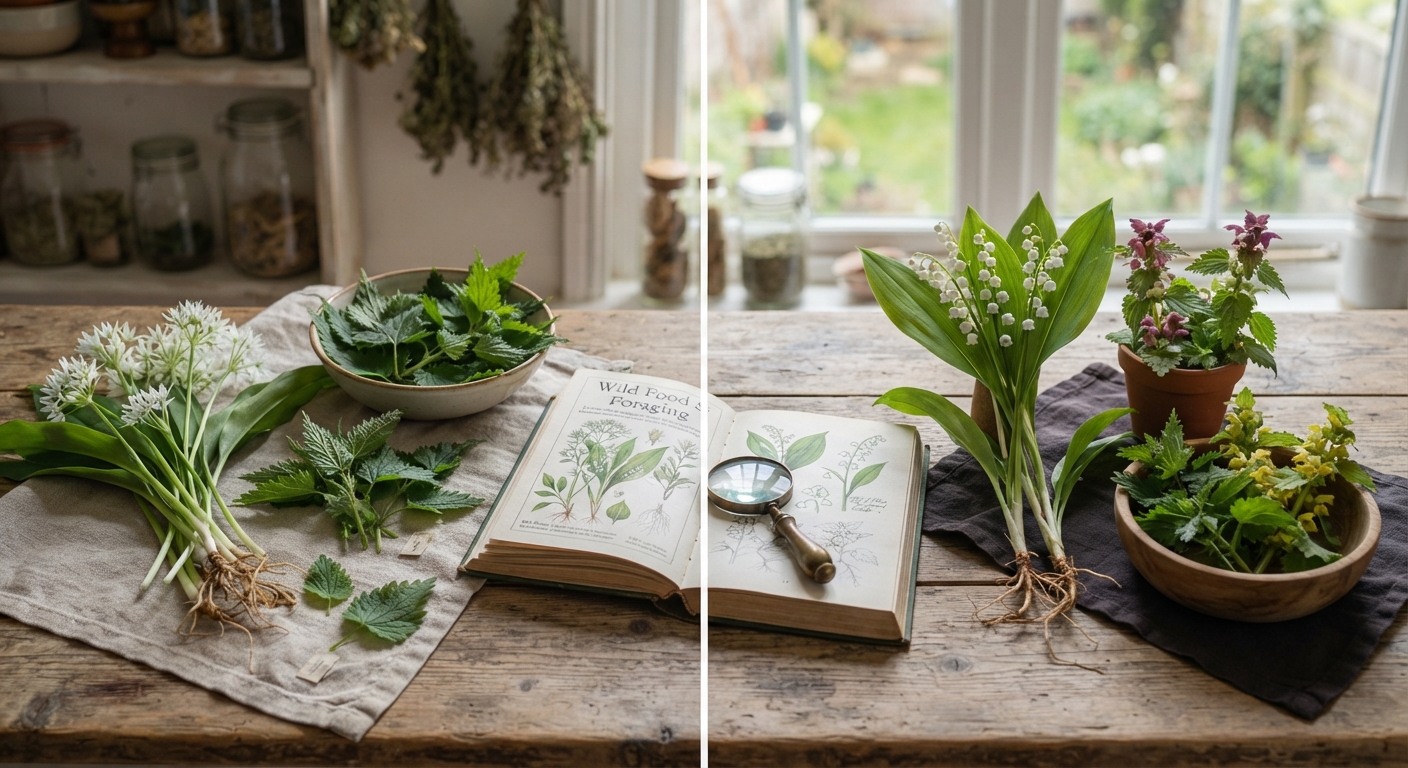
The plants share a family resemblance on purpose. That’s the trap. Lookalikes aren’t coincidental; many edible plants and their toxic twins grow in the same ditches and disturbed soil, so you’ll find them side by side.
The fix: Never identify a plant off a single feature. For the carrot family specifically, learn the hemlock tells — purple blotches on a smooth, hollow stem, no hairs on the stem, and an unpleasant smell when crushed. Wild carrot has a hairy, solid green stem and smells unmistakably like carrot. If you can’t confidently separate the two, leave the whole family alone. It’s the one plant group where “close enough” is a coin flip you don’t want to take.
2. Trusting a Single Identification Feature
A single feature — one leaf shape, one flower color, one berry color — is how people talk themselves into a bad ID. “It has five petals, it must be…” is the mental shortcut that precedes a lot of hospital visits. Every plant has lookalikes that share at least one feature, because that’s how plant families work.
Professional foragers use what’s called a positive identification, which means matching the plant across multiple independent traits at once: leaf arrangement, stem texture, flower structure, fruit, habitat, season, and smell. If even one feature doesn’t line up, the ID fails.
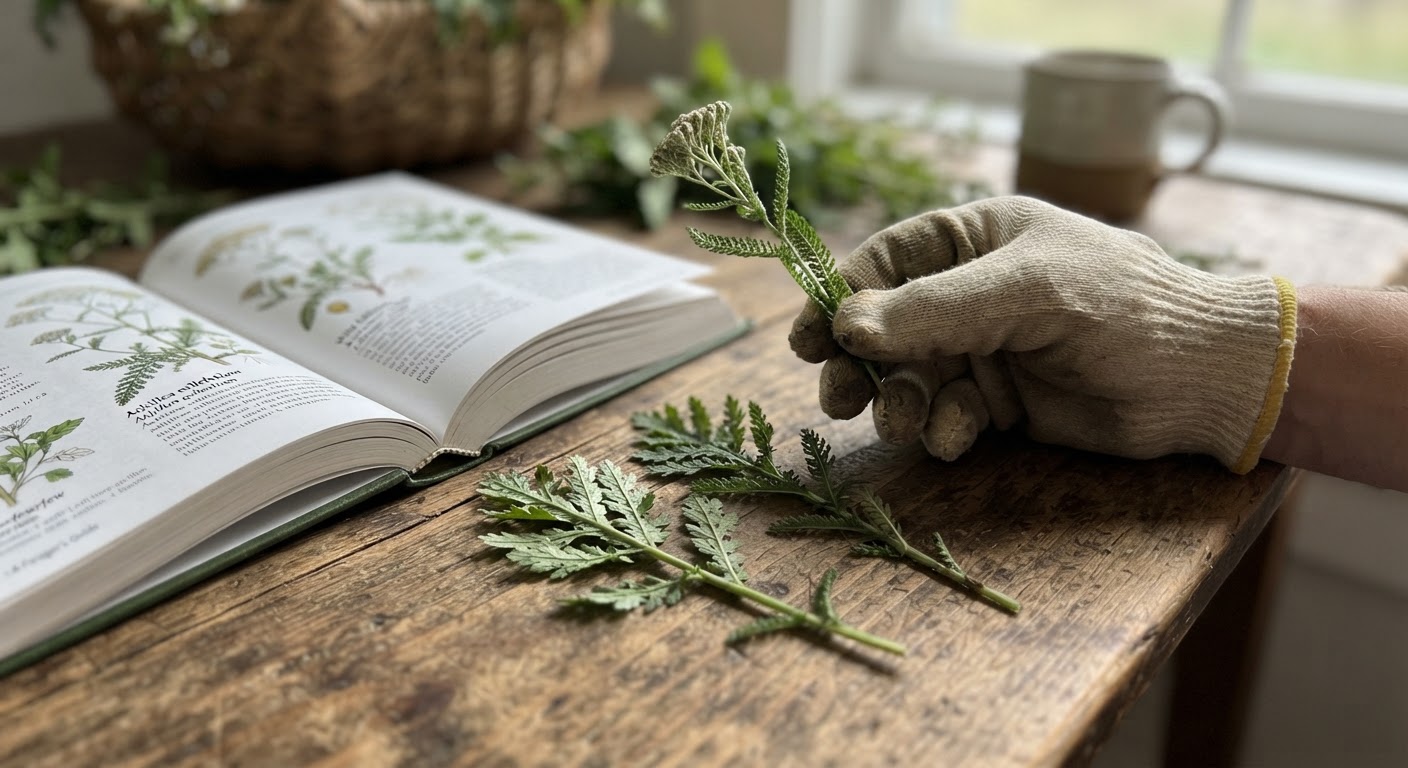
The fix: Build a checklist of at least three features before you even consider harvesting, and use a field guide or an identification app as a cross-check, not as the final word. A photo match that shows the same leaf but ignores the stem and fruit is exactly the single-feature trap in a prettier package.
3. Skipping the Taste Test on an Unfamiliar Plant
There’s a right way to test an unknown plant, and there’s the way people actually do it: nibble a leaf, wait five seconds, and decide it’s fine. That’s not a test, that’s a gamble.
The universal edibility test is a slow, methodical protocol — separate the plant into parts, test one part at a time, touch it to your lip, then your tongue, then hold it in your mouth, then swallow a small amount, waiting hours between each stage. It’s tedious by design, because it’s meant to be a last resort in a genuine survival situation, not a shortcut for casual foraging.
The fix: Use the universal edibility test only when you have no other option. For everyday foraging, skip the taste test entirely and rely on confident positive identification instead. A plant you can’t name is a plant you don’t eat — full stop.
4. Eating Berries That “Looked Like” Blueberries
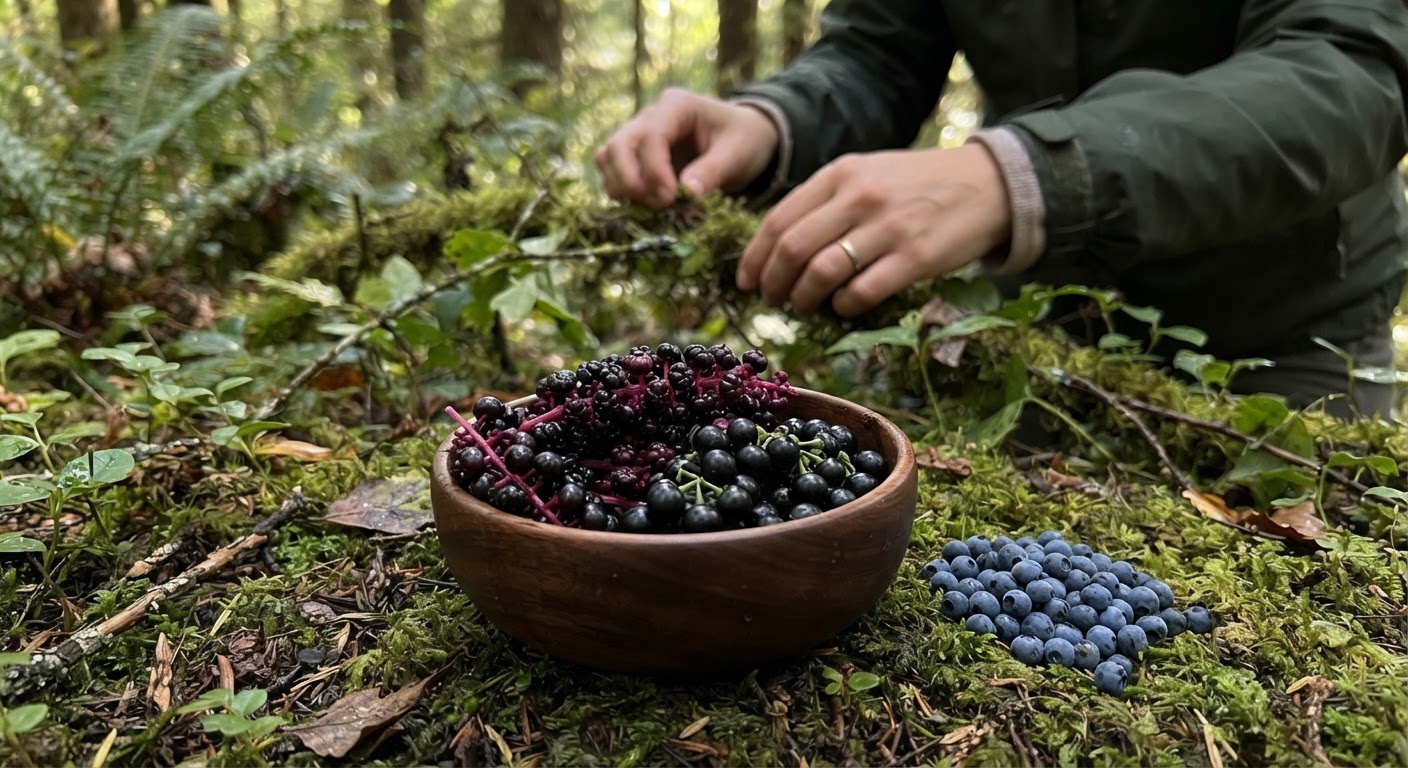
Berries are the most common poisoning vector for beginners, for a simple reason: small, dark, round fruit all starts to look the same when you’re hungry and optimistic. Pokeweed berries are dark purple and grow in clusters that can pass for grapes to an untrained eye. Deadly nightshade produces glossy black berries that look snackable. Even unripe elderberries can make you sick if eaten raw in quantity.
The dangerous part is that “it looked like a blueberry” often comes with a confident taste memory — you’re matching it to something you’ve eaten before, not something you’ve actually identified.
The fix: Memorize the toxic berry list before you memorize the edible one. Pokeweed, nightshade, yew, holly, and baneberry are the five you must know cold. Then apply a hard rule: no berry gets eaten unless you can name the exact plant it came from. “It’s some kind of berry” is the sentence that precedes the ER visit.
5. Foraging Near Roads or Sprayed Areas
This one won’t send you to the hospital the same day, but it’s still a genuine mistake that makes people sick over time. Plants growing in road ditches and along fence lines absorb heavy metals from vehicle exhaust and runoff, and plants in parks, yards, and field edges are frequently treated with herbicides you can’t see and can’t wash off.
A patch of “perfect” dandelion greens next to a highway off-ramp is not a lucky find. It’s a bioaccumulation zone.
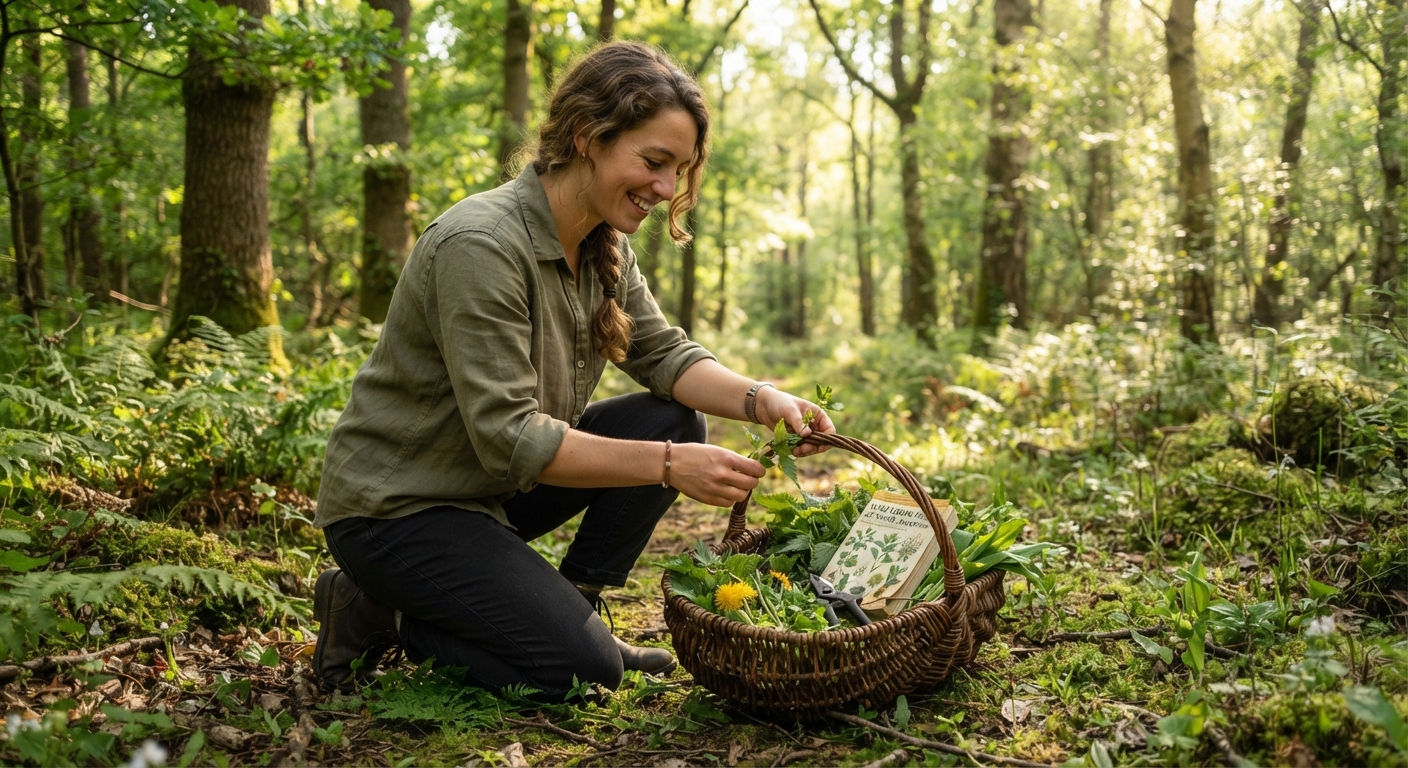
The fix: Harvest at least 30 feet back from any road, avoid anything downhill from agricultural fields or industrial sites, and steer clear of areas that look recently sprayed (wilted edges, uniform die-off, or suspiciously weed-free ground). If you don’t know whether an area is treated, assume it is.
6. Eating Plants Raw That Need Cooking
Some perfectly edible plants will make you sick if you eat them wrong. Stinging nettle is the classic — raw, it delivers a dose of formic acid and histamine that’ll have your mouth tingling and your throat uncomfortable within minutes. Cooking neutralizes it in seconds. Other greens, like amaranth and spinach-family weeds, contain oxalates that are much safer after a quick blanch. Elderberries need to be cooked before eating; raw elderberries are a known cause of nausea.
The fix: Know the preparation requirement before you harvest, not after. Nettles get blanched or sautéed. Elderberries get cooked. Acorns get leached. If a plant’s prep is a mystery to you, it’s not ready to eat.
7. Assuming “Animals Eat It, So I Can”
This logic feels sound and it fails constantly. Birds eat poison ivy berries and pokeweed berries with no problem. Deer browse on plants that would flatten a human. Animals have different digestive systems, different liver enzymes, and different tolerances, which means an animal’s menu tells you almost nothing about your own.
The reverse is just as true — plenty of things that are fine for humans are toxic to pets. The point is that the animal comparison is noise, not data.
The fix: Stop using animals as a reference at all. A plant is safe for you only when you’ve positively identified it as a known human food. Squirrels don’t write field guides, and they’re not your food safety testers.
8. Grazing Without Washing
The lowest-stakes mistake on the list, but it still makes people sick every season. Wild greens grow where animals live, and “animals” includes everything from deer to rodents to the neighbor’s dog. Parasites, animal waste, and plain old dirt ride along on anything you pick at ground level.
A handful of unwashed chickweed or wood sorrel eaten trailside is a small risk, but it’s a completely unnecessary one.
The fix: Wash everything you forage before it goes in your mouth or your pack. A water rinse removes the surface grime, and a soak in cool water with a little vinegar gets the rest. If you’re mid-hike with no water to spare, save the greens for later rather than grazing as you go.
9. Trying Wild Mushrooms Without Expert Help
Mushrooms deserve their own category because the failure mode is so much worse than plants. A mistaken plant usually gives you a warning — bitter taste, upset stomach, and you stop eating. A mistaken mushroom can taste completely normal and destroy your liver over the next three days. Amanita phalloides, the “death cap,” is responsible for the majority of fatal mushroom poisonings worldwide, and it’s described by survivors as mild-tasting.
This isn’t a “learn it from a YouTube video” skill. Edible mushrooms have genuinely lethal lookalikes, and the differences are subtle enough that even experienced pickers double-check.
The fix: Do not eat any wild mushroom you haven’t had identified by someone with real, hands-on experience — a local mycological society, a trusted expert, or years of your own confirmed practice. Until then, admire them and move on. Mushrooms are the one category where the “when in doubt, throw it out” rule has zero exceptions.
The 30-Second Safety Checklist
Run this before anything wild goes in your mouth:
- I can name the exact plant — not “a kind of,” the actual species
- I’ve confirmed at least three identifying features
- I’ve ruled out the toxic lookalikes for this plant
- It’s growing 30+ feet from roads and clear of sprayed areas
- I know the correct preparation (raw, cooked, or leached)
- It’s washed and clean
- If it’s a mushroom, an expert has confirmed it
If any box stays empty, the answer is no. There’s no shame in walking away from a plant you’re not sure about — there’s only shame in the ambulance ride that follows.
Summary Tips
- Identification beats everything. Every serious foraging poisoning traces back to a misidentification, not a preparation error.
- Learn the toxic plants first. Hemlock, water hemlock, pokeweed, nightshade, yew, holly, and baneberry should be burned into your memory before you learn a single edible.
- One feature is never enough. Match leaf, stem, flower, fruit, habitat, and smell together, or don’t eat it.
- Know the prep. Nettles, elderberries, and acorns are all great — if you cook, cook, and leach them the right way.
- Skip mushrooms until you have a mentor. It’s the one category with essentially no margin for error.
FAQ
What’s the most common foraging mistake that sends people to the hospital?
Misidentifying a toxic lookalike — most often confusing poison hemlock or water hemlock with wild carrot, or mistaking toxic berries for edible ones. It accounts for the bulk of serious poisonings.
Can cooking make a poisonous plant safe?
No. Cooking neutralizes some irritants, like nettle sting, but it does nothing to most true toxins. Hemlock, water hemlock, and deadly mushrooms stay lethal no matter how long you boil them.
How many features should I check before eating a wild plant?
At least three independent features, ideally more. Leaf arrangement, stem texture, flower structure, fruit, habitat, and smell should all line up. If any single feature doesn’t match, treat the ID as failed.
Is the universal edibility test safe?
It’s safer than guessing, but it’s slow, unpleasant, and designed as a last resort for survival scenarios. For everyday foraging, a confident positive identification is always the better path.
Why do people get sick from “edible” plants like nettles or elderberries?
Because they skipped the preparation step. Nettles must be cooked to neutralize the sting, elderberries must be cooked before eating, and acorns must be leached to remove tannins. “Edible” often comes with a preparation requirement.
Know What You’re Picking Before It Matters
Every mistake on this list comes down to the same root cause: eating something you couldn’t positively identify. When you’re hungry, tired, or just excited about a find, the urge to say “close enough” is real — and that’s exactly when the mistakes happen. The antidote isn’t more willpower. It’s a tool that makes identification fast and certain.
That’s why I built Edible Plant Identifier. Point your camera at any leaf or berry and it gives you a clear identification with lookalike warnings, so you’re not matching plants from memory or squinting at a field guide while your stomach growls. It works fully offline, which is the only place foraging actually happens. It won’t replace a human expert for mushrooms — nothing should — but for the common plants, greens, and berries, it’s the difference between guessing and knowing.