Edible Wild Vegetables: A Complete Step-by-Step Guide for First-Time Foragers
Your lawn is trying to feed you. It just hasn’t gotten your attention yet.
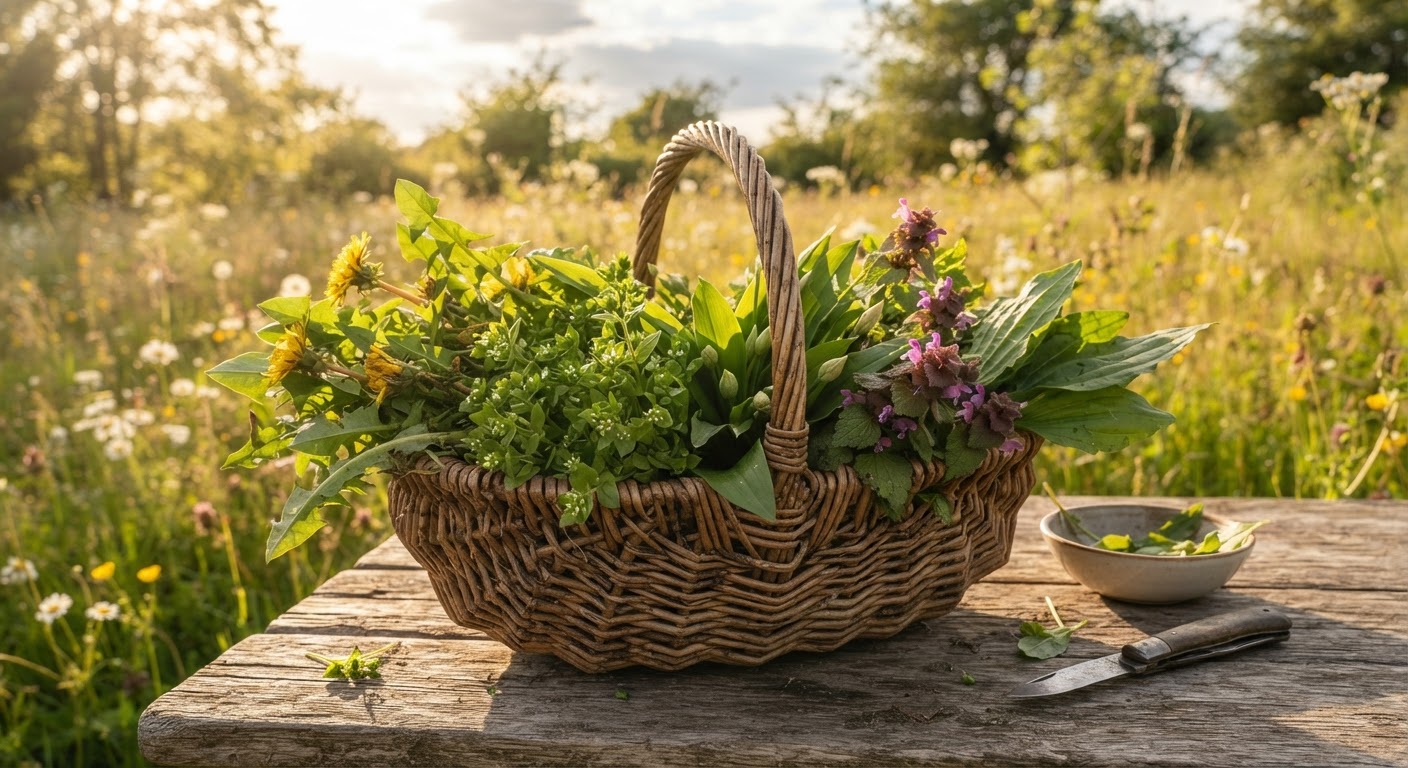
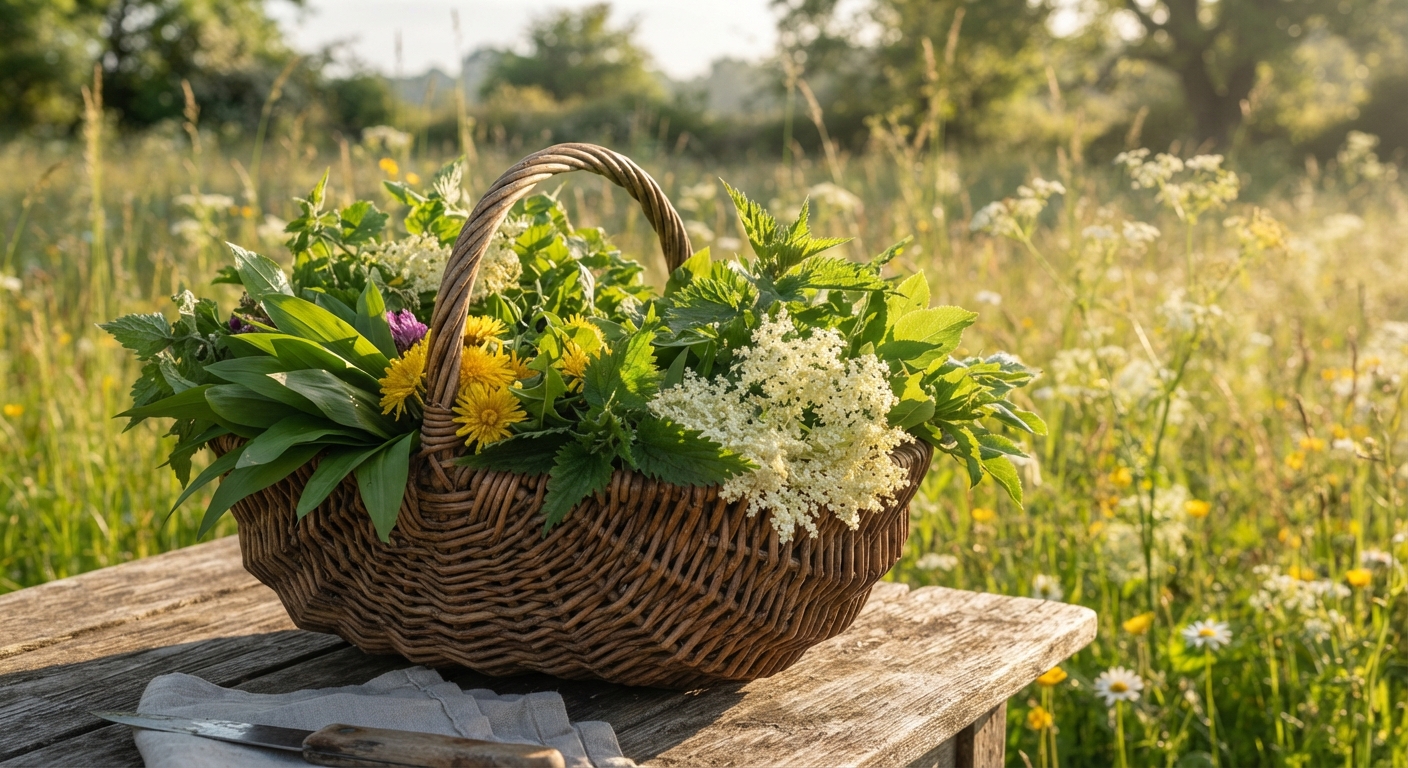
That patch of “weeds” along the fence, the scraggly greens pushing through the sidewalk crack, the leaves you’ve been pulling out of the garden bed for years — a lot of them are edible wild vegetables, and some of them are more nutritious than the lettuce wilting in your fridge. The only thing standing between you and a free salad is knowing what to look at, where to pick it, and how not to poison yourself in the process.
This guide is the walkthrough I wish someone had handed me the first spring I decided to eat my yard. I’ll take you through it the way a patient mentor would: what “edible wild vegetables” actually means, the exact steps to go from bare ground to a full bowl, the five beginner-proof greens worth learning first, and the mistakes that trip up nearly everyone in their first season. By the end, you’ll have a repeatable system — not a vague list of plant names.
What “Edible Wild Vegetables” Actually Means
Before you grab a basket, let’s get the definition straight, because it matters more than it sounds.
An edible wild vegetable is simply a leafy green — or the tender stalk, shoot, or flower bud of a plant — that grows without anyone planting it, and that’s safe to eat after the right preparation. That’s it. Not some exotic survival food. Not a dare. Just vegetables that don’t respect your garden’s property lines.
The category is bigger than most people think. Dandelions, nettles, chickweed, lamb’s quarters, purslane, wild garlic, sorrel, plantain, violet leaves, garlic mustard — these grow across much of North America, Europe, and temperate Asia, and they’ve been on human plates for centuries. Several of them were cultivated vegetables that escaped the garden and went feral.
Here’s the part that surprises beginners: wild greens are often more nutrient-dense than store-bought ones. Dandelion leaves carry more vitamin A and calcium than most supermarket lettuce. Nettles are packed with iron and protein. Purslane is one of the richest leafy sources of omega-3 fatty acids on the planet. The stuff you’ve been pulling out of the driveway is, in many cases, objectively better for you than what you pay $4 a bag for.
There’s one honest caveat, and I’ll say it up front rather than bury it: foraging has real risks. Some wild plants are poisonous, some have toxic lookalikes, and some are safe only when cooked. That’s not a reason to skip foraging — it’s the reason this guide leads with safety and identification instead of a recipe dump.
The Rules You Need Before You Pick Anything
Treat these as non-negotiable. They’re short, and they’ll keep you out of the hospital.
- Never eat a plant you can’t identify with 100% certainty. Not 90%. If there’s any doubt, it stays in the ground. Photograph it, look it up, ask someone who knows — but don’t put it in your mouth on a hunch.
- Learn the lookalikes first. Every beginner plant on my list has at least one toxic or irritating cousin. You learn both at the same time, or you don’t learn either.
- Start with cooked greens, not raw ones. Cooking neutralizes a lot of mild irritants and is far more forgiving while you’re still building your ID skills.
- Pick away from pollution. Not the road shoulder, not the dog-park lawn, not the ditch below a farm that sprays. At least 30 feet from busy roads, and only from land you’re allowed to be on.
- One new plant at a time. Try a small amount first, wait, then introduce the next one. This isolates any reaction and makes it obvious what caused it.
That last point is the one experienced foragers repeat constantly and beginners ignore constantly. You’re not a billy goat. You don’t need to eat five new species in one meal.
The Step-by-Step System: From Bare Ground to Full Bowl
This is the core of the guide — a repeatable five-step process. Walk through it once slowly, and it becomes muscle memory.
Step 1: Pick Your First Five Plants and Ignore Everything Else
The biggest beginner mistake is trying to learn twenty plants at once. You’ll remember none of them well enough to be safe. Instead, commit to five “beginner-proof” greens and refuse to even look at anything else for your first few weeks.
I recommend these five because they’re widespread, easy to identify, and forgiving:
| Plant | Key Identification Feature | Toxic Lookalike to Avoid | Best Season |
|---|---|---|---|
| Dandelion | Jagged, backward-pointing tooth leaves; hollow stem with milky sap; single yellow flower | None serious — smooth sow thistle is also edible | Spring–fall |
| Stinging Nettle | Serrated opposite leaves, square stem, stinging hairs that hurt on touch | Dead nettle (harmless) — but confirm the square stem | Spring–early summer |
| Chickweed | Small oval leaves, single line of fine hairs down one side of stem, tiny white star flowers | Spotted spurge (milky white sap — avoid) | Spring–fall |
| Lamb’s Quarters | Diamond-shaped leaves with white, mealy coating on the underside | None common in most areas | Spring–fall |
| Purslane | Thick, fleshy, reddish succulent stems; paddle-shaped leaves; yellow flowers | Spotted spurge (thin stems, milky sap — avoid) | Summer |
The two “milky sap” warnings are the ones that matter most. Spotted spurge looks vaguely like both chickweed and purslane, and it’s the classic beginner trap. The rule is simple: white milky sap = not a beginner plant. Put it down.
Step 2: Learn to Read a Plant, Not Just Match a Photo
Matching a photo is how people get hurt. Photos show one plant at one stage in one season. Real plants vary — young leaves look different from old ones, spring growth looks different from fall growth. So you learn to read the plant instead: a handful of features that stay consistent.
For any leaf you’re considering, run through this checklist:
- Leaf shape and edges. Is the margin smooth, toothed, or deeply lobed? Does it match the plant you think it is?
- Leaf arrangement. Are leaves opposite each other on the stem, or alternating? This is a surprisingly reliable tell.
- Stem shape. Round or square? Square stems point strongly toward the mint family (which includes dead nettle).
- Sap. When you break the stem, does it ooze white latex? If yes, and you’re a beginner, stop.
- Smell. Crush a leaf and sniff. Many plants announce themselves by scent — wild garlic smells unmistakably like garlic.
- Hairs. Are they fine, coarse, stinging? Are they in a single line on one side (chickweed) or all over?
Run through those six checks and most beginner-level plants separate cleanly. This is what separates a forager from someone holding a picture.
Step 3: Choose the Right Spot, Not Just Any Spot
Where you pick matters as much as what you pick. A dandelion leaf from a clean meadow is dinner; the same leaf from a highway median is a heavy-metal smoothie.
Good spots, in rough order of preference:
- Your own untreated yard or garden. You know the history, and you can harvest on your own schedule.
- Community gardens or friends’ land. With permission, and only if you know they don’t spray.
- Public parks and nature reserves. Check the rules first — many ban plant removal entirely.
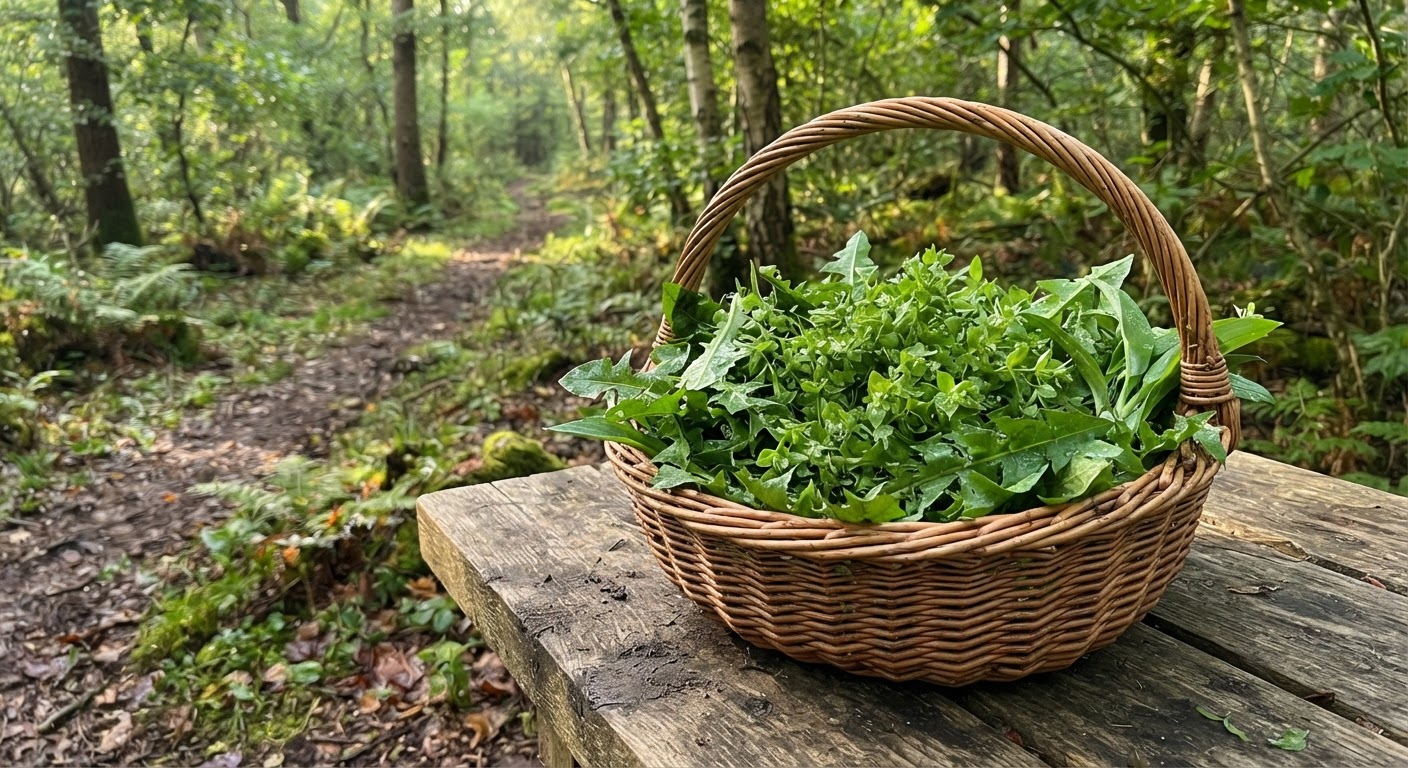
- Forest edges, meadows, and quiet footpaths. Aim at least 30 feet back from any road.
The two hard rules: get permission where it’s required, and never strip an area bare. More on that in a moment.
Step 4: Harvest Cleanly and Leave the Patch Alive
This is where you stop being a plunderer and start being a steward. The goal is to take a meal without killing the plant or the patch.
- Take the young, tender parts. For most greens, that’s the top few leaves or the new spring growth. Older leaves turn bitter and tough.
- Use scissors or pinch cleanly. Yanking the whole plant out of the ground ends its season — and yours, for that spot.
- Leave the roots. For plants like dandelion and chickweed, the roots are what let them come back.
- Take no more than about a third of any one patch. Never harvest a plant there’s only one or two of.
- Wash at home, not at the source. Don’t rinse grit into the patch or handle plants with dirty hands.
The “one-third rule” is a good universal default. Take less than you want; the patch will be there next week.
Step 5: Wash, Prep, and Cook So You Actually Enjoy It
A lot of people try one wild green, cook it badly, and decide foraging isn’t for them. The plant wasn’t the problem — the prep was. Here’s how to make your harvest taste like food instead of a punishment.
Wash thoroughly. Swish greens in a big bowl of cold water, lift them out (don’t pour the grit back over them), and repeat until the water runs clean. Wild greens carry more sand and tiny insects than anything from a store.
Sort and trim. Pull off damaged leaves, tough stems, and anything you’re not 100% sure about. This is your last ID check — if a leaf doesn’t look right, it goes in the compost, not the pan.
Cook most wild greens. Blanching or sautéing tames bitterness and neutralizes mild irritants. The only ones I’d regularly eat raw from the beginner list are chickweed and young purslane — everything else shines cooked.
Here’s how the common preparations compare for the beginner five:
| Plant | Raw? | Best Cooking Method | Flavor & Texture |
|---|---|---|---|
| Dandelion | Only very young leaves | Blanch 30–60s, then sauté | Bitter, spinach-like |
| Stinging Nettle | Never (stings) | Blanch or sauté — heat kills the sting | Nutty, like spinach |
| Chickweed | Yes, excellent | Raw in salad or pesto | Mild, sweet, tender |
| Lamb’s Quarters | Young leaves okay | Sauté like spinach | Mild, slightly salty |
| Purslane | Yes, great | Raw or lightly sautéed | Crunchy, lemony, mucilaginous |
The nettle point deserves emphasis, because it’s the one that scares people off: heat completely destroys the sting. Thirty seconds in boiling water, and it’s just a delicious green. I’ve watched a lot of nervous beginners turn into nettle converts the moment they tasted that first bowl.
The Five Beginner-Proof Wild Vegetables, In Detail
You’ve seen them in tables. Now let’s actually get to know them, because a plant you understand is a plant you’ll use.
Dandelion — the One You Already Know
Everyone can spot a dandelion. The jagged leaves, the sunny yellow flower, the puffball seed head. The whole plant is edible — leaves, flowers, and roots — which makes it the ideal first forager’s plant.
What to pick: Young leaves in spring are the mildest. As the season progresses they get more bitter; blanch them to mellow it. Flowers can be batter-fried or turned into tea, and the root can be roasted into a coffee substitute when you’re feeling ambitious.
Why it’s safe to start here: Dandelion has no genuinely dangerous lookalike. The closest matches — sow thistle, wild lettuce, chicory — are all edible too. That’s a rare and reassuring thing in foraging.
The catch: It’s bitter. Expect it, lean into it, and cook it rather than eating a raw leaf and concluding it’s gross.
Stinging Nettle — the Fearsome One That Tastes Gentle
Nettle is the plant that fights back. Brush against it and you’ll know — the stinging hairs inject a mild irritant that leaves a prickling rash for a while. So why would anyone forage it? Because once cooked, it’s one of the best-tasting and most nutritious greens there is, with an iron and protein content that puts spinach to shame.
What to pick: The top four to six leaves of young spring plants, before they flower and turn tough and gritty. Wear gloves to harvest; the sting dies the moment you cook it.
Why it’s safe to start here: The sting is actually your identification safety net. If it hurts when you touch it, it’s nettle. The main lookalike, dead nettle, is harmless (and doesn’t sting). Confirm the square stem and serrated opposite leaves, and you’re set.
Chickweed — the Gentle Salad Green
Chickweed is the tender, sprawling ground cover that shows up in early spring and cool weather, often long before anything else is green. It’s one of the few wild greens that’s genuinely delicious raw.
What to pick: The top few inches of the tender stems and small leaves. Snip, don’t pull, so it keeps growing.
Why it’s safe to start here: The identification test is easy and reliable. Chickweed has a single line of fine hairs running down one side of the stem, and — critically — it does not leak milky white sap when broken. Its toxic lookalike, spotted spurge, oozes white latex the moment you snap it. White sap is your “stop” signal.
Lamb’s Quarters — the Spinach That Forgot to Be Farmed
Lamb’s quarters (also called goosefoot) is a tall, leafy plant that grows in disturbed soil, garden beds, and farm edges across the world. It’s essentially wild spinach, and in many places it was grown as a crop long before spinach arrived.
What to pick: The young leaves and tender top shoots. The tell-tale white, mealy coating on the leaf underside is what makes it easy to recognize.
Why it’s safe to start here: Once you’ve seen the diamond-shaped leaves with their dusty-white underside, you won’t confuse it. It’s one of the most common and dependable wild greens out there.
Purslane — the Succulent That’s a Nutritional Powerhouse
Purslane grows low and flat, spreading thick reddish stems and fleshy paddle leaves across bare soil in the heat of summer. It’s crunchy, slightly lemony, and — the part that surprises people — one of the best plant sources of omega-3 fatty acids you can find.
What to pick: The whole tender stems and leaves, raw in salads or lightly cooked. It holds up in summer when many other greens have bolted.
Why it’s safe to start here: The fleshy, succulent stems are the giveaway. The lookalike to learn — spotted spurge again — has thin, wiry stems and leaks milky sap. Fleshy and juicy = purslane. Thin and milky = not purslane.
The Season Chart: When to Look for What
One of the fastest ways to get discouraged is to hunt for a plant that isn’t in season. Wild greens have a rhythm, and learning it saves you hours of empty-handed wandering. Here’s a rough guide for temperate regions:
| Season | What’s Tender and Ready | Notes |
|---|---|---|
| Early Spring | Chickweed, young dandelion, young nettle, garlic mustard | The best time for tender greens — before plants flower |
| Late Spring | Nettle (top leaves), lamb’s quarters, dandelion, violet leaves | Peak nettle season; harvest before flowering |
| Summer | Purslane, lamb’s quarters, amaranth, sorrel | Purslane thrives in heat when others bolt |
| Fall | Dandelion (resurgent), chickweed (cool-weather flush), plantain | Many spring greens return with cooler weather |
| Winter | Chickweed (mild climates), wintercress, hardy dandelion | Sparse in cold regions — this is root season |
The pattern: spring and fall are the leafy-green jackpots, summer belongs to heat-lovers like purslane, and winter pushes you toward roots. If you only have energy for one season, make it spring.
Pro Tips From Someone Who’s Made the Mistakes
These are the small things that took me a season or two to figure out, and they’ll flatten your learning curve.
- Forage with your phone, not just your memory. Take a clear photo of the plant before you pick it, plus a shot of the leaf underside and the stem. If you’re wrong about an ID, you’ll want the evidence to figure out what actually happened.
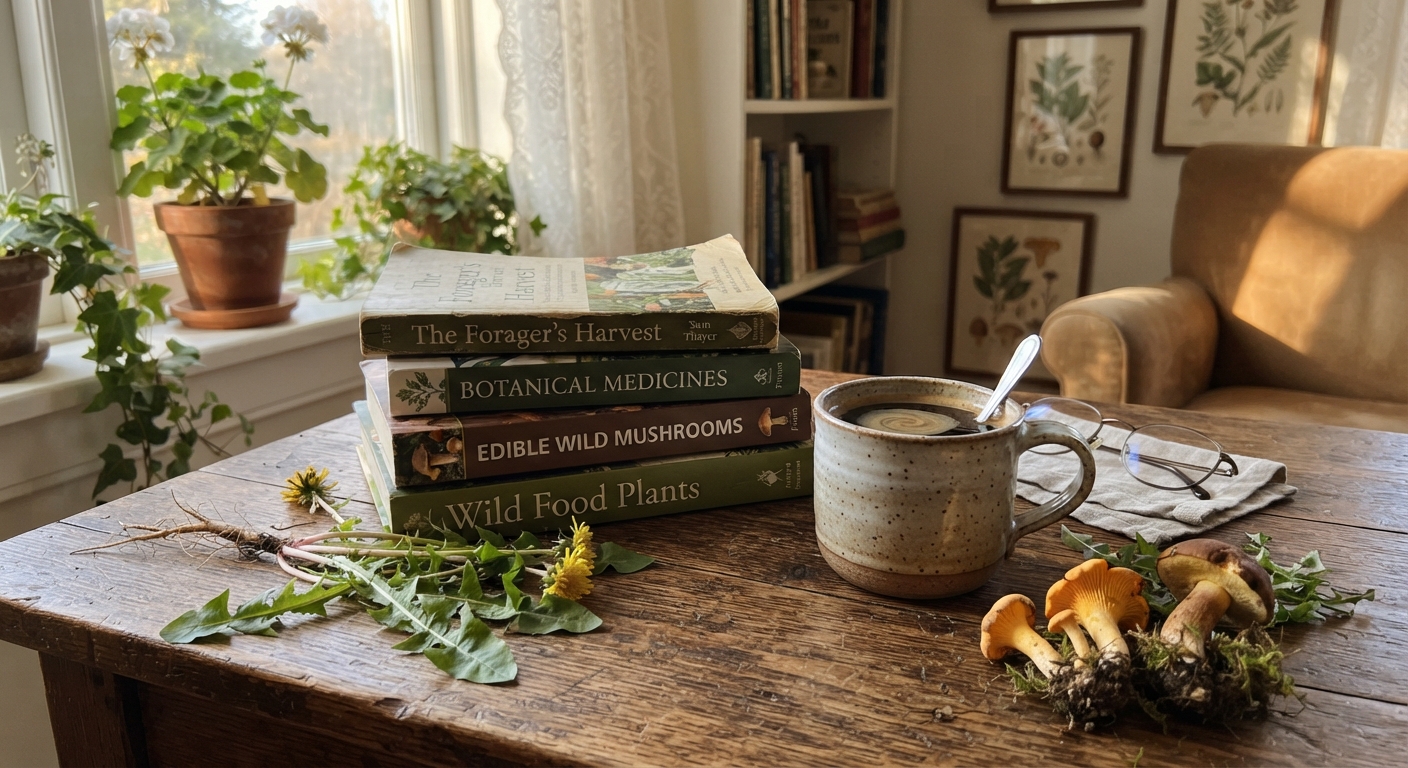
- Go out with someone who knows more than you. One afternoon with an experienced forager is worth a month of reading. Look for local foraging groups, nature centers, or guided walks.
- Taste one leaf before committing to a whole recipe. Wild flavors are stronger and more varied than store-bought. A tiny test bite tells you if you even like it before you build a meal around it.
- Label your harvest. Sounds fussy, but when you get home with three green things in one bag, you won’t remember which is which. Separate bags, sharpie, done.
- Start with a recipe you already like. Don’t pick nettles for the first time and invent a dish on the spot. Substitute a wild green into a spinach or kale recipe you’ve made a hundred times. You’ll isolate the new variable (the plant) and learn its flavor honestly.
- Keep a foraging journal. One line per outing — what you found, where, and the date. Next year you’ll know exactly when and where to return, and that’s when foraging stops being a hobby and becomes a food source.
Common Questions First-Timers Ask Me
How do I know a wild vegetable is safe if I’ve never foraged before?
Stick to the five beginner plants in this guide and run every one through the six-point identification checklist before you pick it. If you can’t check off every feature with confidence, leave it. Safety comes from learning a few plants extremely well, not many plants vaguely.
Can I really just eat weeds from my own yard?
If you know the plant, your yard is untreated, and you’re away from pollution sources — yes. The “weeds” in a clean backyard are often identical to what foragers hike miles to find. The yard is the best place to start precisely because you know its history.
Why do I need to cook some wild greens but not others?
Some wild greens contain mild irritants or antinutrients that heat breaks down. Nettle stings until it’s cooked; dandelion and many others taste far better blanched. A few — chickweed, young purslane — are naturally tender enough to eat raw. When in doubt, cook it.
What if I eat something and feel unwell afterward?
Stop eating it immediately, and if symptoms are more than mild stomach upset, seek medical help — and bring the plant if you can. This is why the “one new plant at a time” rule exists: it makes the cause obvious. Never push through discomfort with an unfamiliar plant.
Is foraging worth it, or should I just buy my greens?
For most people it’s worth it for the taste and the experience first, the savings second. You’re not going to replace your grocery run with your backyard, but you’ll eat greens that are fresher, more nutritious, and more interesting than anything bagged. And the skill itself is a quiet superpower.
Do I need special tools?
No. Scissors or a small knife, a few bags or a basket, and a good pair of gloves for nettles. That’s the entire kit. The expensive gear can come later — or never.
The Bottom Line
Eating wild vegetables isn’t a survival stunt or a niche obsession. It’s a return to a skill humans practiced for thousands of years, and it’s still sitting there in your backyard waiting to be noticed. Start small: learn dandelion and chickweed until you can spot them in your sleep. Cook a nettle and watch the sting disappear in boiling water. Take a third, leave the rest, and note where you found it.
Within a season, you’ll have a repeatable system — find, identify, pick clean, prep, cook — that turns the green stuff growing everywhere into free, nutrient-dense food. The lawn has been trying to feed you this whole time. Now you know how to listen.