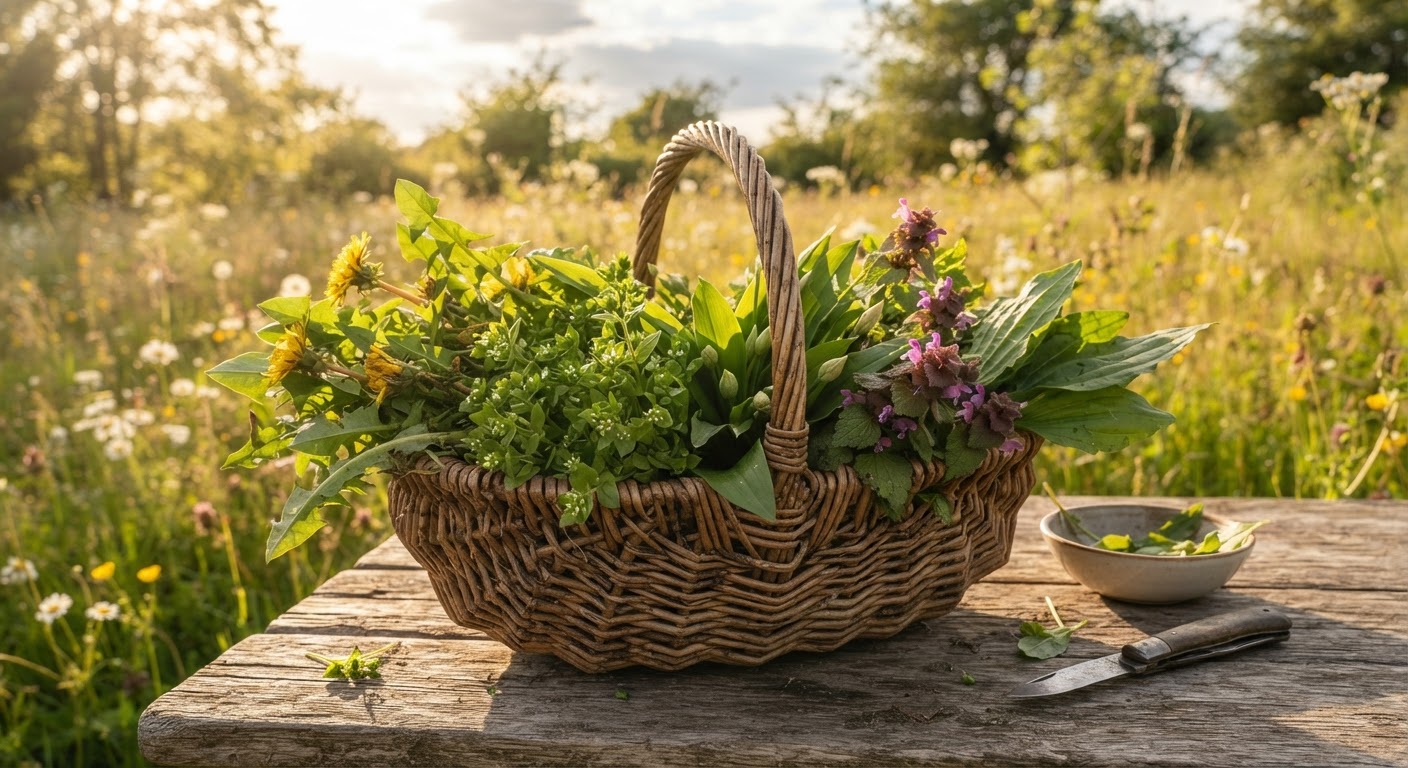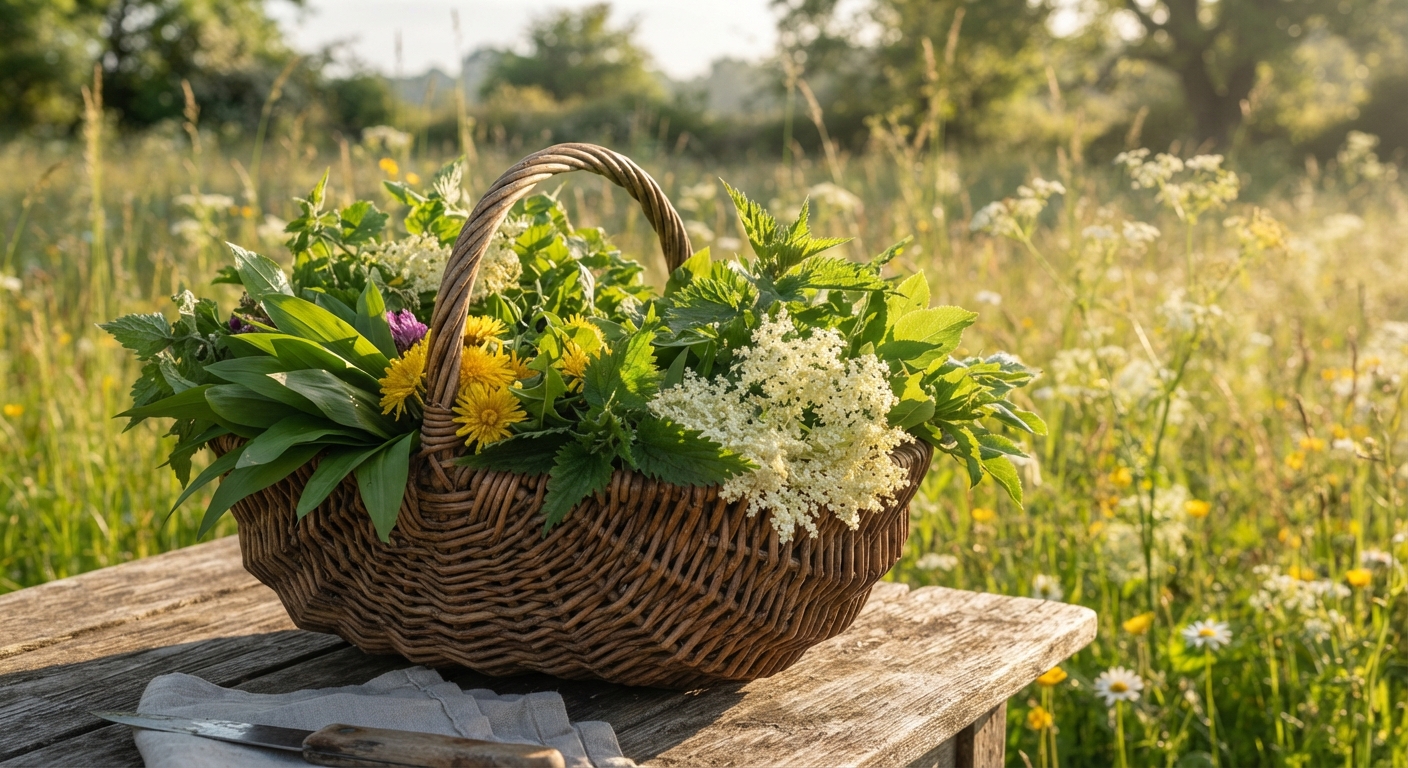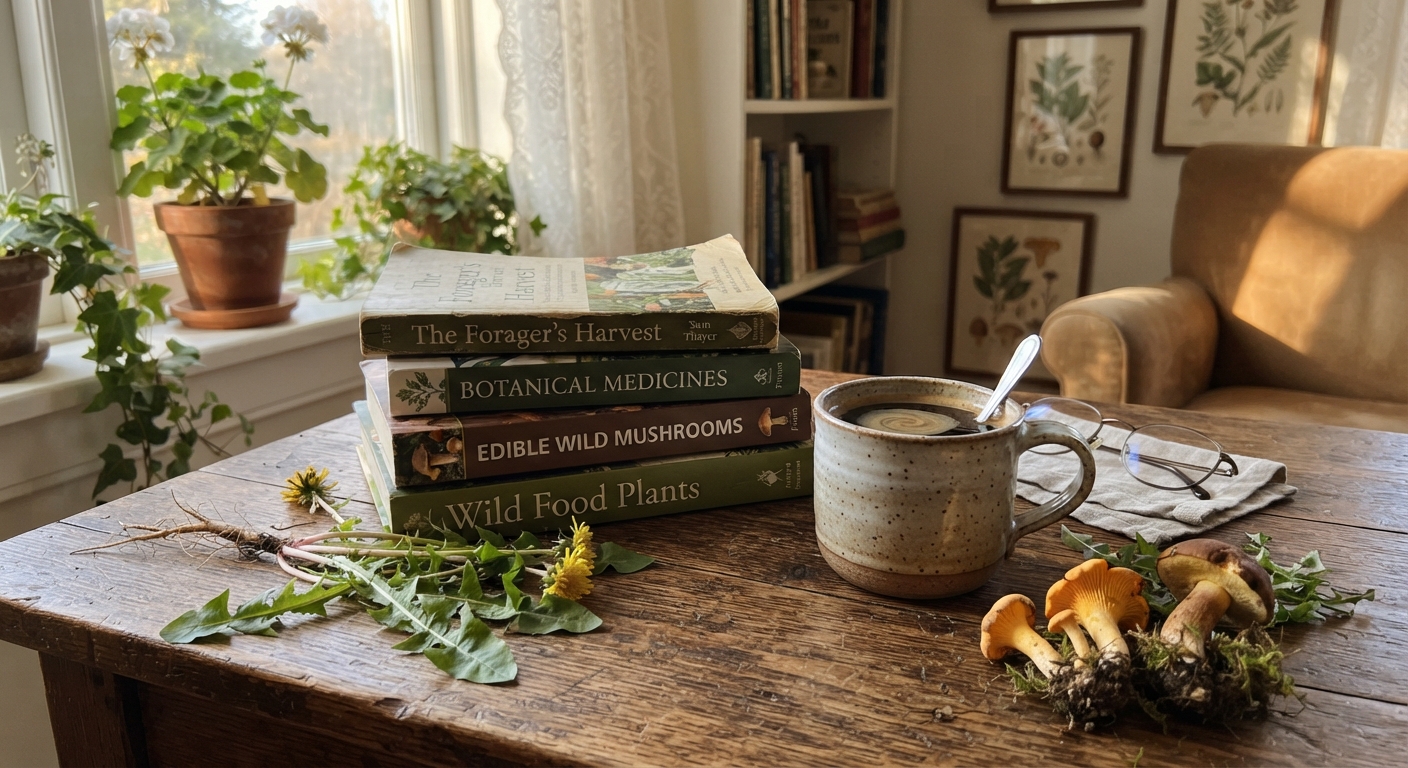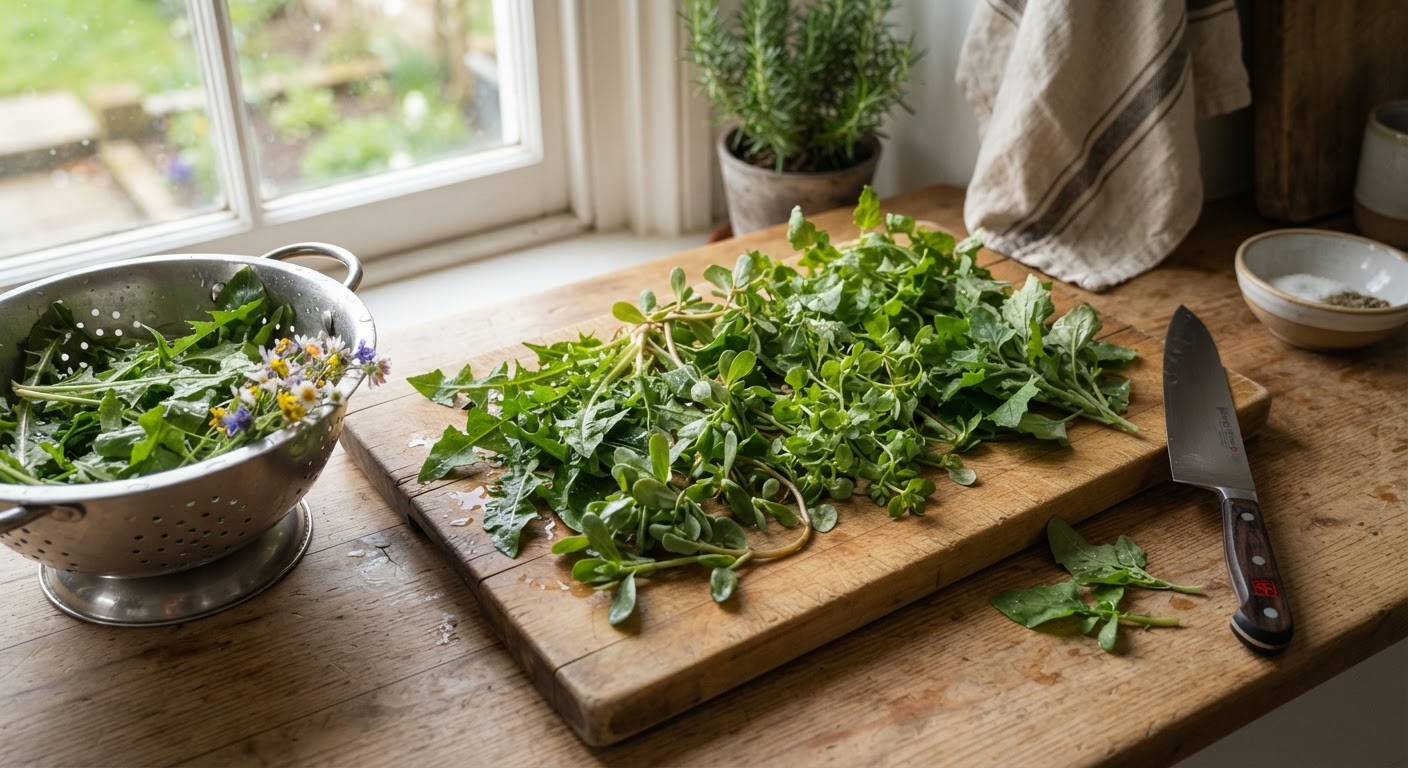
Here’s something most foraging guides won’t admit: a lot of edible wild plants taste terrible if you don’t prep them correctly. You can positively identify every leaf in your basket, follow the field guide to the letter, and still end up with a bitter, fibrous, or just plain sad dinner because nobody told you the plant needs a specific kitchen treatment.
I learned this the frustrating way. My first dandelion salad? So bitter my jaw locked up. First acorn experiment? Three rounds of leaching before it stopped tasting like aspirin. First burdock root? Spent forty minutes scrubbing dirt out of crevices that seemed to multiply as I worked.
The good news: some wild edibles are genuinely effortless — rinse, toss in a bowl, done. Others need a quick blanch or sauté to shine. A handful require real processing but reward you with flavors you can’t buy at any grocery store.
This list breaks 12 common edible wild plants into three prep-effort tiers. You’ll know exactly which ones to grab when you’ve got ten minutes before dinner, and which ones are Saturday-afternoon projects worth the time.
The Quick Reference: All 12 Plants at a Glance
| Plant | Tier | Prep Time | Prep Method | Best Quick Use | Flavor |
|---|---|---|---|---|---|
| Purslane | Tier 1 — Rinse & Eat | 1 min | Rinse, pat dry | Raw in salads, tacos | Lemony, crunchy |
| Wood Sorrel | Tier 1 — Rinse & Eat | 1 min | Rinse | Raw garnish, salads | Tangy, citrusy |
| Chickweed | Tier 1 — Rinse & Eat | 2 min | Rinse, trim roots | Raw sandwiches, quick sauté | Mild, corn-like sweetness |
| Lamb’s Quarters | Tier 1 — Rinse & Eat | 2 min | Rinse, optional stem removal | Substitute for spinach anywhere | Nutty spinach |
| Dandelion Greens | Tier 2 — Quick Cook | 5 min | Rinse, blanch 2 min or sauté | Sautéed with garlic and oil | Bitter → earthy when cooked |
| Stinging Nettle | Tier 2 — Quick Blanch | 5 min | Blanch 1 min (kills stingers) | Pesto, soup, spanakopita | Savory spinach, mineral notes |
| Wild Garlic / Ramps | Tier 2 — Chop & Go | 3 min | Rinse, trim, chop | Compound butter, pesto | Garlic-onion punch |
| Garlic Mustard | Tier 2 — Chop & Go | 2 min | Rinse, chop | Raw pesto, sautéed | Garlic kick + mustard heat |
| Curly Dock | Tier 2 — Blanch | 7 min | Blanch, discard water | Sautéed with bacon | Tart, spinach-like |
| Amaranth Greens | Tier 2 — Quick Cook | 5 min | Rinse, strip leaves from stems | Stir-fried with ginger | Earthy, slightly sweet |
| Acorns | Tier 3 — Processing | 30-60 min | Shell, grind, cold-leach | Acorn flour, porridge | Nutty, mild (post-leach) |
| Burdock Root | Tier 3 — Processing | 15-20 min | Scrub, peel, slice, soak | Kinpira (Japanese stir-fry) | Earthy, artichoke-like |
Keep this table on your phone. When you’re standing in a field at 5 PM on a Tuesday, it’ll tell you whether that plant is a quick-win dinner ingredient or next weekend’s project.
Tier 1: Rinse and Eat — The Zero-Stress Plants
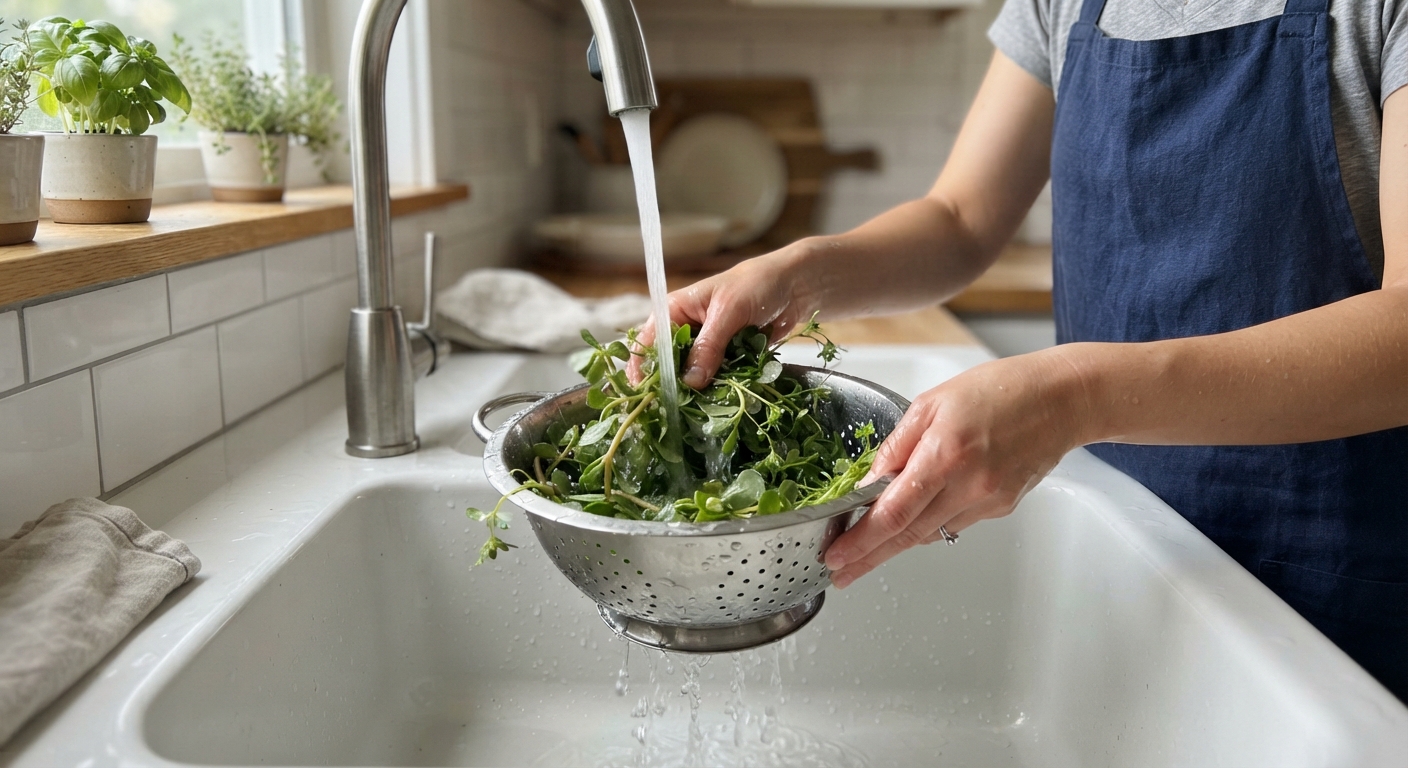
These four plants are the foraging equivalent of pre-washed salad mix. They require no cooking, no special handling, and no acquired taste. If you only learn four wild plants this year, make it these.
1. Purslane (Portulaca oleracea)
Purslane is a succulent that grows flat against the ground, often in garden beds and sidewalk cracks where nothing else bothers trying. Its thick, reddish stems and paddle-shaped leaves make it impossible to confuse with anything dangerous.
Why it’s effortless: You pluck the tender tips — stems included — give them a quick rinse, and they’re ready. No de-stemming, no blanching, no second-guessing. The stems are crisp and juicy, not fibrous.
Kitchen move: Toss raw into a cucumber-tomato salad with olive oil and lemon. The lemony tang of purslane pairs with acid dressings so naturally you’ll wonder why it isn’t sold in stores. It also holds up well in quick stir-fries if you prefer it warm — drop it in during the last 30 seconds.
Nutrition bonus: Purslane contains more omega-3 fatty acids than any other leafy green. We’re talking EPA and ALA — the same compounds you pay a premium for in fish oil supplements — growing for free in your driveway cracks.
2. Wood Sorrel (Oxalis species)
Wood sorrel looks like a miniature clover with heart-shaped leaflets. It grows in shady, moist spots — forest edges, garden borders, between stepping stones.
Why it’s effortless: Snip a handful, rinse, use as garnish. Wood sorrel leaves, flowers, and seed pods are all edible raw. The stems are tender enough to eat without trimming. Total prep: one rinse, one minute.
Kitchen move: Sprinkle raw leaves over fish, salads, or avocado toast. The bright citrus punch — from oxalic acid, the same compound that gives rhubarb its tang — works as a built-in seasoning. Don’t cook it; heat destroys the delicate flavor.
One caution: Wood sorrel contains oxalic acid. In normal garnish quantities it’s completely fine. Don’t eat it by the bowlful every day — but that applies to spinach and rhubarb too.
3. Chickweed (Stellaria media)
Chickweed forms dense, low mats of tiny oval leaves with a single line of fine hairs running along one side of the stem. Small white flowers with five deeply split petals (they look like ten) appear almost year-round in mild climates.
Why it’s effortless: The entire above-ground plant is tender and edible — stems, leaves, and flowers. A quick rinse is all it needs. The stems snap like bean sprouts. No toughness, no bitterness, no tricky prep.
Kitchen move: Raw in sandwiches instead of lettuce. It adds a subtle corn-like sweetness that surprises people. You can also give it a 30-second flash in a hot pan with butter — barely enough to wilt it — and it becomes a side dish that beats anything from a bag.
The ID that matters: That single line of fine hairs on the stem is your guarantee. No toxic lookalike has it. Run your fingernail gently along the stem; if you feel a tiny ridge of hairs that only runs down one side, you’ve got chickweed.
4. Lamb’s Quarters (Chenopodium album)
Lamb’s quarters is often called “wild spinach” and the comparison is accurate enough that once you’ve cooked it, you’ll wonder why anyone buys the bagged stuff. It grows tall — sometimes over six feet — with diamond-shaped, toothed leaves covered in a fine white-mealy powder on the underside.
Why it’s effortless: Young leaves and tender stem tips can go straight from rinse to pan. The white powder washes off instantly in cold water. Older leaves are still good; just strip them from any tough stems (adds about 90 seconds).
Kitchen move: Sauté in olive oil with garlic. That’s it. It wilts exactly like spinach with a slightly nuttier, more substantial flavor. It also works raw in salads when the leaves are young — in spring, the leaf texture is as tender as any cultivated green.
The ID that matters: That white-mealy underside is unique in North America among common weeds. Rub the leaf bottom with your finger — if you see a silvery-white residue, you’ve got lamb’s quarters.
Tier 2: Quick Blanch or Cook — Five Minutes, Big Payoff
These plants need a brief cooking step to go from “technically edible” to “genuinely good.” Nothing complicated — a quick blanch, a fast sauté, or a minute of chopping. The payoff is worth the extra five minutes.
5. Dandelion Greens (Taraxacum officinale)
Dandelions are the most recognizable wild plant on earth. The jagged, backward-pointing teeth on the leaves, the hollow flower stalk, and the single yellow composite flower make identification borderline foolproof.
The prep that fixes them: Raw dandelion greens are bitter — especially after the plant flowers. A two-minute blanch in boiling water transforms them. Dump the blanching water (it’s where the bitterness goes), give them an ice bath to set the green color, then sauté in olive oil with garlic and a splash of lemon. The result is earthy, slightly nutty, and nothing like the raw leaf you started with.
Seasonal note: In early spring, before flower stalks appear, dandelion leaves are mild enough to eat raw in salads. In summer and fall, always blanch. The plant doesn’t change — your prep needs to.
6. Stinging Nettle (Urtica dioica)
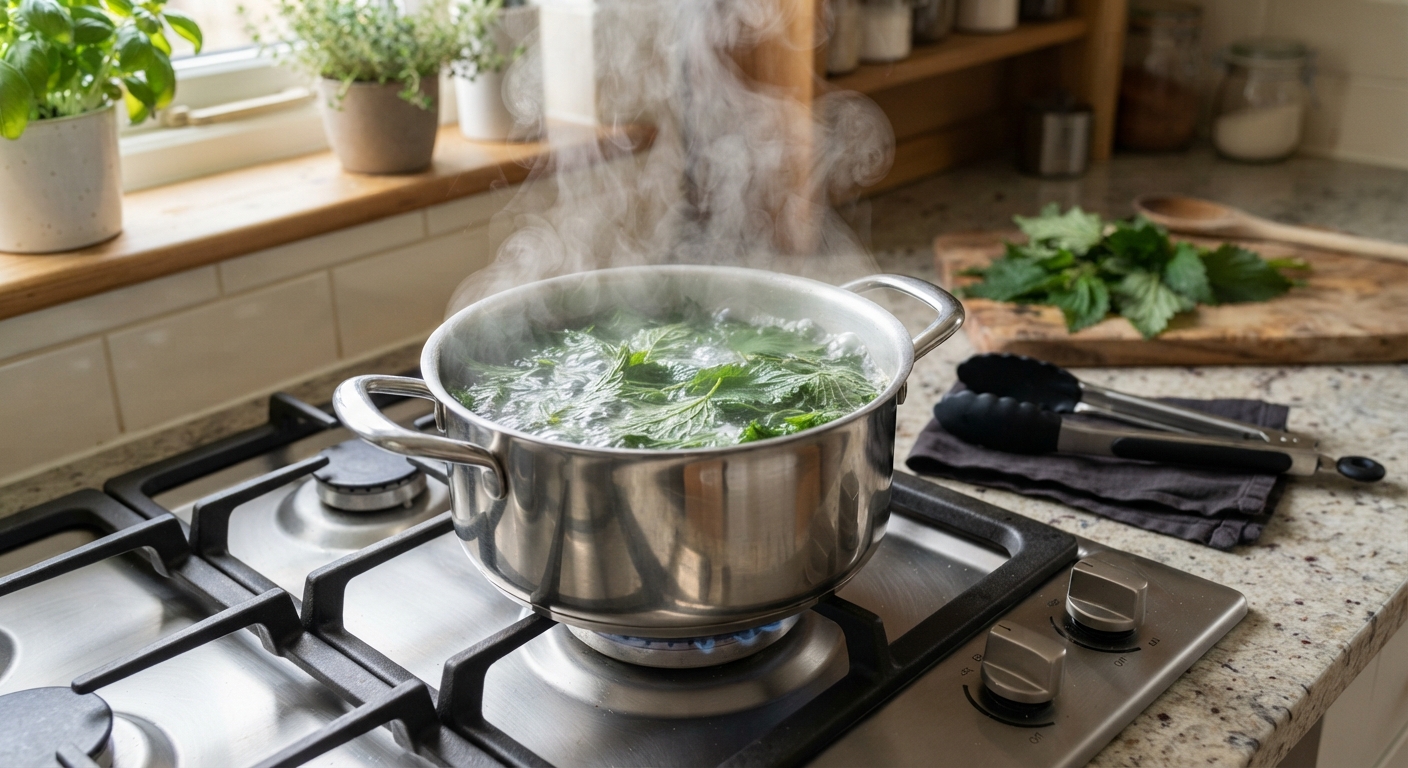
Nettle is the plant that makes people flinch — and it should. Those tiny glass-like hairs on the stems and leaves inject formic acid, the same irritant in ant bites. But here’s the thing: one minute of heat neutralizes the stingers entirely. After that, nettle becomes one of the most versatile wild greens you can find.
The prep: Use gloves to transfer nettles from your foraging bag to the pot — kitchen tongs work fine too. Drop into boiling water for 60-90 seconds. Drain. That’s it. The nettles are now inert, tender, and ready for anything spinach can do, plus more.
Kitchen move: Nettle pesto is the gateway recipe. Blanched nettles, garlic, pine nuts (or walnuts), Parmesan, olive oil, salt. Blend. Spread on toast, toss with pasta, or spoon over roasted vegetables. Nettle soup is a close second — potatoes, leeks, broth, blanched nettles, immersion blender. Creamy, savory, mineral-rich.
Nutrition: Nettle packs roughly 3 grams of protein per cup (cooked), more iron than spinach, and enough vitamin C to matter. Indigenous cultures across multiple continents used it as a spring tonic for good reason.
7. Wild Garlic / Ramps (Allium species)
Wild garlic and ramps are the easiest wild edibles to identify with absolute certainty: if it looks like a wild onion and smells unmistakably like garlic or onion when you crush a leaf, you’ve got an Allium. No toxic plant smells like garlic.
The prep: Rinse off any dirt, trim the root ends, and chop. Ramps have broader leaves than wild garlic and a stronger flavor; both work interchangeably in recipes. The leaves, stems, and bulbs are all usable.
Kitchen move: Compound butter. Soften a stick of butter, mince a handful of wild garlic leaves, mix together with a pinch of salt, roll into a log in parchment paper, and refrigerate. A slice on grilled steak or roasted potatoes will make you forget cultivated garlic exists.
Sustainability note: If you’re harvesting ramps, take only leaves — leave the bulbs in the ground. Ramp populations recover slowly from bulb harvests, and leaf-only picking lets the plant regrow next year. Wild garlic (Allium ursinum and Allium vineale) is less sensitive but the principle still applies.
8. Garlic Mustard (Alliaria petiolata)
Garlic mustard is an invasive species across much of North America — which means you can harvest it aggressively without guilt. First-year plants form low rosettes of kidney-shaped leaves with scalloped edges; second-year plants send up flowering stalks with triangular, toothed leaves.
The garlic-mustard double-check: Crush a leaf. If it smells like garlic, it’s garlic mustard. No toxic lookalike passes this test.
The prep: Rinse, chop, use raw or cooked. The leaves are tender enough to eat raw in pesto and salads. Second-year leaves can get slightly bitter — a quick blanch or sauté fixes it.
Kitchen move: Garlic mustard pesto is arguably better than basil pesto. Two parts garlic mustard leaves to one part basil (optional), walnuts, olive oil, Parmesan. The garlic note means you can skip the garlic cloves — the leaf brings its own.
9. Curly Dock (Rumex crispus)
Curly dock is the one with the wavy leaf edges that look crimped. It grows in disturbed soil everywhere — roadsides, field edges, abandoned lots. Young leaves are best, harvested before the flower stalk shoots up in summer.
The prep: Curly dock contains oxalic acid, same as wood sorrel but at higher concentrations. A quick blanch in boiling water (3-5 minutes), followed by discarding the water, removes most of it. The leaves emerge tart and spinach-like.
Kitchen move: Blanched curly dock sautéed with bacon and onions is a classic Southern forager’s side dish. The bacon fat balances the residual tartness perfectly.
10. Amaranth Greens (Amaranthus species)
Amaranth — also called pigweed or callaloo — produces generous quantities of greens from summer through fall. The leaves are oval with slightly notched tips, and some varieties have a magenta splash at the base of each leaf.
The prep: Strip leaves from the stems. The stems are edible when young but get fibrous as the plant matures. A quick rinse and a 3-minute sauté or stir-fry is all you need.
Kitchen move: Heat oil in a wok, toss in ginger and garlic for 30 seconds, add amaranth leaves, stir-fry until wilted. Finish with a splash of soy sauce and sesame oil. This is essentially how callaloo is prepared across the Caribbean, and it works because the earthy-sweet leaf holds up to high heat without turning to mush.
Tier 3: Weekend Projects — High Effort, High Reward
These plants need real processing time. You won’t grab them on a weeknight. But on a Saturday afternoon with a podcast playing in the background, the results are extraordinary.
11. Acorns (Quercus species)
Acorns were a staple food across North America, Europe, and Asia for thousands of years before agriculture displaced them. The reason they fell out of favor is straightforward: acorns contain bitter, astringent tannins that must be leached out before the nuts become edible.
The prep: Collect acorns that are brown and fully ripe — green ones are unusable. Shell them (a nutcracker works, or a hammer on a hard surface). Grind the nutmeats in a food processor or blender. Place the ground meal in a jar, cover with cold water, and refrigerate. Pour off the brown water and replace with fresh cold water twice a day. Taste a pinch after each water change. When the bitterness is gone — usually 2-5 days for white oak acorns, longer for red oak varieties — the meal is ready.
Kitchen move: Spread the leached meal on a baking sheet and dry it in a low oven (170°F, door cracked) for several hours. Grind into flour. Use it 50/50 with wheat flour for pancakes, muffins, or flatbread. The flavor is mildly nutty with a sweetness that normal flour doesn’t have.
The shortcut: Cold-water leaching in the fridge is slow but preserves the oils that make acorn flour bind well in baking. If you’re in a hurry, hot-water leaching (boiling, changing water repeatedly) works but yields a grittier flour that’s better for porridge than baking.
12. Burdock Root (Arctium species)
Burdock is the plant with enormous leaves and those Velcro-like burrs that stick to everything. Under the ground, though, it produces a long, slender taproot that’s a staple vegetable in Japanese cuisine (where it’s called gobo).
The prep: Burdock root demands patience. Dig it in fall or early spring from first-year plants (they won’t have flowered yet — second-year roots are woody). Scrub off the dirt with a stiff brush — there will be more than you expect. Peel the outer skin with a vegetable peeler. Slice into matchsticks and immediately drop them into a bowl of water with a splash of vinegar; burdock oxidizes and discolors faster than a cut apple.
Kitchen move: Kinpira gobo — the classic Japanese preparation. Sauté burdock matchsticks and carrot matchsticks in sesame oil, add soy sauce, mirin, and a pinch of chili. Cook until tender-crisp, about 8 minutes. The flavor is earthy, slightly sweet, with an artichoke-like depth that’s entirely unique. Sprinkle with sesame seeds and serve alongside rice.
The payoff: You’re not going to do this on a Tuesday. But once you’ve made kinpira with burdock you dug yourself, you’ll understand why people invest the time. This isn’t survival food — it’s a legitimate ingredient that happens to grow wild.
Three Prep Mistakes That Ruin Wild Food
Across all three tiers, I’ve watched beginners make the same mistakes over and over. Fix these three things and your success rate jumps immediately.
Mistake 1: Skipping the Blanch on Bitter Greens
Bitter greens — dandelion, curly dock, older chicory — improve dramatically with a quick blanch. The compounds responsible for bitterness (sesquiterpene lactones and various alkaloids) are often water-soluble. A 2-minute boil leaches them into the water, which you then discard. If a wild green tastes unpleasantly bitter raw, blanching is not optional — it’s the difference between eating it and throwing it away.
Mistake 2: Harvesting Too Late in the Season
Every wild green has a window. Lamb’s quarters harvested in August, after the plant has gone to seed, will be tougher and more strongly flavored than the same plant in May. Amaranth leaves picked from a three-foot-tall flowering plant will be fibrous in a way the young leaves weren’t. Learn the window for each species — the field guide ID might be the same, but the kitchen experience isn’t.
Mistake 3: Overcomplicating the Recipe
A wild green that needed nothing more than olive oil, salt, and heat doesn’t benefit from a twelve-ingredient sauce that buries its flavor. The whole point of foraging is that these ingredients taste distinctly unlike anything in the produce aisle. Let them. Start simple — if the plant is good, you’ll taste it. If it’s not, no amount of garnishing will save it.
FAQ
Which wild edible plant is the absolute easiest for a complete beginner?
Purslane. It grows everywhere, looks unmistakable (succulent reddish stems, paddle-shaped leaves), needs nothing but a rinse, and tastes good raw with zero acquired-taste adjustment. If you can identify one wild plant and nothing else, make it purslane.
Do I need to cook all wild greens before eating them?
No. Tier 1 plants (purslane, wood sorrel, chickweed, lamb’s quarters) are excellent raw. Tier 2 plants benefit from cooking but some — like garlic mustard and wild garlic — are perfectly fine raw in pesto or salads. Tier 3 plants absolutely require processing; do not eat raw acorns or unpeeled burdock root.
Can I freeze wild greens for later use?
Yes, but blanch them first. Drop cleaned greens in boiling water for 60-90 seconds, plunge into ice water, squeeze out excess moisture, and freeze in portions. Nettles, lamb’s quarters, and amaranth freeze particularly well. Dandelion does okay but loses some texture better suited to soups than standalone sides.
How do I wash wild greens properly?
Fill a large bowl with cold water, submerge the greens, swish them around for 30 seconds, and let them sit for a minute. Grit and insects will sink to the bottom. Lift the greens out — don’t pour them through a colander, which just dumps the grit back on top. Repeat if the water was dirty. A salad spinner finishes the job.
Is it safe to eat plants from roadsides or urban lots?
Roadside plants within 30 feet of heavy traffic should be avoided — they accumulate exhaust particulates and road runoff. Urban lot plants are generally fine if the soil hasn’t been treated with pesticides or contaminated by industrial use. When in doubt, stick to parks, nature trails, and your own backyard. A good rule: if you wouldn’t grow vegetables there, don’t forage there.
Summary: The 30-Second Decision Framework
When you spot a potential wild edible:
- Confirm the ID — use at least two features (leaf shape + stem signature, or leaf + flower) before picking.
- Check the prep tier — is this a rinse-and-eat plant, or does it need cooking?
- Assess the season — young spring leaves are always better than late-summer leaves from the same species.
- Start small — try a small portion first, even with confirmed IDs. Individual reactions to wild foods vary.
Forage with confidence, but cook with common sense. The 12 plants on this list — from the effortless purslane to the weekend-project burdock — cover the full spectrum of what wild food can offer. Pick your tier based on how much time you have, not how ambitious your field guide makes you feel.