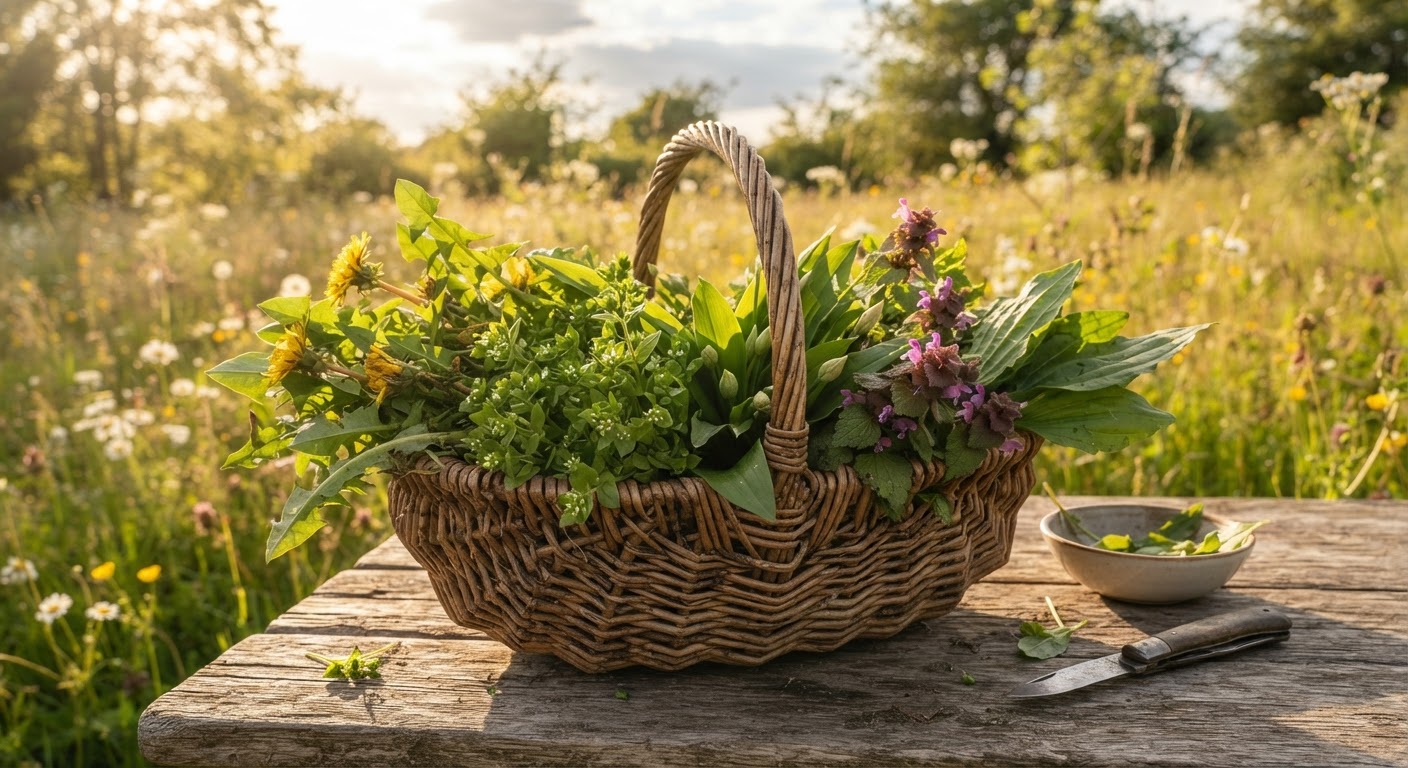
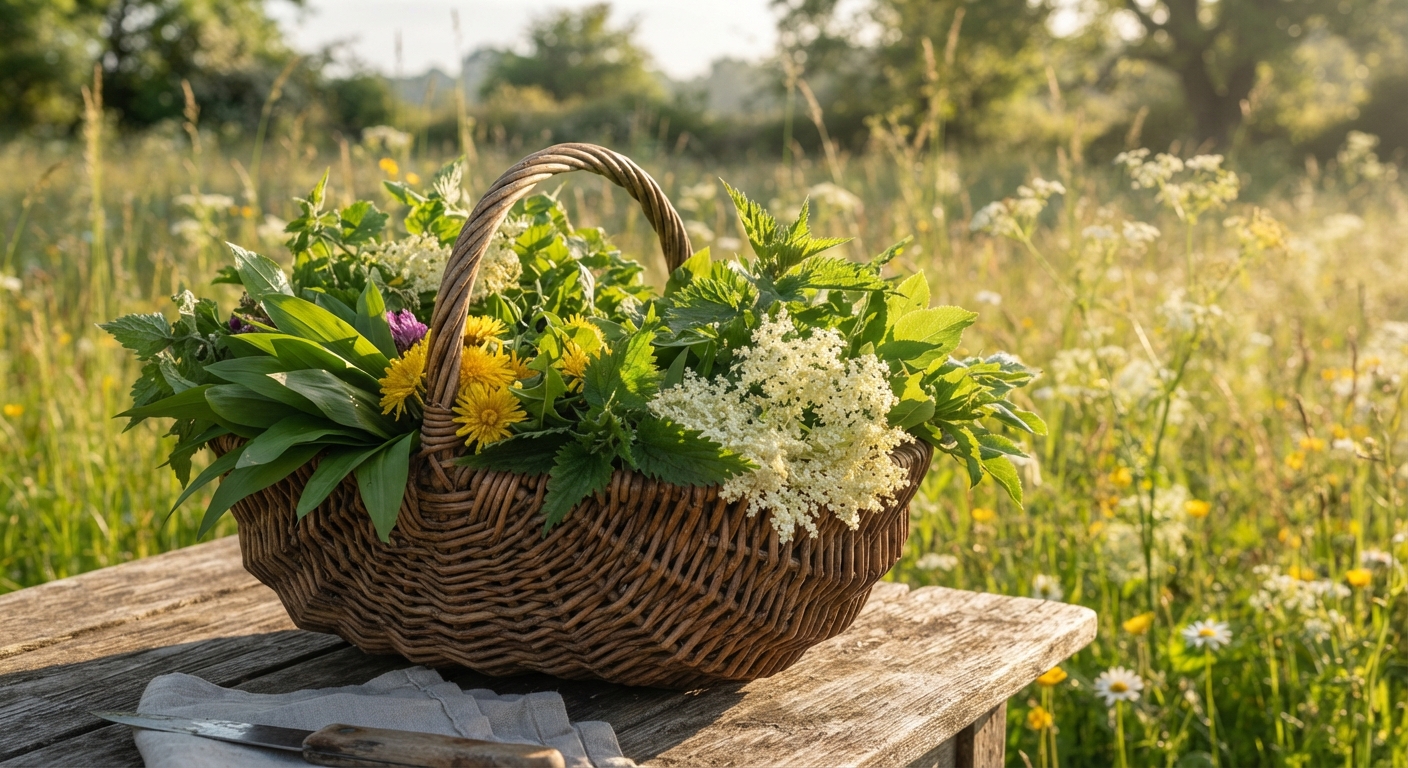
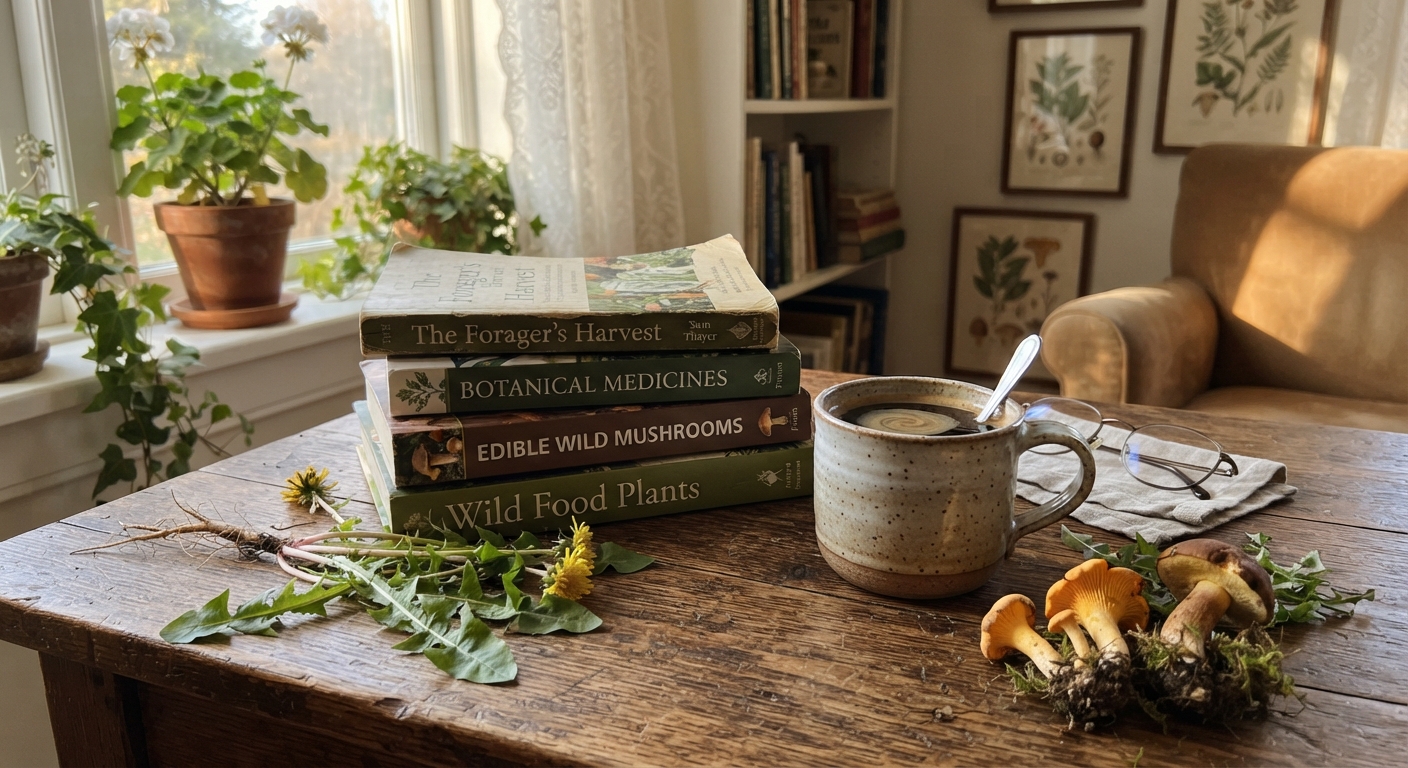
The first time I went summer foraging, I made exactly the mistake you’d expect: I packed a tiny sandwich bag and came home with it half-empty. By the second trip, I was carrying a full backpack, three mesh bags, and a hat I’d borrowed from a scarecrow. Summer doesn’t mess around.
From late June through early September, the landscape transforms into something that resembles an open-air grocery store — if that grocery store didn’t have labels, aisle signs, or anyone to tell you which items might send you to the hospital.
That’s what this guide is for.
I’ve spent the better part of five summers learning which plants are worth the effort, which ones taste like regret, and which ones you absolutely need to identify correctly before putting anywhere near your mouth. Here’s everything I wish someone had handed me on day one.
Why Summer Is the Uncontested King of Foraging Seasons
Spring gets all the hype. Ramps this, morels that. And sure, spring has its moments — but summer is where foraging actually becomes sustainable for a normal person who wants to eat, not just collect bragging rights.
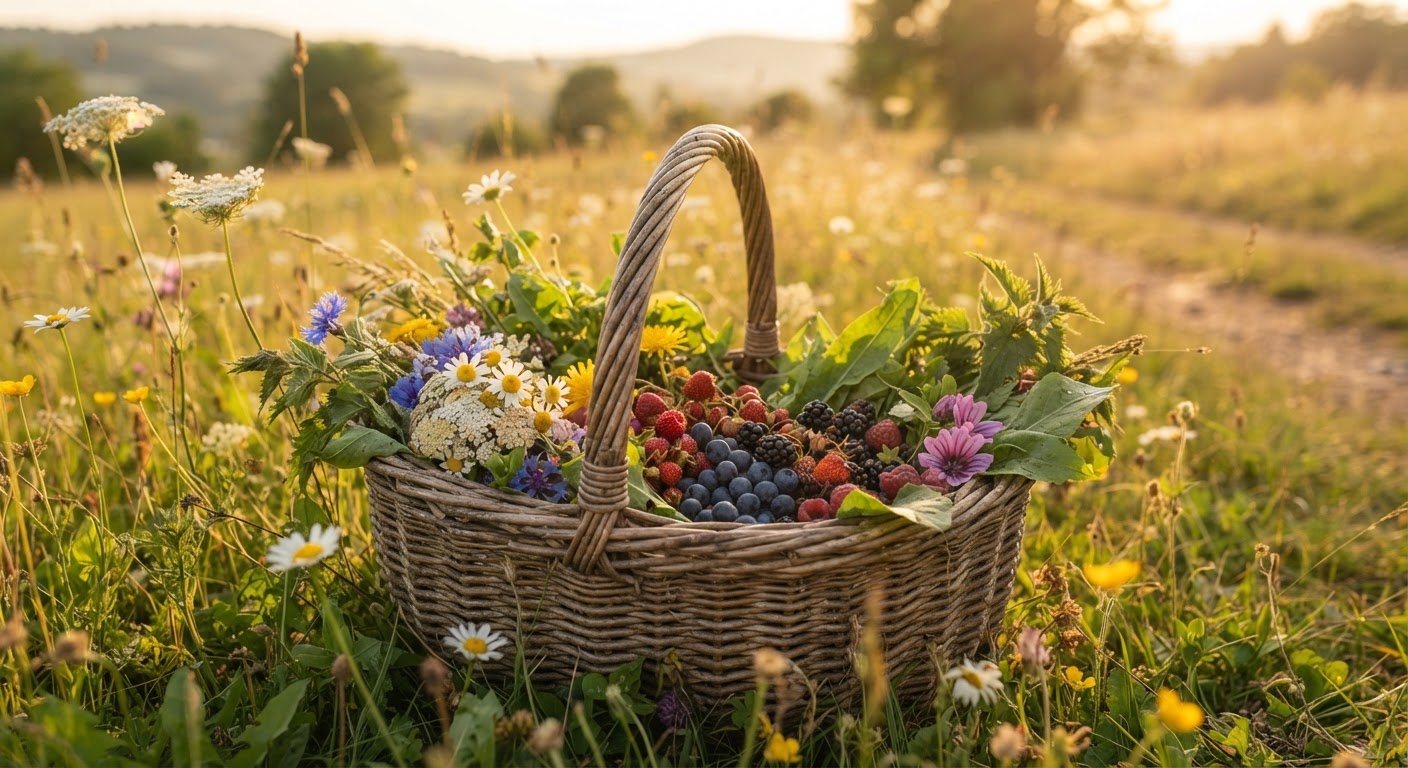
Here’s the reality: summer gives you volume, variety, and visibility. Plants are fully grown, which means you can identify them with confidence. Berries are ripening by the pound instead of the handful. Edible flowers are blooming everywhere. Wild greens haven’t gone bitter yet (well, some have — I’ll get to that).
You can walk into almost any uncultivated space in July and walk out with ingredients for a full meal. Try doing that in March.
What Makes Summer Different
| Aspect | Spring Foraging | Summer Foraging |
|---|---|---|
| Plant visibility | Small, emerging shoots | Fully grown, easy to spot |
| Berry availability | Virtually none | Raspberries, blackberries, blueberries, mulberries |
| Edible flowers | Limited | Abundant — daylilies, clover, elderflower, chicory |
| Wild greens | Tender but scarce | Abundant, some turning bitter |
| Foraging window | 3–4 weeks per plant | 8–12 weeks for most species |
| Risk of misidentification | Higher (plants look similar when young) | Lower (distinct mature features) |
The math speaks for itself. If you’re going to learn foraging, summer is when the training wheels come off and you actually start filling your basket.
15+ Edible Wild Plants You Can Forage Right Now
I’m not going to list every edible plant on the continent. These are the ones you’ll actually find, actually want to eat, and can identify without a botany degree.
Wild Berries — The Summer MVP
If you only forage one category of food this summer, make it berries. They’re the hardest to misidentify (most compound berries in North America are edible), they require zero preparation, and they taste exactly like the ones you’d pay $5 a pint for at the farmers market.
Wild Blackberries (Rubus fruticosus) You know these. Thorny canes, compound berries that turn from red to deep purple-black. Found along trails, fence lines, forest edges, and basically anywhere humans have ever cleared land. Peak season: mid-July through August.
Wild Raspberries (Rubus idaeus) Similar to blackberries but red (or golden), with a hollow core when picked — the berry slips right off the receptacle. They show up a bit earlier, usually late June through July. Look for them in partial sun at forest edges and old clearings.
Mulberries (Morus species) These are the trees dropping purple stains all over sidewalks in June and July. The fruit looks like an elongated blackberry. Both red and white mulberry species produce edible fruit. Word of warning: they’re so delicate that commercial sale is basically impossible, which means foraging is the only way most people will ever eat them. That alone makes them worth seeking out.
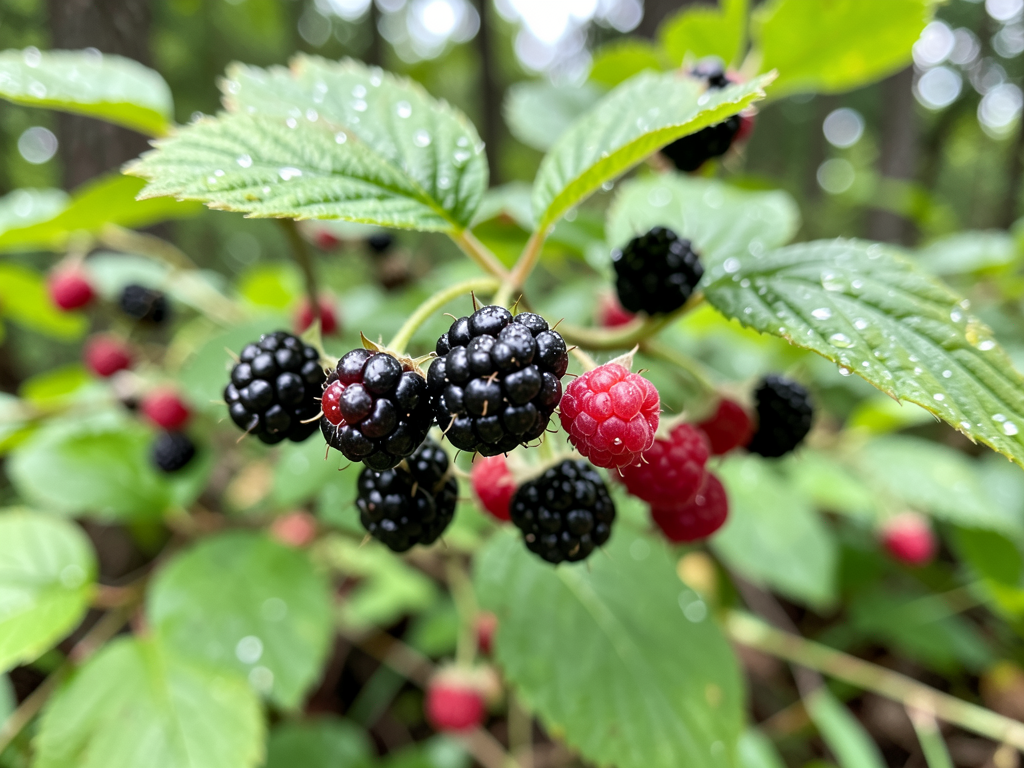
Key berry safety rule: In North America, aggregate berries (clusters of small drupelets like raspberries and blackberries) are almost universally edible. The one exception you’ll hear about is goldenseal — but it has a single red berry, not a compound cluster, so it’s hard to confuse. Still: never eat anything you can’t positively identify. “Almost universally” is not the same as “universally.”
Wild Greens — Your Free Salad Bar
Summer greens require slightly more judgment than spring ones. As temperatures climb, many greens turn bitter and tough. But several species remain tender and pleasant well into August.
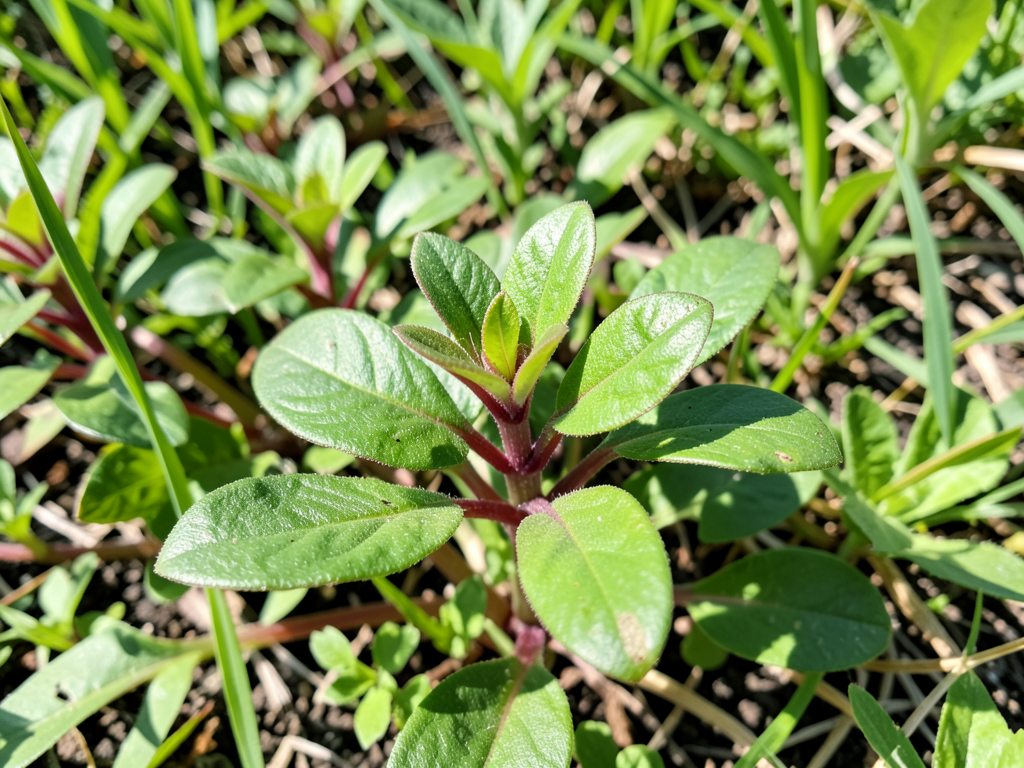
Purslane (Portulaca oleracea) This might be the most underrated plant on Earth. Purslane grows as a low-lying succulent with thick, reddish stems and paddle-shaped green leaves. It thrives in gardens, sidewalk cracks, and disturbed soil. It’s also one of the richest plant sources of omega-3 fatty acids — yes, the same ones you buy fish oil for.
The taste is mild, slightly lemony, with a pleasant crunch. Eat it raw in salads, toss it into stir-fries at the last minute, or pickle the thicker stems. Just make sure you’re picking purslane and not spotted spurge (Euphorbia maculata), which looks vaguely similar but exudes a white, milky sap when you break the stem. Purslane sap is clear.
Lamb’s Quarters (Chenopodium album) Also called wild spinach, and for good reason — it cooks down almost identically. The leaves are diamond-shaped with a white, powdery coating on the undersides. You’ll find it in gardens, farm fields, and disturbed soil from June through September.
Young leaves and tender tips are best. Steam them, sauté them with garlic and olive oil, or throw them into soups. Nutritionally, lamb’s quarters outperform spinach in several categories, including calcium and vitamin A.
Stinging Nettle (Urtica dioica) Yes, the plant that hurts you is also one of the most nutritious greens available. Nettles lose their sting completely once cooked or dried. Summer nettles are tougher than spring ones, so focus on the top 4–6 inches of each plant. Wear gloves when harvesting. Cook them like spinach or blend them into soup — nettle soup with a splash of cream is genuinely one of the best things you can make from foraged ingredients.
Amaranth (Amaranthus species) Often dismissed as a weed (pigweed is the common name), amaranth produces both edible leaves and edible seeds. The leaves cook down like spinach with a slightly earthier flavor. The seed heads, which develop in late summer, can be harvested and cooked like quinoa. Indigenous peoples across the Americas have cultivated amaranth for thousands of years, and there’s a reason it stuck around.
Edible Flowers — More Than Just Pretty
Summer flowers aren’t just for Instagram. Several common species add color, flavor, and surprising nutritional value to meals.
Daylilies (Hemerocallis fulva) The ubiquitous orange roadside lily. Every part of the plant is edible at various stages — young shoots in spring, flower buds in early summer, open flowers in midsummer, and tubers in fall. The open flowers have a sweet, lettuce-like crunch and work beautifully in salads. The unopened buds sautéed in butter taste remarkably like green beans.
Important distinction: daylilies (Hemerocallis) are not true lilies (Lilium), and some true lilies are toxic. Daylilies have grass-like leaves emerging from the base; true lilies have leaves arranged along a central stalk.
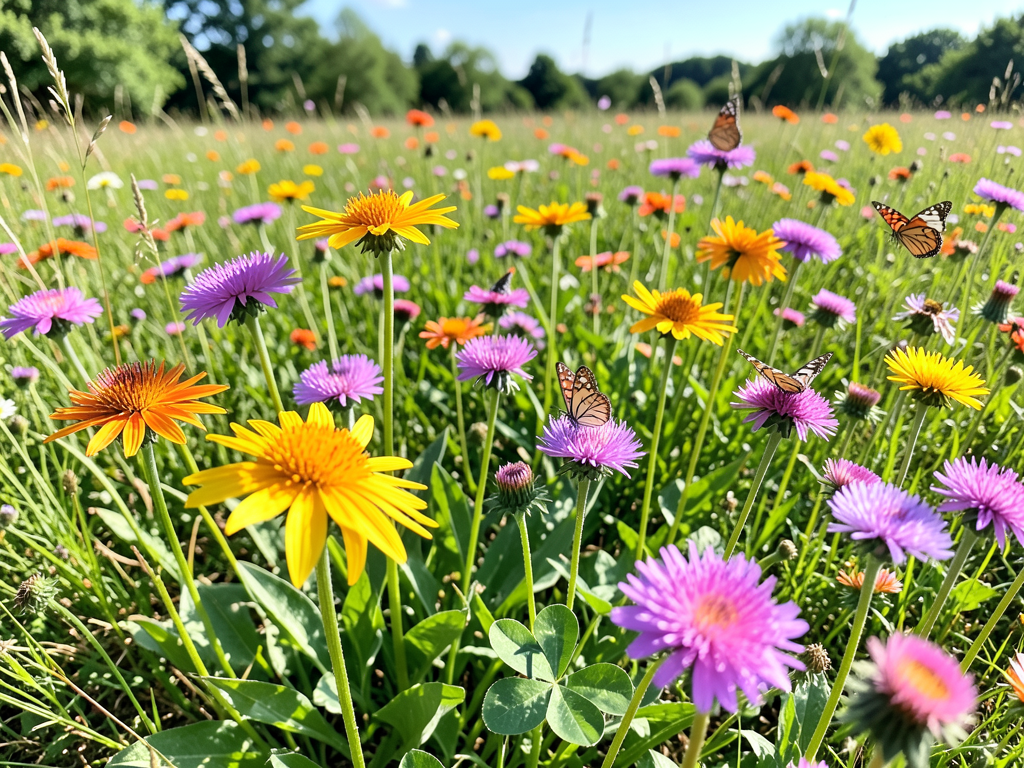
Red Clover (Trifolium pratense) Those pink-purple pom-pom flowers dotting every lawn and meadow from June through September? Edible. The flower heads have a mild, sweet flavor. Pull the individual florets out and sprinkle them over salads, or dry the whole heads for tea. Clover tea has a gentle honey-like sweetness that needs no additional sweetener.
Chicory (Cichorium intybus) You can’t miss chicory in summer — those sky-blue flowers on wiry stems line roadsides and vacant lots everywhere from July through October. The flowers are edible and slightly bitter, much like the root (which is roasted and used as a coffee substitute). The young leaves can go into salads, though they get aggressively bitter as summer progresses.
Wild Fruits and Nuts — The Late-Summer Bonus
As August rolls around, keep your eyes open for these:
Elderberries (Sambucus canadensis / nigra) Flat-topped clusters of tiny dark purple berries, appearing on shrubs in wet areas from late July through September. Elderberries are not good raw — they’re tart, slightly toxic when uncooked, and frankly unpleasant. But cooked into syrup, jam, or wine, they transform into something magnificent. The flowers (elderflower) are also edible in early summer and make superb cordial and fritters.
Wild Plums (Prunus americana) Small, tart plums that ripen in late August and September. They’re often found along fencerows and woodland edges. The fruit is typically smaller than a golf ball, with yellow to red skin. They make exceptional jam and fruit leather.
Black Walnuts (Juglans nigra) These drop in September and October, but the trees are easy to spot all summer — look for compound leaves and green-husked nuts. Harvesting and processing black walnuts is a commitment (the husks stain everything and the shells are notoriously hard), but the flavor is unlike any store-bought walnut you’ve ever tasted.
How to Identify Summer Wild Edibles Without Guesswork
I need you to take this part seriously.
Foraging is not a “close enough” activity. The difference between purslane and spotted spurge, between wild carrot and poison hemlock, between an edible berry and a toxic one — these aren’t academic distinctions. They’re the difference between dinner and a trip to the emergency room.
The Forager’s Identification Protocol
I follow a five-step process every single time, even with plants I’ve harvested dozens of times:
-
Observe the full plant. Don’t just look at the flower or the berry. Examine leaf arrangement, stem characteristics, growth habit, and root structure if possible. A plant is a complete package, not a single feature.
-
Check multiple field guides. Never rely on a single source. I use at least two physical field guides plus a reputable plant identification app as a cross-reference. Apps are useful pointers but not authoritative — they get things wrong often enough that you shouldn’t bet your health on them.
-
Note the habitat and location. Plants grow in specific conditions. If you find what looks like a water-loving plant in dry, sandy soil, your identification is probably wrong. Context matters.
-
Check the season. Most plants have predictable flowering and fruiting windows. Finding “ripe blueberries” in April means you’re not looking at blueberries.
-
Do the smell and sap test. Crush a leaf. What does it smell like? Break a stem. What color is the sap? These sensory checks often confirm or reject an identification instantly.
The Universal Edibility Test — When You Genuinely Don’t Know
The military teaches a universal edibility test for survival situations. I’m mentioning it because it exists, but I want to be clear: this is for survival scenarios, not recreational foraging. In normal circumstances, if you don’t know what a plant is, don’t eat it. Period.
If you’re ever in a genuine survival situation, the protocol is: separate the plant into parts (leaves, stems, roots), test one part at a time, hold a small piece against your inner wrist or lip for several minutes to check for reactions, then chew a tiny amount and wait 8 hours. But again — this is a last resort, not a foraging shortcut.
Common Summer Foraging Mistakes I’ve Made (So You Don’t Have To)
I’ve been foraging for years, and I still make mistakes. Here are the ones that stung the most:
Mistake #1: Foraging near roads. For the first two seasons, I harvested lamb’s quarters from the edge of a country road because there was so much of it. Then someone told me about heavy metal accumulation in roadside plants from decades of leaded gasoline exhaust. I’d been eating contaminated greens for two years. Now I forage at least 50 feet from any road, preferably more.
Mistake #2: Over-harvesting. Enthusiasm is great until you wipe out a patch. The foraging rule of thumb is take no more than 10–30% of any given stand, depending on how abundant the species is. For rare or slow-growing plants, take even less. I once cleared an entire patch of ramps not realizing they take seven years to mature from seed. I still feel bad about that one.
Mistake #3: Eating unverified plants because I was hungry. On a long hike, I convinced myself those mystery berries looked “close enough” to blueberries. They weren’t. I spent the next four hours with stomach cramps. Nothing life-threatening, but embarrassing and completely avoidable.
Mistake #4: Not checking for pesticides. Public parks, golf courses, and manicured greenspaces are often sprayed. That gorgeous patch of dandelions might be hosting a chemical cocktail. Always check whether an area is maintained with herbicides before harvesting.
Essential Tools for Summer Foraging
You don’t need much. Here’s my actual kit:
| Tool | Why You Need It | Cost |
|---|---|---|
| Mesh bags (3–4) | Allows spores and seeds to disperse as you walk; keeps greens from wilting | $5–10 |
| Pruning shears | Clean cuts for stems and branches; reduces plant damage | $15–25 |
| Garden gloves | Nettles, thistles, and poison ivy protection | $5–10 |
| Field guide (physical book) | Works without battery, never misidentifies due to bad lighting | $15–30 |
| Small knife (Opinels are perfect) | Cutting stems, digging small roots, general utility | $15 |
| Basket or backpack | Carrying capacity without crushing delicate items | $20–40 |
| Water bottle | Hydration + rinsing grit off berries and greens on site | $10 |
| Phone (with offline field guide) | Backup identification and GPS marking of good spots | Already have it |
That’s under $100 total for a kit that will pay for itself within a few foraging trips, assuming you’d otherwise be buying organic produce at grocery store prices.
How to Cook and Use Your Summer Foraged Haul
Collecting is half the fun. Actually eating well from what you collected — that’s where it gets good.
Quick-Prep Ideas for Each Category
Wild berries: Beyond eating them fresh (which is always option one), freeze them on a baking sheet and bag them for winter smoothies. Infuse them into vinegar for salad dressings. Mash them into lemonade. Simmer with a bit of sugar and strain for a pancake syrup that’ll ruin store-bought syrup for you forever.
Wild greens: Blanching in salted boiling water for 30–60 seconds removes bitterness from tougher leaves. After blanching, shock in ice water, squeeze dry, and sauté with garlic and olive oil. This works for lamb’s quarters, amaranth, and older nettle leaves. Purslane doesn’t need blanching — it’s great raw.
Edible flowers: Most are best raw. Sprinkle on salads, float in summer cocktails, freeze into ice cubes. Daylily buds get a quick sauté in butter. Elderflowers make an incredible cordial: steep flower heads in sugar syrup with lemon slices for 24 hours.
Wild greens pesto: This is my go-to for using up whatever greens I’ve collected. Blend 2 cups of cleaned wild greens with 1/3 cup nuts (walnuts or pine nuts), 2 garlic cloves, 1/2 cup olive oil, and 1/3 cup parmesan. Salt to taste. Works with nettles, lamb’s quarters, amaranth, and even purslane.
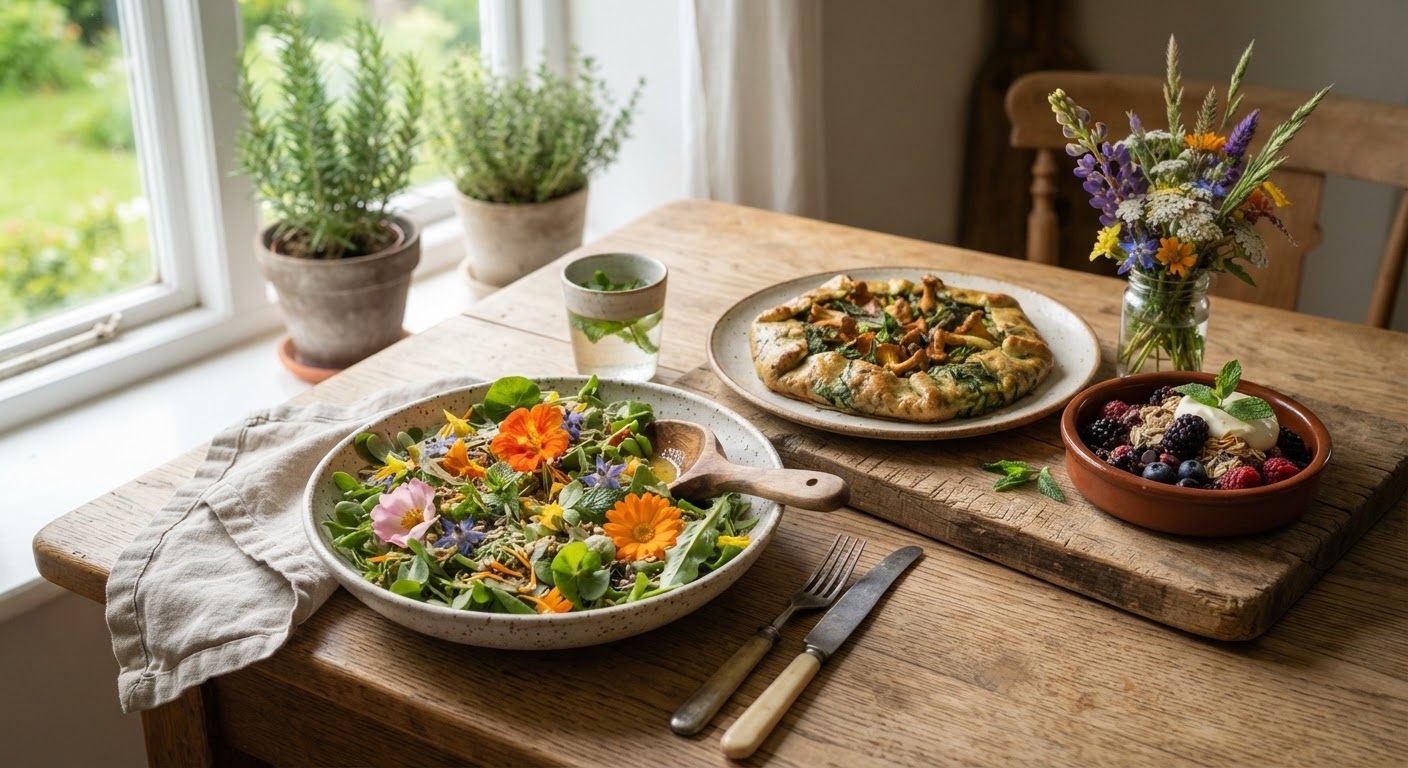
Preserving for later: Not everything needs to be eaten this week. Dry nettles and wild greens for soup mixes. Freeze berries on trays and bag them. Make fruit leather from wild plums and berries. Pickle purslane stems (they stay crunchy). Ferment elderberries into wine or syrup. The more you preserve now, the more summer you’ll taste in January.
Summer Foraging Safety Checklist
Print this out. Tape it to your fridge. Read it before every trip.
- I can positively identify every plant I intend to harvest using at least two sources
- I know the toxic lookalikes for each target species and can distinguish them
- I’m foraging at least 50 feet from roads and 100 feet from agricultural fields
- The area has not been sprayed with herbicides or pesticides
- I’m harvesting from an area with legal access (not private property without permission)
- I’m taking no more than 20–30% of any plant population
- I have gloves if I’m harvesting nettles or anything thorny
- I’m not harvesting near dog-walking areas or obvious animal latrine sites
- I’m carrying water and know the symptoms of dehydration and heat exhaustion
- Someone knows where I am and when to expect me back
Frequently Asked Questions
Is summer foraging legal everywhere?
Laws vary by location. In the US, foraging is generally permitted on most public lands (National Forests, BLM land) for personal use, but rules differ for state parks, national parks, and nature preserves. Always check local regulations. In the UK, foraging for personal use is generally allowed under common law but restricted on certain protected lands.
How can I tell if a berry is poisonous?
There’s no single rule. “Red berries are poisonous” is a myth — raspberries and strawberries are red and obviously safe. “Birds eat them so they’re safe” is also a myth — birds can metabolize compounds toxic to humans. The only reliable approach is learning to identify individual species. For beginners, stick to compound berries (raspberries, blackberries) which are almost universally safe in North America.
Do I need to wash foraged plants?
Yes — and more thoroughly than grocery store produce. Wild plants have been exposed to wildlife, insects, and environmental dust. Soak greens in cool water with a splash of vinegar for 5 minutes, then rinse thoroughly. Berries should be gently rinsed just before eating to prevent mold.
What’s the one plant beginners should start with?
Dandelion. It’s unmistakable once you learn it (there are no dangerous lookalikes for a mature dandelion), it’s everywhere, and every part is edible. Leaves for salad, flowers for fritters or wine, roots for roasting. It’s the confidence-builder that opens the door to everything else.
Can I forage in my own backyard?
Absolutely — and it’s actually the safest place to start. You know the history of the land, you know whether chemicals have been applied, and you can observe plants through their full growth cycle. Many of the plants covered in this guide (purslane, dandelion, lamb’s quarters, clover) are likely already growing in your yard.
How do I avoid heat exhaustion while summer foraging?
Go early. Dawn to 10 AM is the golden window — cooler temperatures, better lighting for photography and identification, and plants are at their crispest. Wear a wide-brimmed hat, carry more water than you think you need, and know the signs: headache, dizziness, nausea, confusion. If you stop sweating on a hot day, get to shade and hydrate immediately. That’s a warning sign, not a badge of honor.
The One Thing I Want You to Remember
Summer foraging isn’t about replacing grocery shopping. It’s about adding a layer of awareness, competence, and connection that you can’t get from a supermarket aisle.
When you know that the “weed” in your garden is actually purslane — and that it’s more nutritious than the lettuce you paid for — your relationship with the outdoor world shifts. You stop seeing green chaos and start seeing ingredients.
Start small. Learn three plants this summer. Master their identification, their lookalikes, their best uses. Next summer, learn three more. Within a few years, you’ll walk through any landscape and see food everywhere.
That’s not a party trick. That’s a life skill.
Now grab a mesh bag and get outside. The berries aren’t going to pick themselves.