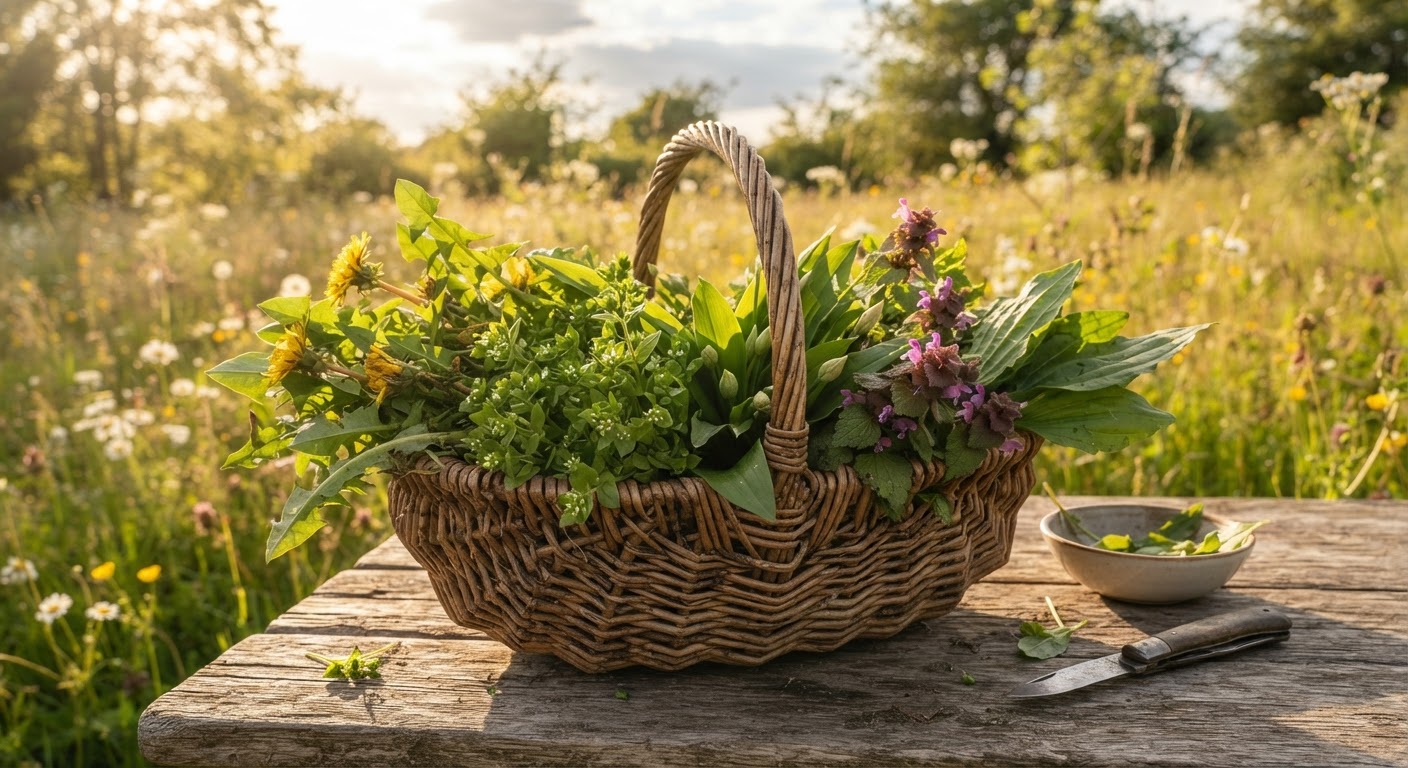
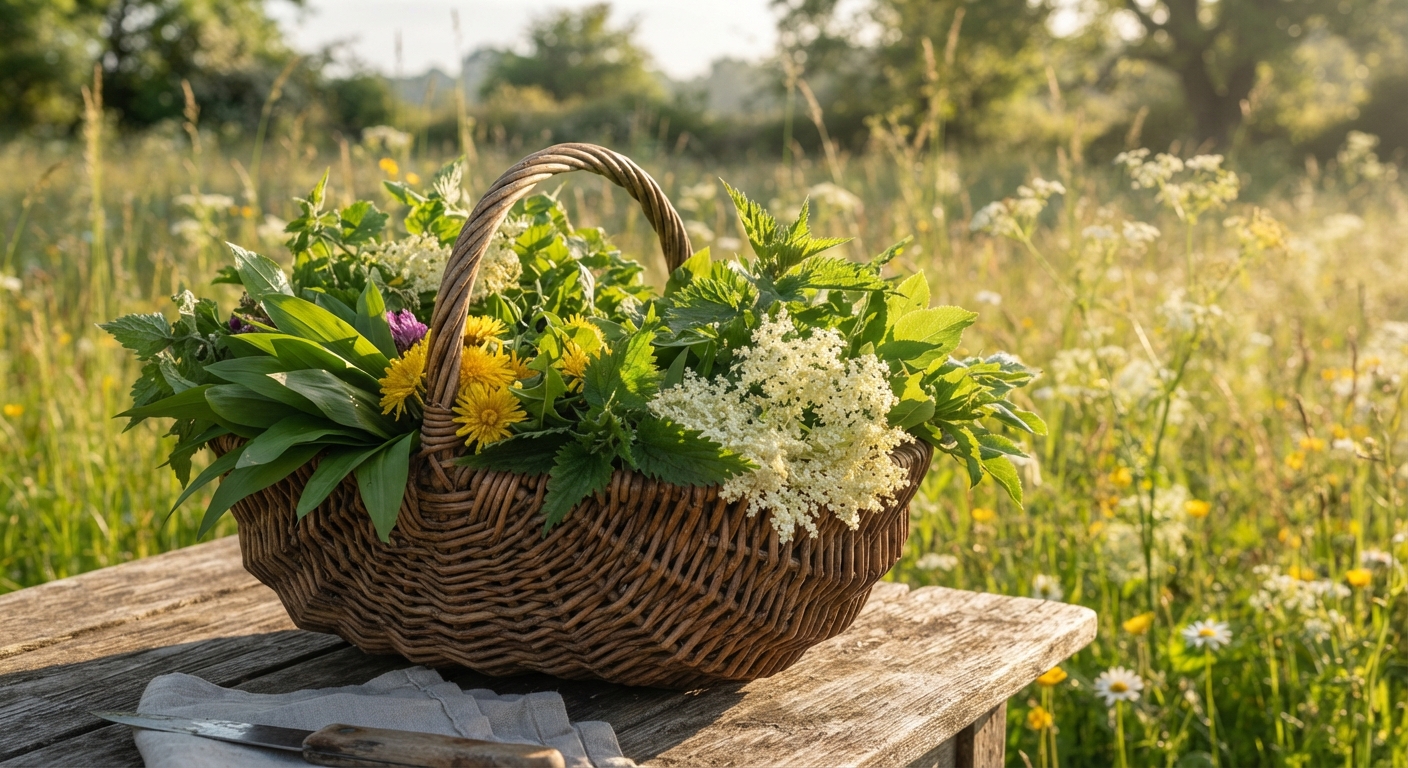
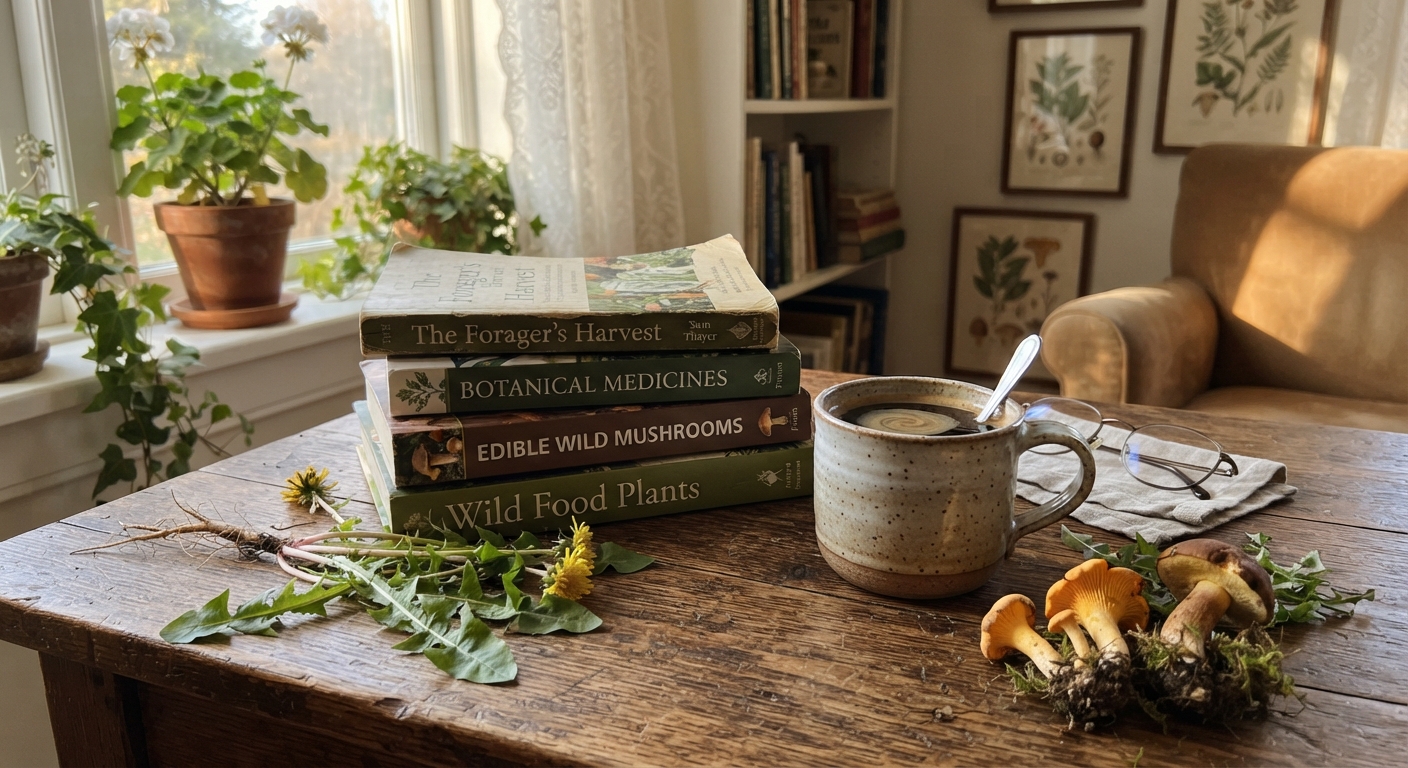
The first time I went foraging in spring, I came home with a bag full of plants I couldn’t identify and a pair of pants soaked through from kneeling in wet grass. My partner looked at the limp greens on the counter and asked, very reasonably, “Are we supposed to eat those?”
Three of the seven plants I collected were edible. Two were just grass. One was mildly toxic. And the last one was, embarrassingly, a dead leaf from last autumn.
That was six springs ago. Now, March and April are my favorite months to be outdoors — not just because the weather turns, but because spring is when the foraging gets easy. The plants are young, tender, and surprisingly easy to recognize. You don’t need to be a botanist. You just need to know what to look for and when.
This guide covers the edible wild plants in spring that are worth your time — the ones that are abundant, hard to misidentify, and genuinely good to eat. No obscure survival foods. Just real ingredients you’ll actually want to cook with.
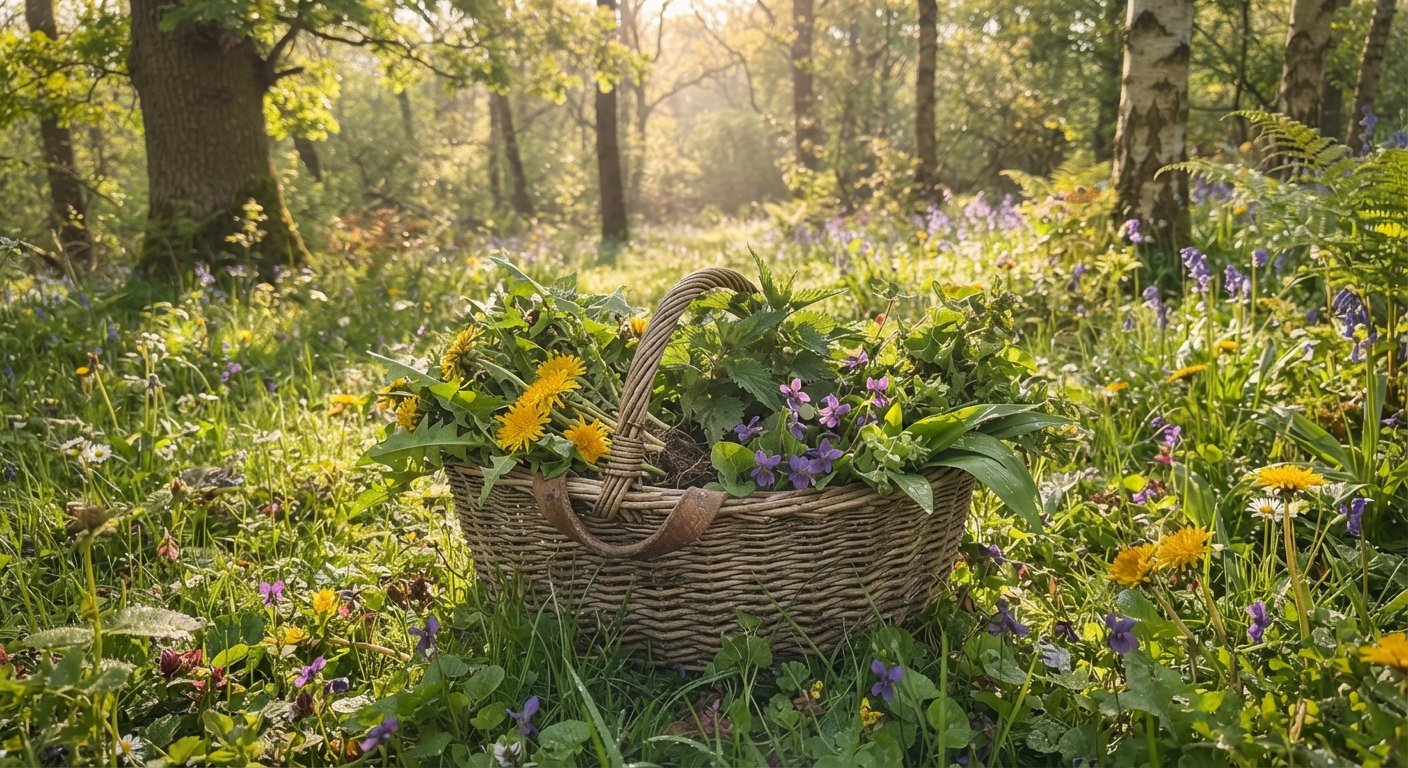
Why Spring Is the Best Season to Start Foraging
Ask any experienced forager when they’d recommend a beginner to start, and almost all of them will say the same thing: spring.
There’s a practical reason for this. In spring, edible plants are in their most recognizable and most delicious stage. Leaves are young and tender before they turn bitter. Flowers are bright and obvious before they fade. Shoots push up through bare soil where they’re easy to spot against the brown of last year’s debris.
Summer foraging gets harder. Plants mature quickly, leaves toughen up, and the greenery becomes a wall of indistinguishable foliage. Fall is better — mushrooms and nuts — but mushroom identification carries real risk. Winter is sparse, limited to roots and the hardiest greens.
Spring gives you the widest margin for error. The plants are at their most distinctive, and the consequences of getting it wrong are lowest when you’re dealing with greens rather than mushrooms.
What Makes Spring Plants Special
Spring wild greens have something cultivated greens don’t: nutritional density that borders on ridiculous. Plants that push through cold soil and survive late frosts pack their cells with protective compounds — the same compounds that make them nutritionally valuable to us.
- Stinging nettle contains more protein by dry weight than any other leafy green, plus iron, calcium, and vitamin C at levels that make spinach look lazy.
- Dandelion greens have more vitamin A than carrots, more potassium than bananas, and a bitter compound (taraxacin) that stimulates digestion.
- Chickweed is rich in vitamin C, gamma-linolenic acid, and saponins that act as a gentle detoxifier.
These aren’t survival foods you choke down. They’re ingredients that outperform the stuff in the produce aisle. The trick is knowing which ones to pick.
10 Edible Wild Plants to Forage in Spring
These ten plants represent the best intersection of three criteria: abundance, ease of identification, and culinary value. I’ve deliberately excluded plants with dangerous lookalikes unless the identification is truly foolproof.
1. Dandelion (Taraxacum officinale)
If you can’t find dandelions, you’re not looking. They grow in lawns, sidewalk cracks, meadows, and abandoned lots across every continent except Antarctica.
Identification: Rosette of deeply toothed leaves (the name comes from French dent de lion — lion’s tooth), hollow flower stalks with milky sap, and bright yellow composite flowers. No lookalikes to confuse it with once you check for those three features together.
What to harvest: Young leaves in early spring before flowers appear (they get bitter after flowering), unopened flower buds (cook like capers), and fully opened flowers (for fritters, wine, or syrup). The roots can be dug in fall or early spring for roasting as a coffee substitute.
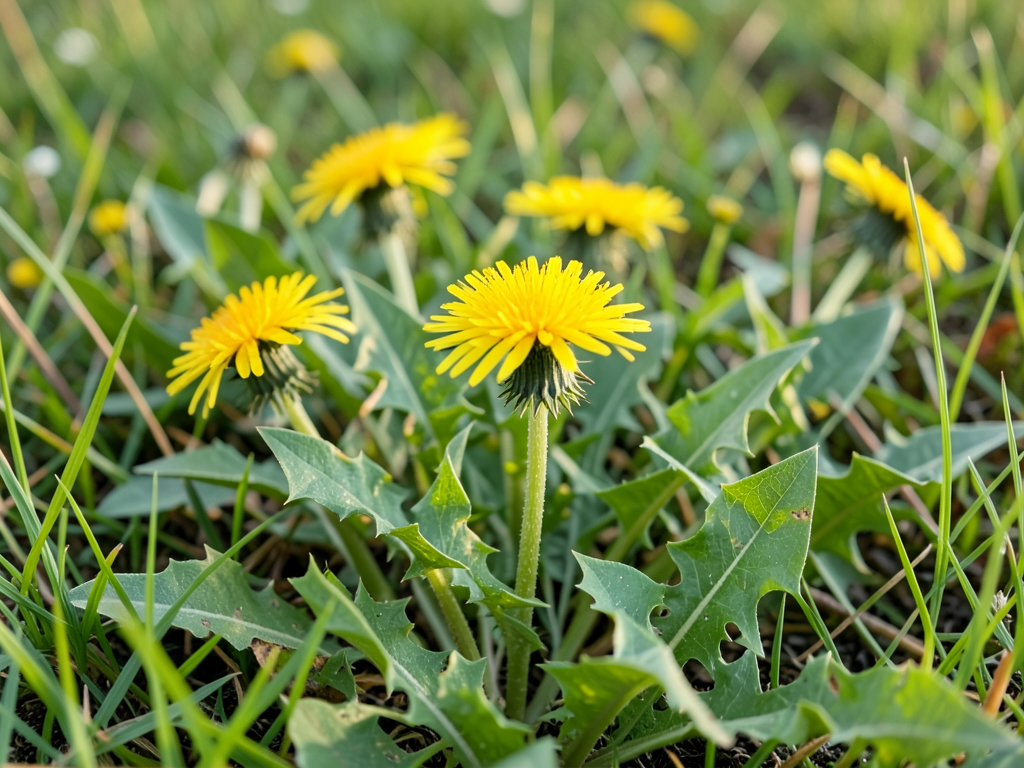
How to eat it: Young leaves are great raw in salads with a sharp vinaigrette to balance the bitterness. Flower buds sauté in butter with garlic. Flowers battered and fried make surprisingly good fritters — crispy edges, slightly sweet center. My go-to: dandelion pesto made with young leaves, walnuts, garlic, olive oil, and parmesan.
2. Stinging Nettle (Urtica dioica)
Nobody forgets their first nettle sting. That tingling burn that lasts for hours is actually a sign you’ve found one of the most nutritious plants on the planet. The irony is almost poetic.
Identification: Opposite, serrated leaves with a heart-shaped base, square stems covered in fine stinging hairs, growing 2–6 feet tall in dense colonies. They love rich, disturbed soil — riverbanks, forest edges, old farmsteads, and the edges of compost piles.
What to harvest: Only the top 4–6 inches of young plants in spring. Once nettles flower, the leaves develop cystoliths — microscopic calcium carbonate structures that can irritate the kidneys. The harvest window is roughly March through May depending on your latitude.
How to eat it: Blanching for 30 seconds neutralizes the sting completely. After that, use nettles anywhere you’d use spinach — soups, quiches, pasta fillings, or simply sautéed with garlic and lemon. Nettle soup with potato and cream is a spring classic for a reason. The cooking water makes an excellent tea: grassy, mineral-rich, and surprisingly good with honey.
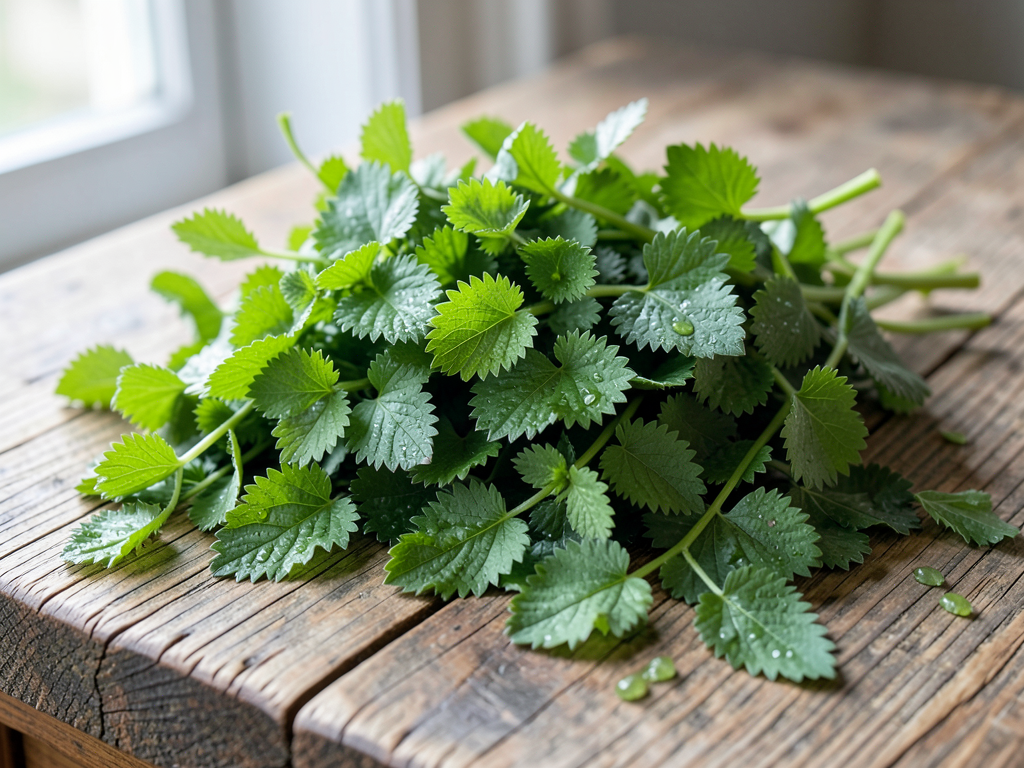
Gear tip: Wear rubber-dipped gardening gloves. Fabric gloves won’t cut it — the hairs go right through.
3. Ramps / Wild Leeks (Allium tricoccum)
Ramps have a cult following among chefs and foragers that borders on obsession. Whole festivals are built around them in Appalachia. The flavor is a cross between garlic, onion, and something uniquely wild.
Identification: Two to three broad, smooth, lance-shaped leaves emerging directly from the ground in early spring (usually March–April), with a distinct onion-garlic smell when crushed. The leaves die back before the flower stalk appears in summer. Found in rich, moist deciduous forests, often in large colonies on north-facing slopes.
What to harvest: This is where you need to be careful. Ramp populations are declining due to over-harvesting. Only take one leaf per plant, and never more than 5% of a patch. The bulb takes 5–7 years to mature from seed. Taking the whole plant kills it. Taking one leaf lets it survive and reproduce.
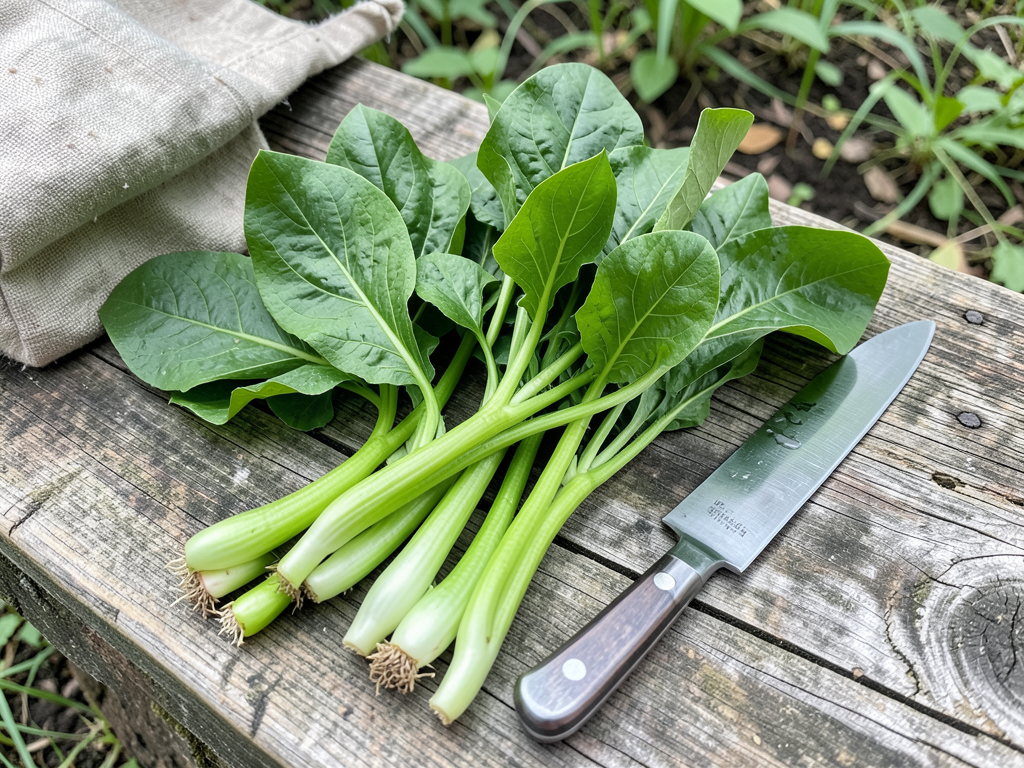
How to eat it: Ramp butter — finely chopped raw leaves mixed into softened butter with salt — is life-changing on grilled bread. Ramp pesto is excellent. The leaves also pickle beautifully and make a compound butter that freezes well for months.
4. Chickweed (Stellaria media)
Chickweed is the plant that made me realize foraging could actually taste good. Before chickweed, I thought wild greens were something you tolerated for nutrition. Chickweed tastes like baby corn silk crossed with fresh lettuce — mild, sweet, and genuinely pleasant raw.
Identification: Low-growing, sprawling plant with tiny white star-shaped flowers (five deeply cleft petals that look like ten), a single line of fine hairs running along one side of the stem (this is your key identification feature), and oval, opposite leaves. The “single line of hairs” trait is unique and foolproof.
What to harvest: The top 3–4 inches of stems, leaves, and flowers. Chickweed grows in dense mats in gardens, fields, and disturbed ground. It’s one of the first greens to appear in late winter/early spring and sticks around until summer heat kills it back.
How to eat it: Raw in salads is best — it’s tender enough that cooking seems like a waste. But it also works in pesto, as a garnish on soups, or wilted briefly into pasta. One of my favorite simple spring lunches: chickweed, shaved radish, and soft-boiled egg on toast with flaky salt.
5. Violet (Viola sororia and related species)
Common blue violets are the flowers everyone’s grandmother pointed out but nobody realizes are edible. Both leaves and flowers are safe to eat, and the flowers make one of the prettiest garnishes available to a home cook.
Identification: Heart-shaped leaves with scalloped edges, five-petaled purple-blue flowers (occasionally white) with a distinctive spur at the back. The flowers appear in early to mid-spring. No dangerous lookalikes — any wild violet (Viola) species is edible.
What to harvest: Young leaves (mild, slightly mucilaginous — good for thickening soups) and open flowers. Harvest flowers on a dry, sunny day when they’re fully open.
How to eat it: Candied violets are the showstopper — brush flowers with egg white, dust with superfine sugar, and let dry overnight. They keep for months and transform a simple cake into something that looks professionally decorated. Violet-infused vinegar turns a shocking magenta and makes an excellent salad dressing. The leaves work in spring green mixes.
6. Garlic Mustard (Alliaria petiolata)
Garlic mustard is an invasive species in North America, which means you can harvest it with zero guilt. In fact, land managers will thank you for pulling it. It’s one of the few plants where aggressive harvesting is an ecological service.
Identification: First-year plants form a low rosette of kidney-shaped leaves with scalloped edges. Second-year plants send up a 1–3 foot stalk with triangular, toothed leaves and small white four-petaled flowers in clusters at the top. The definitive test: crush a leaf — it smells unmistakably like garlic.
What to harvest: Young first-year leaves are the mildest. Second-year leaves are more pungent. The flower buds (like tiny broccoli) and flowers are also edible. Roots can be used like horseradish.
How to eat it: Young leaves work well in pesto — they have enough garlic flavor that you can reduce the actual garlic. Sauté older leaves as a side green. The flower buds stir-fried with oil and salt are genuinely excellent, like a wild version of broccolini. Garlic mustard and potato soup is a spring staple in my kitchen.
7. Japanese Knotweed (Reynoutria japonica)
This one surprises people. Japanese knotweed is one of the most destructive invasive plants in the world — it can grow through asphalt, undermine building foundations, and cost landowners thousands in removal. It also happens to taste like rhubarb.
Identification: Young spring shoots look like red-green asparagus spears with distinct nodes, emerging from last year’s dead, hollow, bamboo-like canes. They grow terrifyingly fast — up to 4 inches per day in peak spring. The shoots are tender when 6–12 inches tall, before the leaves fully unfurl.
What to harvest: Young shoots only, when they snap cleanly like asparagus. Once the stem gets fibrous and doesn’t snap, it’s too mature. Important: Never harvest from areas that may have been sprayed with herbicide. Japanese knotweed is frequently treated with glyphosate by municipalities.
How to eat it: Use exactly like rhubarb. Stewed with sugar into a compote, baked into crumbles and pies, or cooked down into a tangy sauce for roasted meats. The flavor is tart, lemony, and surprisingly complex. Japanese knotweed crumble with vanilla ice cream will change how you think about “invasive species management.”
8. Lamb’s Quarters (Chenopodium album)
Lamb’s quarters is sometimes called “wild spinach” and the nickname is earned. It’s in the same family as quinoa and amaranth, and the leaves cook down into something remarkably similar to spinach — but with a more buttery, nutty flavor.
Identification: Erect plant growing 3–6 feet tall, with diamond-shaped, toothed leaves covered in a fine, mealy white powder on the underside (especially young leaves). The “goosefoot” leaf shape gives it the genus name Chenopodium (Greek for “goose foot”). Found in gardens, farm fields, and disturbed soil everywhere.
What to harvest: Young leaves and tender stem tips throughout spring. The plant keeps producing new growth well into summer if you keep harvesting it.
How to eat it: Sauté with olive oil, garlic, and a splash of lemon — honestly, that’s all it needs. The young leaves can also be eaten raw in moderation. The seeds (in late summer) can be harvested and cooked like quinoa, though the yield per plant is small.
Safety note: Lamb’s quarters contains oxalic acid, so eat it cooked rather than raw if you’re sensitive to oxalates. The cooking water should be discarded.
9. Wild Garlic / Field Garlic (Allium vineale)
Not to be confused with ramps, field garlic is the weedy Allium that invades lawns and makes your mower smell like an Italian kitchen. It’s much more common than ramps and much less ecologically fragile — harvest freely.
Identification: Thin, round, hollow leaves that look like chives but smell distinctly of garlic-onion when crushed. They emerge in late winter/early spring in lawns, fields, and roadsides. In summer, they produce bulbils at the top of wiry stalks.
What to harvest: The tender green tops work like chives. The small underground bulbs can be dug and used like garlic cloves, though they’re fiddly to clean. Harvest leaves throughout spring before they start to yellow.
How to eat it: Chop fresh into scrambled eggs, fold into compound butter, mix into cream cheese for bagels, or use as a garnish on soups and potatoes. The flavor is milder than ramps but more complex than chives. I keep a jar of field garlic butter in my fridge all spring.
10. Violet Wood Sorrel (Oxalis violacea) and Common Wood Sorrel (Oxalis stricta)
Wood sorrel is the plant with heart-shaped clover-like leaves that tastes like green apple candy when you chew it. Kids figure this out instinctively. Adults sometimes need convincing.
Identification: Three heart-shaped leaflets (like clover but with a distinct fold down the center), five-petaled flowers (pink, yellow, or white depending on species), and a sharp, lemony flavor when chewed. Common wood sorrel (O. stricta) has yellow flowers. Violet wood sorrel (O. violacea) has pink-purple flowers.
What to harvest: Leaves, flowers, and tender stems. Harvest moderately — the plant contains oxalic acid, so it’s a flavoring ingredient rather than a main vegetable.
How to eat it: Scatter a handful over a salad for a citrusy punch. Muddle into cocktails where you’d use lemon. Fold into fish dishes or ceviche. The flowers make a pretty, tangy garnish. Wood sorrel and goat cheese on a cracker is a perfect bite.
Foraging Safety: Rules That Keep You Alive
Every foraging guide includes safety rules, and they all start to sound the same after a while. But these rules exist because people keep making the same mistakes — and some of those mistakes are permanent.
The Universal Edibility Test Is Not a Shortcut
The “Universal Edibility Test” that appears in survival manuals involves touching a plant to your lips, waiting, chewing a small amount, waiting, and gradually increasing the dose over 24 hours. It’s designed for life-or-death survival situations where you’ll starve otherwise. It is not a casual foraging technique. Some toxins work in hours, not minutes. Some cause cumulative damage you won’t notice until days later. Do not use the edibility test for recreational foraging. Use positive identification.
100% Positive Identification — Every Single Time
You must be able to identify a plant to species level with 100% confidence before eating it. Not 90%. Not “it looks like the picture.” One hundred percent.
The process I recommend:
- Use at least two field guides (one with photographs, one with botanical illustrations — they show different details).
- Check multiple identification features: leaf shape, leaf arrangement, stem type, flower structure, habitat, season, smell, and (for some plants) taste.
- If the plant could possibly be confused with something toxic, walk away. There are always other plants.
- Have someone experienced confirm your first identifications in person. Plant ID apps are a starting point, not an endpoint.
The Lookalike Problem
This is the most dangerous gap in foraging education. Several common edible plants have toxic lookalikes that grow in the same habitat at the same time:
| Edible Plant | Toxic Lookalike | Key Difference |
|---|---|---|
| Wild carrot (Queen Anne’s lace) | Poison hemlock | Hemlock has purple-spotted, hairless stems; wild carrot has hairy stems |
| Wild garlic/onion | Death camas | All true alliums smell like onion/garlic when crushed; death camas has no odor |
| Wild grapes | Canada moonseed | Moonseed has a single crescent-shaped seed; grapes have multiple round seeds |
| Blueberries | Pokeweed berries | Blueberries have a five-pointed crown; pokeweed berries hang from bright pink stems |
| Sweet cicely | Poison hemlock | Sweet cicely leaves smell like anise when crushed; hemlock smells musty and unpleasant |
The rule: if you’re not absolutely certain you can tell them apart, don’t harvest either one.
Harvesting Location Matters
Where you pick matters as much as what you pick:
- Avoid roadsides within 50 feet of traffic — plants accumulate heavy metals and exhaust residue.
- Avoid railroad rights-of-way — these are routinely sprayed with herbicides that persist in soil for years.
- Avoid conventional farm field edges where pesticide drift is likely.
- Avoid dog-walking areas and popular park trails where ground-level contamination is concentrated.
- Avoid water downstream from industrial sites or conventional agriculture.
- Ask permission on private land. On public land, check local regulations — many parks prohibit plant removal entirely.
Harvesting Ethics and Sustainability
The foraging community has a saying: “Take only what you need, leave only footprints.” It’s a good start, but ethical harvesting requires more specific guidance.
The 1-in-20 Rule
Never harvest more than 5% of any plant population you find. If you count 20 dandelion plants, take from one. If you find a ramp patch with 200 leaves, take ten at most. This rule protects the plant population’s ability to reproduce and maintain genetic diversity.
For plants where you harvest the whole plant (roots, bulbs): only harvest from populations of 50+ individual plants, and never more than 2%.
Know Your At-Risk Species
Some wild edibles are genuinely threatened by over-harvesting. Ramps (Allium tricoccum) are the most prominent example — they’re listed as a species of conservation concern in several states due to commercial harvesting for restaurant markets. Ginseng (Panax quinquefolius) is another. If you’re harvesting these, you need to be extra conservative, or better yet, cultivate them instead.
Cultivation as an Alternative
The best way to enjoy wild foods sustainably is to bring them into your garden. Many spring wild edibles — nettles, dandelions, chickweed, lamb’s quarters, wood sorrel — will happily naturalize in the right spot. You get the same flavors without impacting wild populations. I have a dedicated “wild corner” in my garden where nettles and chickweed are allowed to do whatever they want. The rest of the garden stays weeded. Everyone wins.
Harvesting, Cleaning, and Storing Spring Wild Greens
Once you’ve identified and ethically harvested your plants, the next step is getting them to the plate in good condition.
Field Harvesting Setup
A basic spring foraging kit:
- Breathable bags — paper bags or cloth sacks, never plastic. Plastic makes greens wilt and ferment within hours.
- Scissors or a sharp knife — for clean cuts that heal quickly.
- Gloves — thin rubber-dipped for nettles and general use, heavier leather for thorny plants.
- Field guides — at least two, ideally one keyed to your specific region.
- A notebook and phone camera — document plants you’re uncertain about for later research.
Cleaning
Most wild greens need more cleaning than cultivated produce. They’ve been living outdoors, and they collect:
- Dirt and grit in leaf crevices
- Small insects (aphids love tender spring growth)
- Debris from surrounding plants
The method: fill a large bowl or clean sink with cold water. Submerge greens completely and agitate gently. Let them sit for 5 minutes — the grit sinks, the greens float. Lift them out (don’t pour through a colander — that pours the grit back onto the greens). Repeat until the water stays clear. A salad spinner is excellent for drying foraged greens.
Short-Term Storage
Most spring greens will keep 3–5 days in the refrigerator if stored properly. Wrap them loosely in a barely-damp paper towel and place in a partially open plastic bag in the crisper drawer. The goal is high humidity without standing water. Check after a day — if condensation is forming inside the bag, open it more.
Preservation
Nettles, lamb’s quarters, and garlic mustard all freeze well after blanching. Blanch in boiling water for 30–60 seconds, shock in ice water, squeeze out excess moisture, and freeze in portions. They’ll keep six months and work perfectly in soups and sautés. Dandelion greens don’t freeze well — they’re best fresh. Ramps can be made into compound butter or pesto and frozen. Violets are best candied or infused into vinegar.
Three Simple Spring Wild Food Recipes
These are the recipes I make every spring — simple enough for a weeknight, impressive enough for when someone asks “wait, you picked this yourself?”
Nettle and Potato Soup
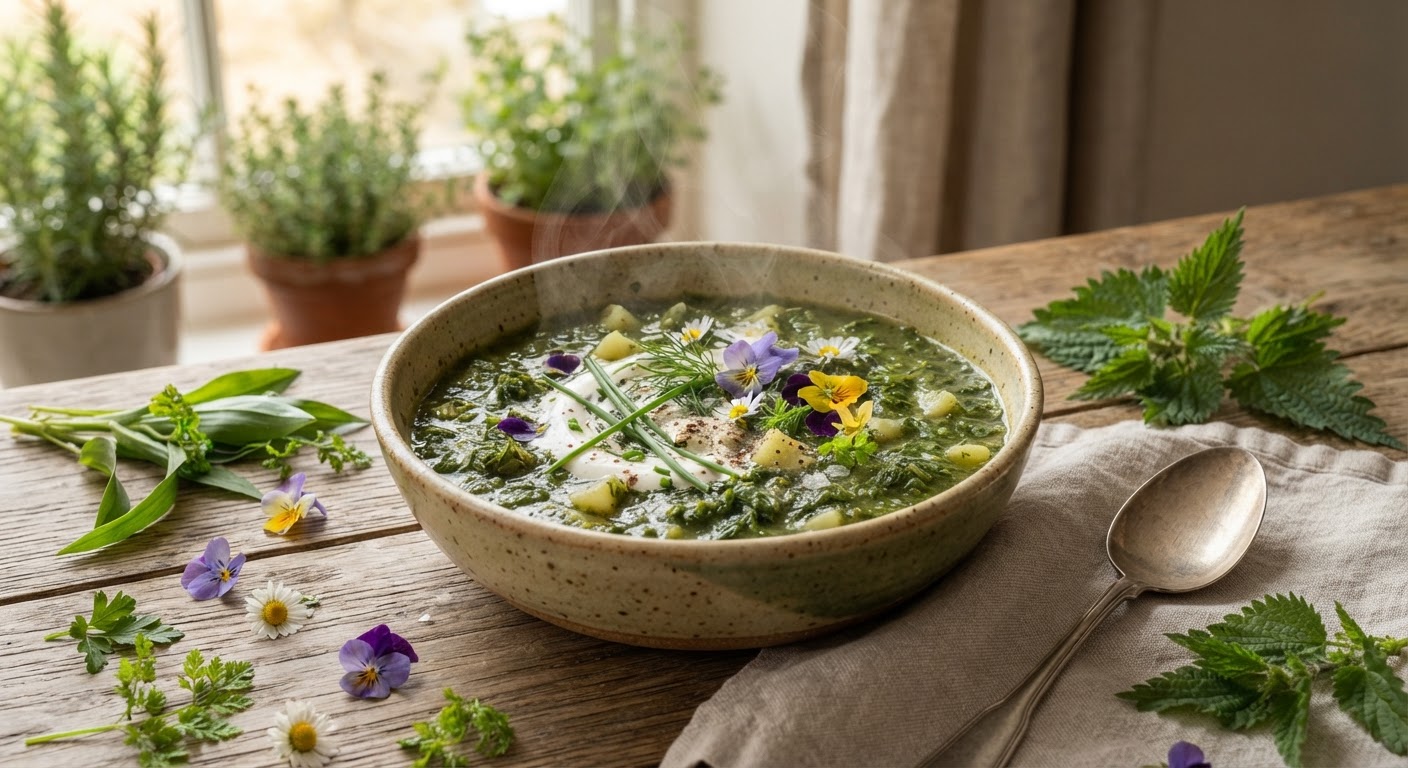
Heat olive oil in a pot. Sauté one diced onion and two cloves of garlic until soft. Add three diced potatoes and enough vegetable stock to cover. Simmer until potatoes are tender, about 15 minutes. Add one packed cup of blanched, chopped nettle leaves. Simmer 5 more minutes. Blend until smooth (or leave chunky). Season with salt, pepper, and a splash of cream. Serve with crusty bread.
Dandelion Flower Fritters
Pick 20–30 fully open dandelion flowers on a dry, sunny day. Make a simple batter: 1 cup flour, 1 egg, ¾ cup milk (or sparkling water for lighter fritters), pinch of salt. Heat ½ inch of neutral oil in a pan. Dip each flower in batter, let excess drip off, and fry until golden — about 90 seconds per side. Drain on paper towels, sprinkle with flaky salt, and eat immediately. They taste like a combination of a savory pancake and a fried squash blossom.
Wild Spring Greens Pesto
In a food processor: 2 cups mixed wild greens (nettle tips, garlic mustard leaves, dandelion leaves, chickweed), ½ cup walnuts or pine nuts, 2 cloves garlic, ½ cup grated parmesan, juice of half a lemon, and enough good olive oil to bring it together. Blend, taste, adjust salt. This pesto changes every time you make it because the greens vary, and that’s the point. Spread on toast, toss through pasta, or dollop on grilled fish.
FAQ About Spring Foraging
How do I know if a plant is safe to eat?
Positive identification using multiple field guides and multiple features. Never rely on a single characteristic or a plant ID app alone. If you’re not 100% certain, don’t eat it.
What’s the easiest spring plant for complete beginners?
Dandelion. Everyone knows what it looks like, it has no dangerous lookalikes, and every part is edible. Start here. Move on to chickweed and garlic mustard once you’re comfortable.
Can I forage in city parks?
Check local regulations first. Many urban parks prohibit plant removal. Even where it’s legal, be mindful of chemical exposure — avoid areas near roads, manicured lawns (pesticides), and high-traffic dog areas. Community gardens and private yards (with permission) are often better options.
When exactly is spring foraging season?
Depends on your region. In the southern US, “spring” plants may appear as early as February. In the Northeast and Midwest, mid-March through May is the main window. In the Pacific Northwest, the season starts early and stretches longer due to mild temperatures. The plants don’t follow a calendar — they follow temperature and day length.
Do I need a permit to forage on public land?
In the US, National Forests generally allow personal-use foraging without a permit (check specific forest regulations). National Parks prohibit it entirely. State parks and wildlife management areas vary widely. Bureau of Land Management (BLM) lands generally allow personal-use foraging. Always check before you go.
What about foraging in the UK?
In the UK, foraging for personal use is generally permitted under the “foraging for the four Fs” principle — fruit, foliage, fungi, and flowers — as long as you’re not uprooting plants without landowner permission (illegal under the Wildlife and Countryside Act 1981). Many common spring plants discussed here — nettles, dandelions, chickweed, wild garlic — are abundant in the UK. Always check local bylaws.
Final Thoughts: Start Small, Build Confidence
The biggest mistake I see new foragers make isn’t misidentifying plants — it’s trying to learn too many at once. They come home with a field guide and try to memorize fifty species in an afternoon. It doesn’t work. The plants blur together. The subtle differences get lost.
Here’s what works: pick three plants for your first spring. Learn them deeply — not just what they look like, but where they grow, when they appear, how they change through the season, and how they taste at different stages. Cook with them. Get comfortable. Once those three are automatic, add two more.
By your third spring, you’ll walk through the woods and see food everywhere. You’ll spot the garlic mustard before you even register it consciously. You’ll recognize the blue-green flash of lamb’s quarters from a moving car. The landscape transforms from a green blur into a readable text.
That’s the real reward of foraging. Not the free food — though that’s nice. It’s the literacy. The ability to read the land.
Spring is the right time to start. The plants are waiting.
For more seasonal foraging guides, check out our articles on summer wild edibles and foraging kit essentials. Always forage responsibly — when in doubt, leave it out.