Most edible wild plant guides operate on a simple principle: if you can eat it, it makes the list. That’s useful if you’re stranded in the woods. It’s significantly less useful if you’re standing in your backyard at 5 PM on a Tuesday, staring at three different weeds, wondering which one won’t make your family ask for takeout instead.
This guide takes a different approach. Instead of handing you another list of “edible” plants, it compares them — side by side — on the metrics that matter when you’re actually cooking dinner: taste, prep time, nutritional payoff, and beginner safety. Some plants on this list deserve a permanent spot in your weekly meal rotation. Others are fine in a survival situation but won’t outcompete spinach from the grocery store. Knowing which is which saves you hours of trial and error.
Let’s sort the signal from the noise.
The Quick Comparison: All 8 Plants at a Glance
If you’re skimming, this table is your answer. It compares eight of the most commonly available wild greens across temperate North America on five practical dimensions.
| Plant | Flavor Profile | Prep Time | Nutrition Standout | Beginner Safety | Best Use |
|---|---|---|---|---|---|
| Dandelion | Bitter, peppery (young) → aggressively bitter (old) | 2 min (rinse) | Vitamin A, K, calcium | ⭐⭐⭐⭐⭐ Unmistakable | Raw salads, sautéed greens, fritters |
| Stinging Nettle | Spinach-like, savory, slightly mineral | 5 min (blanch to disarm) | Iron, protein (3g/cup), vitamin C | ⭐⭐⭐⭐ Stinging hairs are obvious ID | Soups, pesto, tea, spanakopita |
| Lamb’s Quarters | Mild spinach, slightly nutty | 2 min (rinse) | Calcium, vitamin A, protein | ⭐⭐⭐⭐ White powder under leaf is unique | Anywhere you’d use spinach |
| Purslane | Slightly sour, lemony, crunchy | 2 min (rinse) | Omega-3 fatty acids (highest of any leafy green) | ⭐⭐⭐⭐⭐ Succulent stems are unique | Raw salads, tacos, stir-fries |
| Chickweed | Mild, corn-like sweetness | 1 min (rinse) | Vitamin C, saponins | ⭐⭐⭐⭐ Single hair-line on stem is diagnostic | Raw salads, sandwiches, 30-sec sauté |
| Wild Garlic / Ramps | Strong garlic-onion, pungent | 2 min (chop) | Allicin, vitamin C | ⭐⭐⭐⭐⭐ Smell test is definitive | Compound butter, pesto, soups |
| Garlic Mustard | Garlicky kick + mustard heat | 2 min (rinse) | Vitamin A, C | ⭐⭐⭐⭐ Garlic smell when crushed | Pesto, sautéed, salads |
| Broadleaf Plantain | Mild, mushroom-spinach | 5 min (strip veins if old) | Vitamin K, allantoin | ⭐⭐⭐⭐⭐ Parallel veins are unmistakable | Sautéed, chips, medicinal poultice |
A few things jump out immediately. Dandelion and plantain are the safety champions — borderline impossible to misidentify. Purslane owns the nutrition category thanks to its omega-3 content, which is wildly unusual for a leafy green. Stinging nettle requires a blanching step to disarm its stingers, but the nutritional payoff is substantial enough to justify the extra five minutes.
The bottom row is the real insight: if you only learn three plants from this list, make them dandelion, purslane, and wild garlic. Between those three, you’ve covered salads, cooked greens, and a flavor base for pretty much any dish.
Head-to-Head Matchups: Which Plant Wins?

Comparisons only get interesting when you put similar plants against each other. These four matchups pit plants with overlapping culinary uses against each other so you can decide which one deserves the limited real estate in your foraging basket.
Matchup 1: Dandelion vs Lamb’s Quarters — The “Everywhere Green” Battle
These two dominate the “growing in a crack in your driveway” category. You’ll find both without leaving your neighborhood. But they cook very differently.
Dandelion brings bitterness — the kind that makes a salad interesting rather than bland. The bitterness comes from sesquiterpene lactones, the same compounds that give chicory and radicchio their bite. This is a feature, not a bug, if you know how to work with it. Pair dandelion with fat (olive oil, bacon, cheese) and acid (lemon, vinegar) and the bitterness transforms into a backbone for the dish.
The catch: dandelion has a narrow harvest window. Before the flower opens, the leaves are pleasantly bitter. After blooming, they turn aggressively bitter — still edible, but you’ll need to boil them in two changes of water to tame them, which also leaches out most of the nutrients you’re after.
Lamb’s quarters is the opposite. It tastes like spinach with a slightly nutty edge and stays mild through its entire growth cycle — from spring emergence through late summer seeding. The white powdery coating on the leaf underside (which rinses off easily) is a one-feature ID that separates it from lookalikes. It contains more calcium than spinach and as much protein as broccoli, gram for gram.
Winner: Lamb’s quarters for consistency and versatility. Dandelion for character — if you enjoy bitter greens, there’s nothing quite like it. But if you’re cooking for people who side-eye anything green on their plate, start with lamb’s quarters.
Matchup 2: Stinging Nettle vs Purslane — Nutrition Heavyweights
Both of these plants outclass spinach nutritionally, but they occupy completely different lanes.
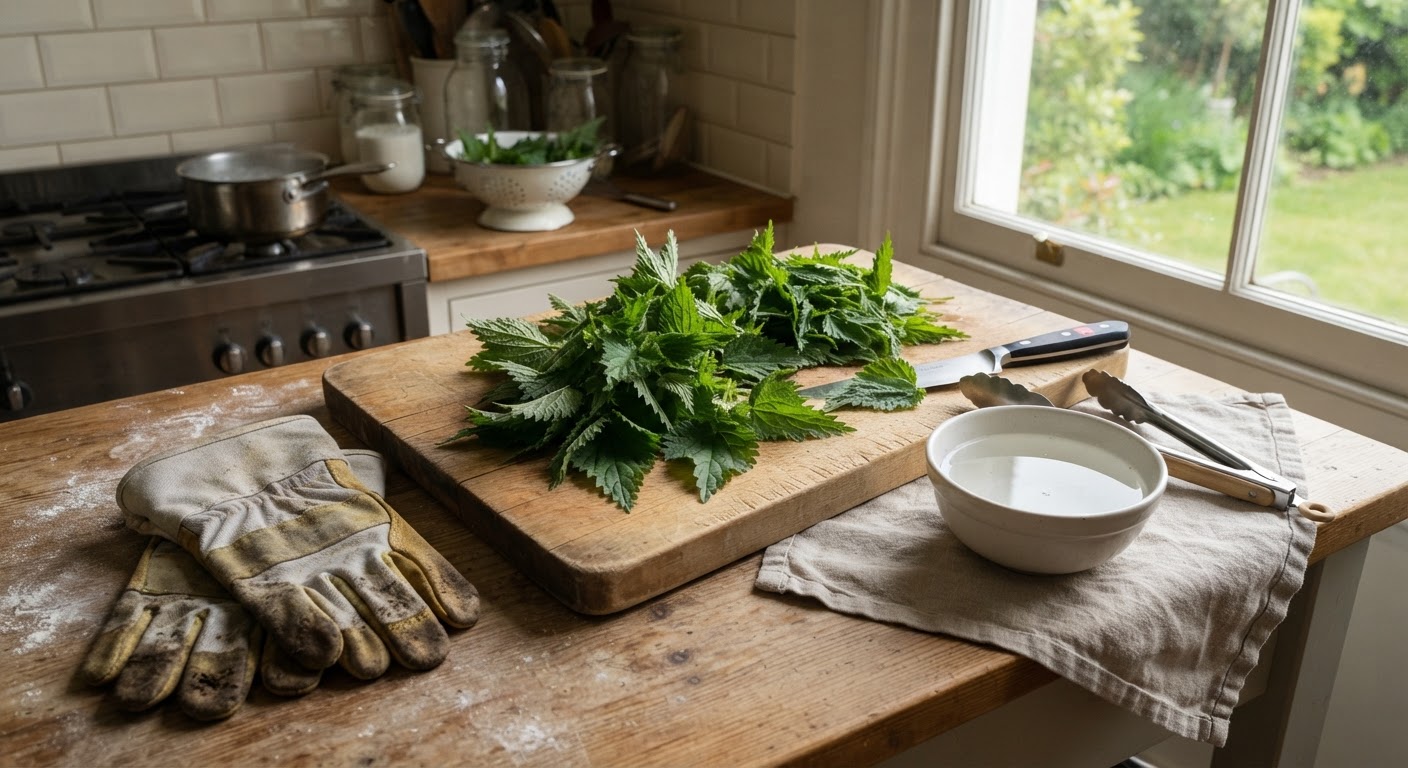
Stinging nettle is the highest-protein leafy green on this list, clocking roughly 3 grams of protein per cooked cup. It’s also loaded with iron, calcium, and vitamin C. The catch — and it’s a literal sting — is that raw nettle leaves inject formic acid, histamine, and serotonin through tiny glass-like hairs. Five seconds of blanching in boiling water permanently disarms them, after which nettles behave like any cooked green.
The flavor after blanching is mild and savory — think spinach with more depth. Nettles work brilliantly in soups, pesto, and anywhere you’d use cooked spinach. A personal favorite: substitute blanched nettles for spinach in spanakopita and watch people ask what the “special ingredient” is.
Purslane is a nutrition anomaly. It’s the richest plant source of alpha-linolenic acid (an omega-3 fatty acid) of any leafy green, and its crunchy, slightly sour leaves and stems add texture that most greens lack. You can eat it completely raw. The thick, reddish, succulent stems are a dead giveaway for identification — nothing dangerous looks like purslane.
Winner: Purslane for convenience (zero cooking required) and unique nutritional profile. Nettle if you prioritize protein and don’t mind the blanching step. The smart move: learn both.
Matchup 3: Wild Garlic vs Garlic Mustard — The Allium Alternatives
Both plants taste like garlic. Both show up in early spring. Both can be turned into pesto. But they’re not interchangeable.
Wild garlic (and its North American counterpart, ramps) is a true Allium — related to cultivated garlic and onions. The smell test is foolproof: crush a leaf between your fingers and sniff. If it smells like garlic, you’re safe. If it doesn’t, you might be holding lily of the valley, which is toxic and grows in the same habitat. This single test has prevented more foraging injuries than any other ID technique I know.
The flavor is potent but not harsh — wild garlic blends into dishes the way cultivated garlic does, lending background depth rather than front-and-center punch. Ramps have a stronger, more sulfurous character that devotees describe as “garlic crossed with scallion, with a funky finish.” They’re polarizing in the best way.
Garlic mustard is an invasive species across North America, which means harvesting it is ecological good karma. The leaves smell like garlic when crushed, but the flavor includes a mustard-heat finish that wild garlic lacks. This makes garlic mustard better suited to raw applications — pesto, salads, sandwich greens — where the heat can shine. Cooked, the mustard character mellows substantially.
Winner: Wild garlic/ramps for deep, savory garlic character that works in any cooked dish. Garlic mustard for raw pesto applications and the moral satisfaction of eating an invasive species.
Matchup 4: Chickweed vs Broadleaf Plantain — The Beginner’s Choice
These are the two plants I recommend to people who’ve never foraged anything in their lives.
Chickweed grows in dense, low mats across lawns and garden beds. The identification is surprisingly elegant: tiny white flowers with five petals so deeply split they appear as ten, and a stem with a single line of fine hairs running along one side. Rotate the stem between your fingers and the hair line appears, disappears, appears again — no other common lawn plant has this feature. The taste is mild and faintly sweet, like lettuce with a hint of corn silk. It wilts fast, so cook it briefly — 30 seconds in a hot pan with butter is the ceiling.
Broadleaf plantain is the plant growing in the crack of your sidewalk right now. Those parallel veins — five to nine of them running from stem to tip — make identification trivial. Young leaves taste like mild spinach with a mushroom undertone. Older leaves get stringy, but you can strip the veins out before cooking. Bonus feature: crushed plantain leaves make a decent field poultice for insect bites and minor scrapes.
Winner: For pure taste, chickweed. For year-round availability and foolproof identification, plantain. If you have a lawn, you have both — learn chickweed first for salads, plantain for cooked greens.
Three Wild Greens You Can Probably Skip
Not every edible wild plant earns its spot in your kitchen. These are the ones I’ve tried multiple times and still can’t recommend enthusiastically.
Wood sorrel (Oxalis) — tastes like lemon candy and looks like clover. Fun to nibble on a hike, terrible as an actual food ingredient. It contains oxalic acid, which gives it the sour kick but also makes it unsafe in large quantities for people with kidney issues. Use it as a garnish, not a side dish.
Cattail shoots — yes, the young shoots are edible. Yes, they taste vaguely like cucumber crossed with nothing. The effort-to-reward ratio here is abysmal. You’ll wade into a marsh, peel layers of fibrous outer leaves, and end up with something that makes iceberg lettuce seem exciting. The pollen and rhizomes have more culinary potential than the shoots.
Japanese knotweed — aggressively invasive and legitimately tasty when harvested young (tastes like rhubarb), but the risk of harvesting from herbicide-treated stands is real. Municipalities spray this stuff heavily. Unless you know the patch’s history, skip it.
Prep Methods Compared: The Fastest Way to Get Wild Greens on a Plate
| Method | Best For | What It Does | Time | Plants That Shine |
|---|---|---|---|---|
| Raw (salad) | Mild or interesting greens | Preserves texture, full nutrient retention | 1–2 min | Purslane, chickweed, garlic mustard, young dandelion |
| Quick sauté | Medium-textured greens, weeknight cooking | Wilts leaves, concentrates flavor, adds fat | 3–5 min | Lamb’s quarters, young plantain, wild garlic |
| Blanch then cook | Greens with stingers, bitterness, or toughness | Disarms stingers, tames bitterness, softens texture | 5–7 min | Stinging nettle, older dandelion, older plantain |
| Pesto (raw blend) | Aromatic greens with strong flavor | Preserves volatile flavor compounds | 5 min | Wild garlic, garlic mustard, nettle (blanched first) |
| Soup / stew | Any green that holds up to liquid | Extracts flavor into broth, distributes greens | 15–30 min | Nettle, lamb’s quarters, dandelion |
If you remember one thing from this section: blanch nettles before doing anything else with them. The stinging hairs disarm completely in boiling water within seconds, and the color brightens to a vivid green that signals the transformation is done.
Your 3-Plant Starter Kit
Learning eight plants at once is how people get overwhelmed and quit. Start with three, build confidence, and expand from there.
Any backyard: Dandelion, purslane, broadleaf plantain. These three grow everywhere, look like nothing dangerous, and cover your bases — a bitter green, a mild crunchy green, and a cooked green. You can harvest all three without leaving your yard.
Nearby woodland or trail: Wild garlic/ramps, stinging nettle, lamb’s quarters. Bring gloves for the nettle, a bag for the rest, and you’ll come home with enough material for multiple meals.
Urban park or vacant lot: Purslane, lamb’s quarters, chickweed. These three thrive in disturbed soil and rarely get sprayed (though avoid patches directly adjacent to roads or visibly treated areas).
FAQ
What’s the single safest edible wild plant for absolute beginners?
Dandelion. It’s the plant everyone already knows by sight. Every part is edible. No toxic lookalike shares all three of its key features: toothed leaves, hollow leafless flower stalk, and milky white sap. If you only learn one plant this season, make it dandelion.
Can I eat wild greens raw?
Some, yes — purslane, chickweed, young dandelion leaves, and garlic mustard are all excellent raw. Stinging nettle and older dandelion leaves need cooking. When in doubt, cook it — heat neutralizes a surprising number of plant defense compounds.
How do I know the plants haven’t been sprayed?
Look for other broadleaf weeds growing in the same patch — if you see a uniform green lawn with nothing but grass, it’s probably been treated with herbicide. Wild greens growing through sidewalk cracks, at the edge of parks, or in abandoned lots are usually unsprayed. Avoid patches within 30 feet of roads (road salt and runoff) and any area with suspiciously uniform plant die-off.
Which wild green tastes most like “normal” food?
Lamb’s quarters. It’s the closest thing to domesticated spinach you’ll find growing wild. Cook it exactly the same way — sauté with garlic and olive oil, salt, and a squeeze of lemon. Nobody will know it came from a vacant lot.
What’s the difference between wild garlic and garlic mustard?
Wild garlic is a true Allium (same family as cultivated garlic and onions) with a pure garlic-onion character. Garlic mustard is a mustard-family plant with a garlicky smell when crushed but a spicy, mustard-like finish in the mouth. Wild garlic works better in cooked dishes; garlic mustard shines raw in pesto and salads.