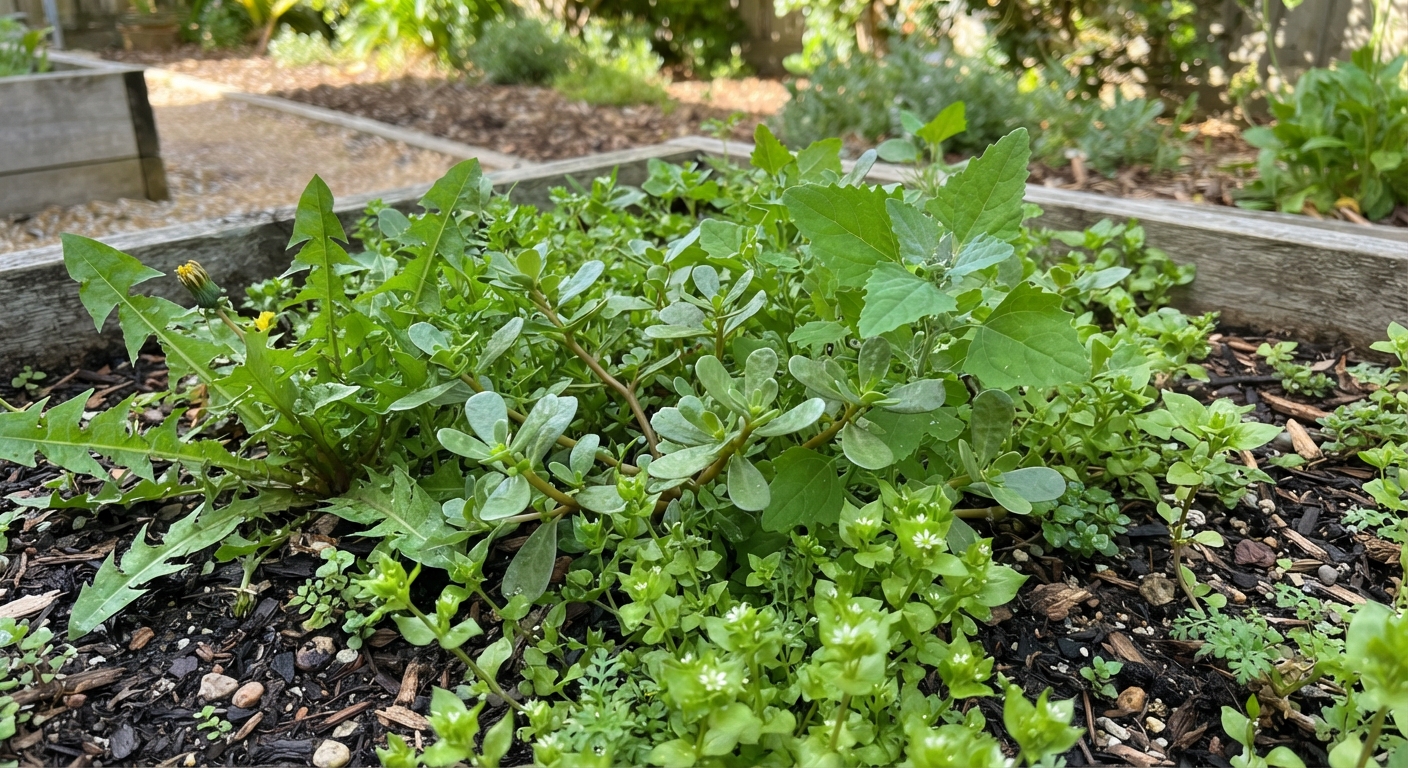
The average gardener wages a quiet war against weeds. Every weekend, millions of people crouch in flowerbeds and vegetable patches, yanking out plants they never planted, tossing them into yard waste bags without a second thought. What most don’t realize is that many of those “pesky invaders” are not only edible — they’re often more nutrient-dense than the vegetables growing in the same soil.
It sounds like a gardening joke, but the data backs it up. Purslane contains more omega-3 fatty acids than any other leafy green on the planet. Dandelion greens pack more vitamin A than carrots and more calcium than kale. Lamb’s quarters deliver protein levels that rival spinach, with far less water consumption. Your garden weeds aren’t just food — they’re some of the most nutritionally impressive plants growing on your property.
This guide covers ten of the most common edible weeds you’ll likely find in your garden right now. Every plant listed here grows abundantly across North America, Europe, and many parts of Asia. You don’t need special equipment or deep botanical knowledge to get started — just curiosity, caution, and a willingness to see your backyard differently.
Why Garden Weeds Make Exceptional Food
Before diving into individual plants, it’s worth understanding why weeds tend to be so nutritious. Unlike cultivated vegetables that have been bred over centuries for size, sweetness, and shelf stability, wild plants have never been tamed. They grow where conditions are harsh, roots probing deep into subsoil layers that garden vegetables can’t reach, pulling up minerals that have been depleted from the topsoil by years of farming and landscaping.
This mineral density translates directly into nutritional value. A 2014 study published in the Journal of the Science of Food and Agriculture found that wild greens consistently outperformed their cultivated counterparts in concentrations of magnesium, calcium, iron, and vitamin C. The same stress response that makes weeds tough to kill — their rapid growth, deep taproots, and chemical defenses — also makes them nutritional powerhouses.
There’s also a practical argument. These plants are already growing in your garden. You’re already “weeding” them. The only difference between wasting them and eating them is knowledge. You pay nothing for seeds, nothing for fertilizer, nothing for water beyond what nature provides. In an era of rising food costs, ignoring free, hyper-local, organic produce growing literally at your feet seems almost irresponsible.
Before You Eat: Safety Rules That Matter
A moment of seriousness before the fun begins. Foraging in your own garden is about as safe as foraging gets — you know what chemicals have been applied and what pets have visited — but plant misidentification can still happen. These rules are non-negotiable.
Rule 1: 100% identification before consumption. Never eat a plant you cannot identify with absolute certainty. Use at least three identifying features: leaf shape, flower type, growth habit, smell, or stem characteristics. Field guides with photographs (not just drawings) are essential. Apps like iNaturalist and PlantNet help, but they’re supplementary tools, not substitutes for real knowledge.
Rule 2: Know your garden’s chemical history. If you’ve sprayed herbicides, pesticides, or chemical fertilizers in the last two growing seasons, skip the weeds. These plants are bioaccumulators — they pull everything from the soil, including chemicals you don’t want in your body.
Rule 3: Avoid roadside and driveway edges. Even in your own yard, plants growing near driveways where cars drip oil, or along foundation edges where pressure-treated wood leaches chemicals, should be avoided. Stick to plants growing in interior garden beds, lawn areas away from roads, and raised beds.
Rule 4: Introduce new plants slowly. Your digestive system needs time to adjust to wild foods. Eat a small amount of any new plant (a few leaves, well-washed) and wait 24 hours before eating more. This isn’t just about allergic reactions — wild foods have different fiber profiles and enzyme loads than grocery store vegetables.
Rule 5: Harvest young and tender. Most edible weeds become bitter, tough, or unpalatable once they flower. Harvest leaves before the plant bolts, and pick from the newest growth near the tips.
10 Edible Weeds You Should Never Pull Out
1. Dandelion (Taraxacum officinale)
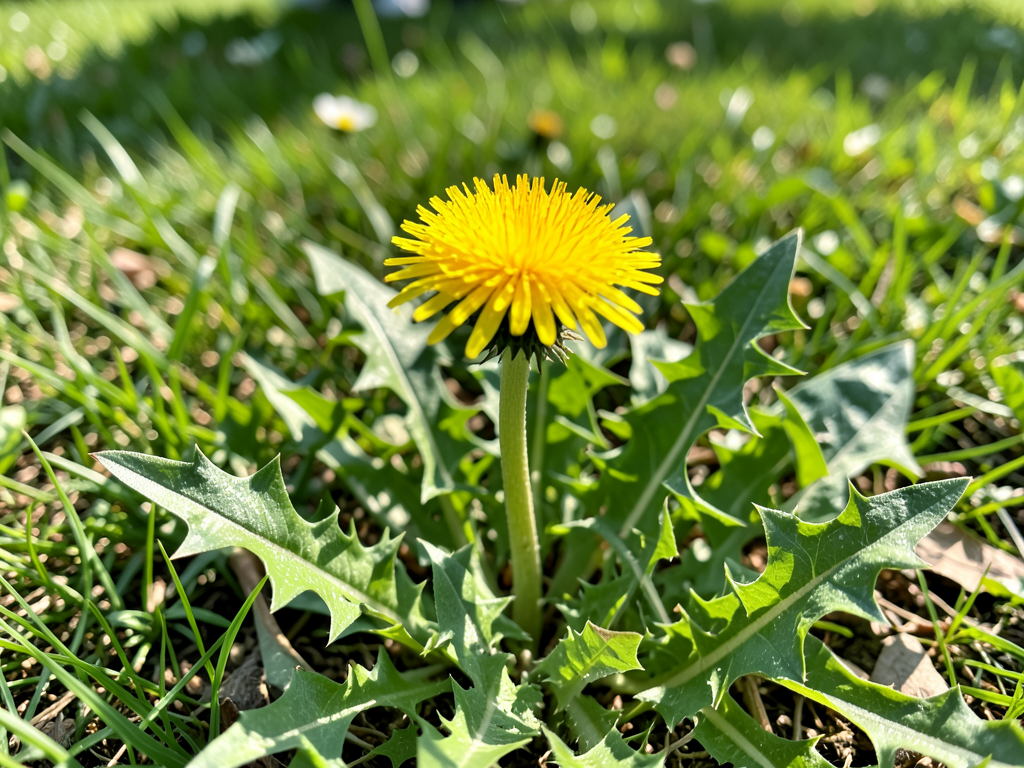
If you learn only one edible weed, make it dandelion. There’s a reason this plant appears in traditional medicine systems across every inhabited continent — it’s that valuable.
Every part of the dandelion is edible. The young leaves make a slightly bitter salad green that pairs beautifully with olive oil, lemon, and parmesan. The flowers can be battered and fried into fritters, steeped into a light tea, or fermented into a surprisingly good country wine. The roots, roasted and ground, produce a caffeine-free coffee substitute that’s been commercially popular in Europe for decades. Even the unopened flower buds can be pickled like capers.
Nutritionally, dandelion greens contain more vitamin A than carrots (by weight), more calcium than kale, and significant amounts of iron, potassium, and vitamins C, K, and B-complex. The bitter compounds that make some people wrinkle their nose — primarily taraxacin and taraxacerin — are the same compounds that stimulate digestive enzymes and support liver function.
How to identify: Dandelion has deeply toothed leaves (the name comes from the French dent de lion, “lion’s tooth”) that grow in a basal rosette directly from the taproot. The leaves are hairless, never fuzzy, and the stems exude a white, milky sap when broken. Flowers are bright yellow, composite (made of many tiny individual florets), and appear singly on hollow, unbranched stems. There are no toxic lookalikes that share all these features, but make sure you’re not confusing it with hairy cat’s ear (Hypochaeris radicata), which has fuzzy leaves.
Best time to harvest: Early spring leaves are the mildest. Flowers appear from late spring through fall.
2. Purslane (Portulaca oleracea)
Perhaps the most underrated plant on this list, purslane holds a distinction shared by almost no other leafy green: it’s one of the best plant-based sources of omega-3 fatty acids, specifically alpha-linolenic acid (ALA). Gram for gram, purslane contains more omega-3s than some fish oil supplements.
The leaves and stems have a pleasant, slightly lemony crunch — think of a cross between watercress and okra, but without the sliminess if eaten raw. The mucilaginous quality that develops lightly when cooked actually makes purslane an excellent thickener for soups and stews, similar to how okra or file powder works in gumbo.
Beyond omega-3s, purslane delivers high levels of vitamins A, C, and E, along with magnesium, calcium, potassium, and iron. It’s also rich in glutathione and betalain antioxidants — the same compounds that give beets their deep red color. Purslane has been eaten as a cultivated vegetable in India, Mexico, and the Mediterranean for thousands of years; in Mexico it’s sold in markets as verdolaga.
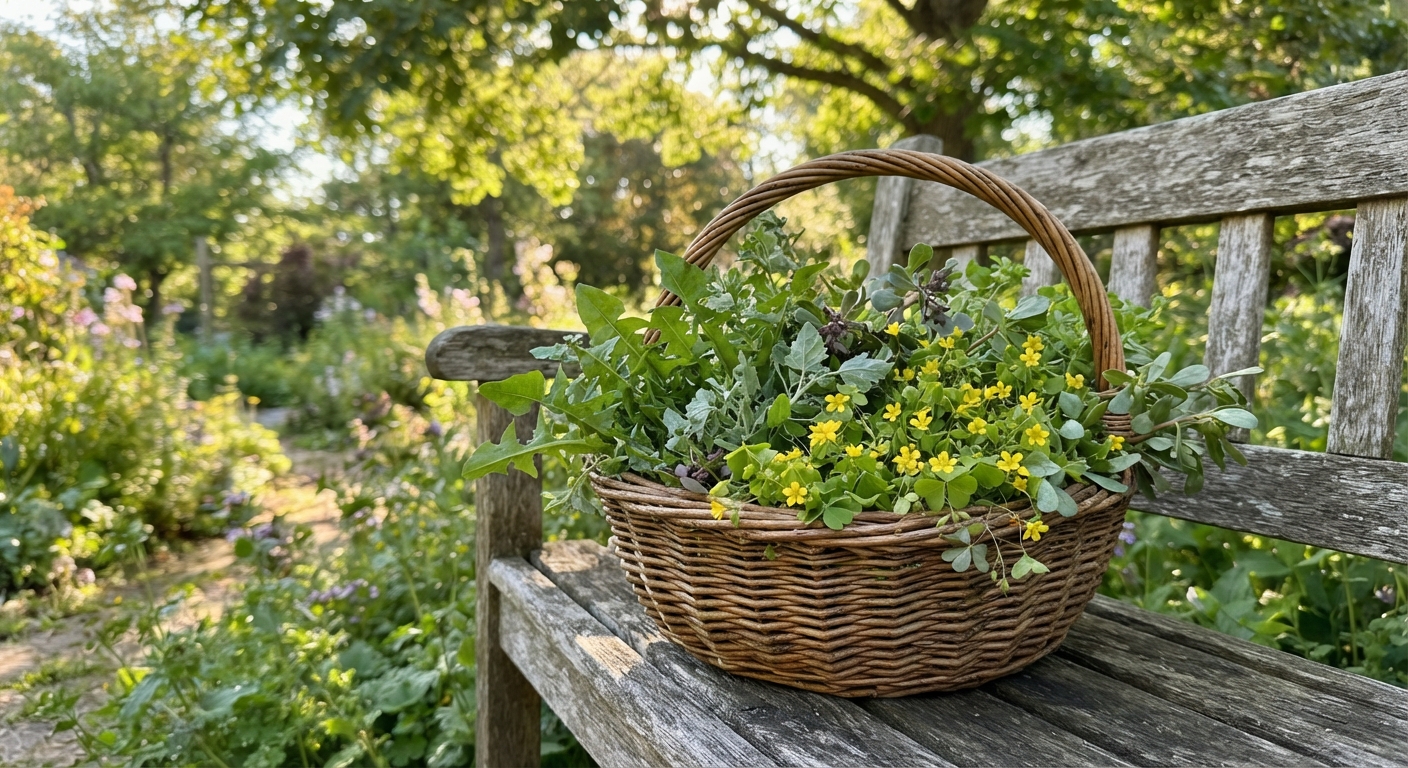
How to identify: Purslane grows low and spreading, with thick, reddish, succulent stems and small, paddle-shaped, fleshy green leaves arranged in clusters. The whole plant has a juicy, succulent feel. Tiny yellow flowers appear at stem tips on sunny mornings. The one critical warning: there is a toxic lookalike called spurge (Euphorbia species), which also grows low with small leaves. Break a stem — purslane exudes clear, watery sap; spurge exudes white, milky latex. This sap test is your foolproof identifier.
Best time to harvest: Summer through early fall, before flowering if possible.
3. Chickweed (Stellaria media)
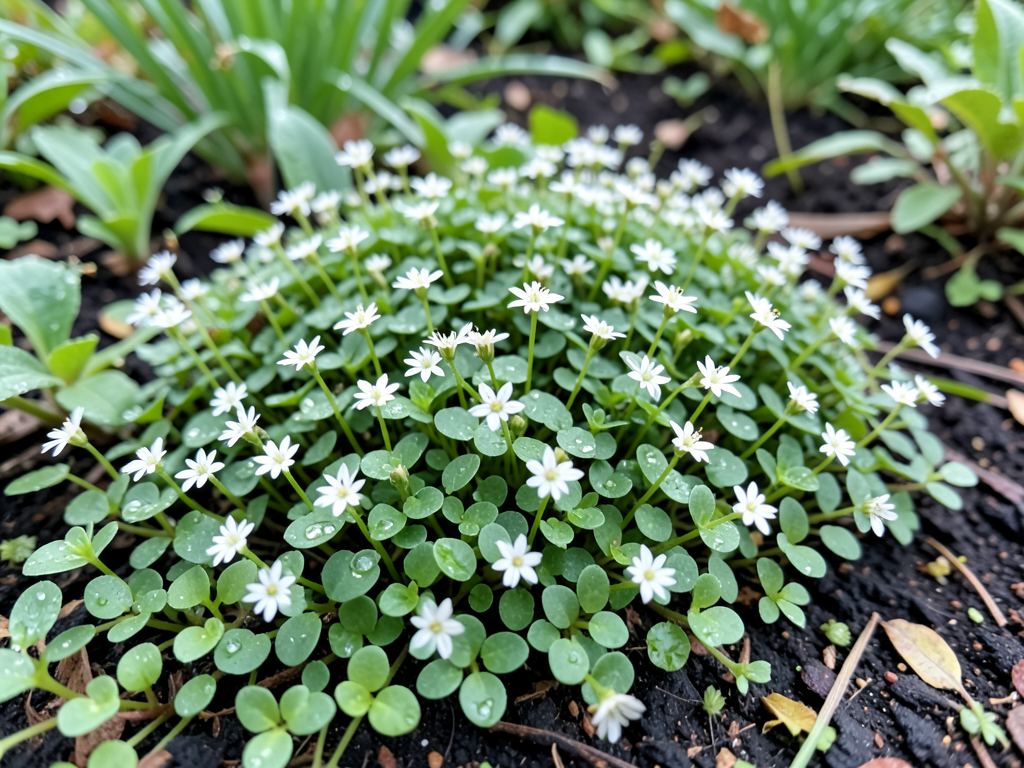
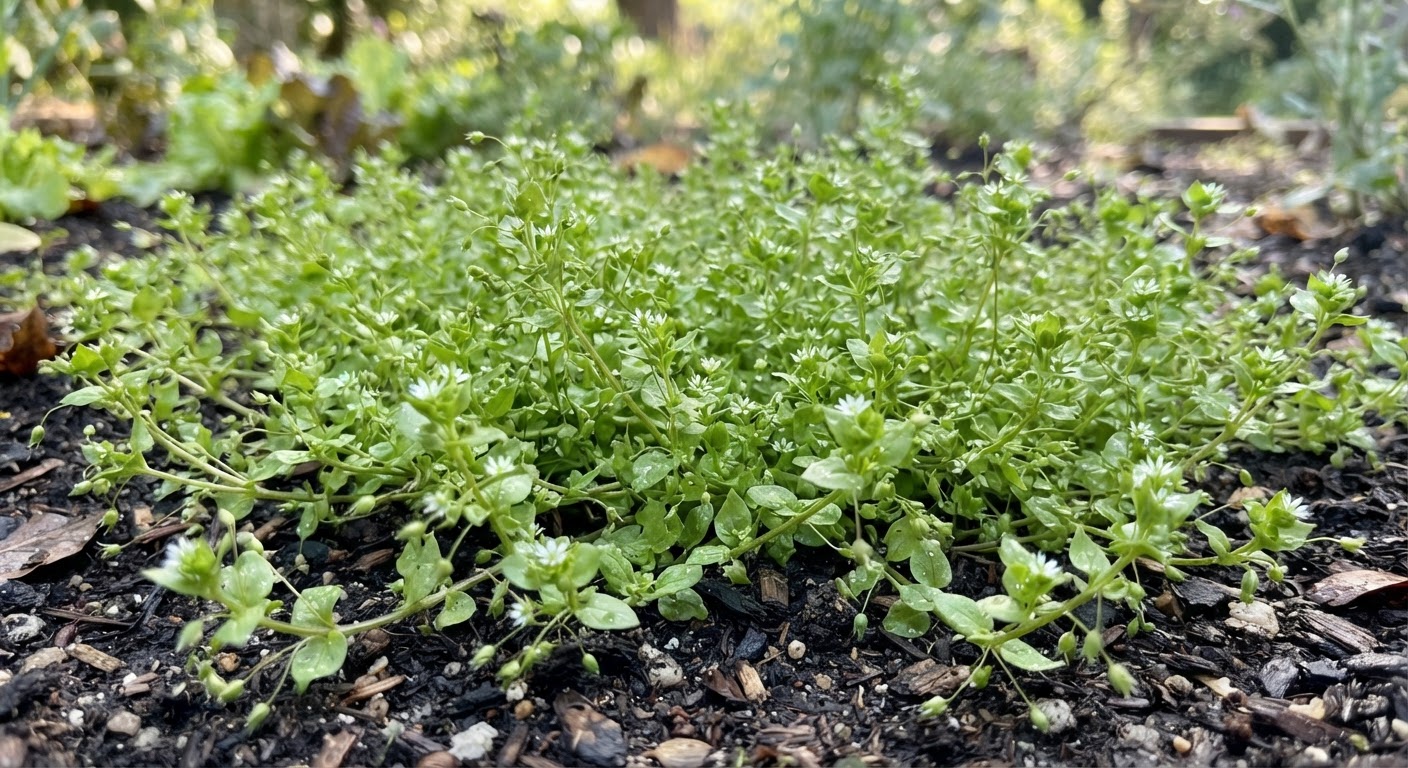
Chickweed is the wallflower of the edible weed world — unassuming, delicate, easily overlooked — but it’s been quietly feeding people and livestock for millennia. Its common name comes from the fact that chickens absolutely love it, and if you keep backyard hens, toss them a handful and watch them go wild.
The flavor is mild and fresh, reminiscent of young corn silk or butter lettuce, with a soft, tender texture that makes it ideal for raw salads. Chickweed works beautifully as a lettuce substitute in sandwiches, a gentle addition to pesto, or wilted quickly into pasta. Cooked, it behaves much like spinach, reducing dramatically but retaining a pleasant green color.
Nutritionally, chickweed punches far above its weight class. It’s rich in vitamin C, calcium, magnesium, potassium, and flavonoids that have been studied for their anti-inflammatory properties. Herbalists have used chickweed poultices for centuries to soothe itchy skin, and modern research suggests saponins in the plant may contribute to these soothing effects.
How to identify: Chickweed has a distinctive feature no other plant shares: a single line of fine hairs running along ONE side of the stem, switching sides at each leaf node. Run your finger along the stem and you’ll feel it switch. The leaves are small, oval, and arranged in opposite pairs. Flowers are tiny, white, and star-shaped with five deeply cleft petals that look like ten. The plant forms sprawling mats in cool weather.
Best time to harvest: Late winter through spring is peak season. Chickweed dies back in summer heat.
4. Lamb’s Quarters (Chenopodium album)
Also called wild spinach, goosefoot, or fat hen, lamb’s quarters is essentially the wild ancestor of cultivated spinach, quinoa, and beets — all members of the same botanical family (Amaranthaceae). If you’ve ever grown spinach and watched it bolt in summer heat, lamb’s quarters is the answer: it thrives in conditions that make conventional spinach wither, producing tender greens well into July and August.
The young leaves taste remarkably similar to spinach or chard but with a slightly nuttier, more mineral-rich quality. Use them exactly as you would spinach — raw in salads when young, sautéed with garlic and olive oil, folded into omelets, or layered into lasagna. The young flowering tips and seeds are also edible; the seeds can be harvested in late summer and cooked like quinoa, to which they’re closely related.
Lamb’s quarters is exceptionally high in protein for a leafy green (around 4% by weight), along with impressive levels of calcium, iron, vitamin A, and B vitamins. The whitish, powdery coating on young leaves (which looks concerning but is harmless) is actually a crystalline wax that helps the plant retain moisture — it rinses right off.
How to identify: Lamb’s quarters grows upright, reaching 1 to 5 feet tall. The leaves are diamond to goosefoot-shaped (hence the name), with irregularly toothed margins, and are covered — especially on the underside and new growth — with a whitish, mealy powder. The stems often show magenta streaking at the leaf nodes. There are no dangerous lookalikes that share all these features.
Best time to harvest: Spring and early summer for leaves; late summer for seeds.
5. Stinging Nettle (Urtica dioica)
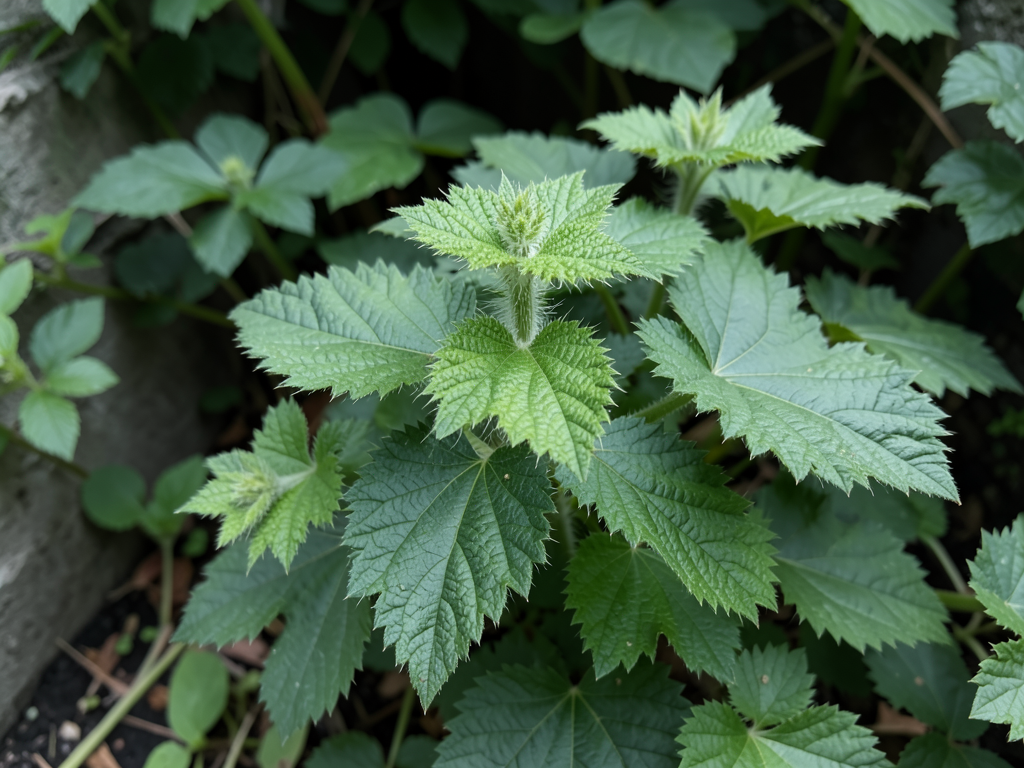
Yes, nettle hurts to touch. The tiny silica-tipped hairs on the stems and leaves inject a cocktail of histamine, acetylcholine, and formic acid — the same compound ants use to defend themselves. The sting is irritating but medically insignificant, subsiding within minutes to hours, and it’s a fair trade for what might be the most nutritionally complete wild green available.
Once cooked or dried, nettles lose their sting completely and transform into a tender, deeply flavorful green that tastes somewhere between spinach and artichoke — earthy, rich, and satisfying. Nettles make an exceptional soup (the classic Eastern European koprivna juha), a vibrant pesto, a nutritious tea, and a remarkably good substitute for spinach in saag paneer, spanakopita, and stuffed pastas.
Nettle’s nutritional profile is extraordinary: it contains up to 25% protein by dry weight (higher than any other leafy green), along with massive amounts of iron, calcium, magnesium, potassium, silica, and vitamins A, C, D, and K. It’s been used as a spring tonic across Europe for centuries, and dried nettle leaf tea is commercially available in most health food stores.
How to identify: Really, the sting identifies it for you. Beyond that, nettle has serrated, heart-shaped leaves arranged opposite each other on square, ridged stems. The plant grows 1 to 6 feet tall in dense patches, preferring rich, moist soil and partial shade. Flowers appear as drooping, greenish-white catkins from the leaf axils. Note: there is a non-stinging lookalike called dead nettle (Lamium), which has purple, hooded flowers — it’s also edible.
Best time to harvest: Early to mid-spring, before flowering. Only harvest the top 4-6 inches of new growth. Wear thick gloves.
6. Purslane’s Cousin: Wood Sorrel (Oxalis acetosella / stricta)
Wood sorrel covers garden beds, lawn edges, and container plantings with delicate, shamrock-like leaves — and it’s absolutely delicious. The flavor comes from oxalic acid (the same compound that gives rhubarb and spinach their characteristic tang), creating a bright, lemony sourness that’s absolutely distinctive.
The leaves, flowers, and immature seed pods are all edible raw, and they make an excellent trail-side thirst quencher on hot days. Sprinkle wood sorrel over fish, fold it into butter for a compound spread, or use it as a striking garnish. The yellow flowers (on garden sorrel) or white flowers with pink veins (on wood sorrel) add a delicate sour note to salads. Moderation is key — oxalic acid in very large quantities can interfere with calcium absorption, but the amounts in normal culinary use are perfectly safe for healthy individuals.
How to identify: Wood sorrel is unmistakable once you know it. The leaves are divided into three heart-shaped leaflets (like a shamrock) that fold down in bright sun or at night. Flowers are five-petaled, either yellow or white depending on the species. The taste test confirms identification — nothing else in the garden has this bright, lemony flavor. Do not confuse it with clover, which has oval leaflets and a bland taste.
Best time to harvest: Spring through fall; this plant is nearly year-round in mild climates.
7. Plantain (Plantago major / lanceolata)
Not the banana-like fruit — this plantain is a low-growing, broad-leafed weed that inhabits lawns, garden paths, and sidewalk cracks across the world. Indigenous Americans called it “white man’s footprint” because it seemed to appear wherever European settlers established themselves. It’s been used as a medicinal and food plant for thousands of years.
Young plantain leaves are edible raw when they’re tender and smaller than about 3 inches; older leaves become stringy and are better cooked. The flavor is mild and slightly earthy, similar to Swiss chard but with a firmer texture. Sauté older leaves with garlic and olive oil, add young leaves raw to mixed salads, or blend them into green smoothies where their mild profile won’t dominate.
Plantain’s real superpower, however, is medicinal. Crushed fresh leaves applied directly to insect bites, minor cuts, and stings provide rapid relief — the plant contains aucubin and allantoin, compounds with documented anti-inflammatory and wound-healing properties. This is one of the most universally recognized herbal first-aid plants on earth.
How to identify: Broadleaf plantain (Plantago major) has distinctly ribbed, oval leaves that grow in a flat rosette, with parallel veins running lengthwise. The flower stalk rises from the center with a tight cluster of tiny greenish flowers that turn into small seeds. Narrow-leaf plantain (Plantago lanceolata) has long, lance-shaped leaves with the same parallel veins and ribbed texture. Neither has toxic lookalikes.
Best time to harvest: Spring for the youngest, most tender leaves; seeds can be collected in late summer.
8. Garlic Mustard (Alliaria petiolata)
Garlic mustard is one of the most aggressively invasive plants in North America — and one of the most delicious. Native to Europe and Asia, it was brought to the New World as a culinary herb and escaped cultivation with remarkable success. Many conservation organizations now actively encourage people to eat it as a form of ecological management.
The entire plant tastes like garlic crossed with mild mustard greens, hence the name. Young first-year leaves work beautifully in pesto (blend with olive oil, nuts, and parmesan), in salads, or wilted into pasta. The roots, harvested in early spring before flowering, taste like horseradish and can be grated fresh as a condiment. The flowers are a peppery, garlicky garnish. Even the seeds can be used like mustard seed.
Culinarily, garlic mustard is genuinely excellent. Its invasive status means you can harvest without guilt — you’re helping native ecosystems every time you pick it.
How to identify: First-year plants form a low rosette of kidney-shaped leaves with scalloped edges and noticeable veins. Second-year plants send up a flower stalk 1 to 3 feet tall with triangular, sharply toothed leaves. The definitive test: crush a leaf and smell it — garlic mustard smells unmistakably of garlic. White, four-petaled flowers appear in clusters at the top of the stalk in spring. There are lookalikes in the mustard family, but the garlic smell is unique.
Best time to harvest: First-year rosettes in fall through early spring; leaves and flowers from second-year plants in spring.
9. Violet (Viola sororia / odorata)
IMAGE_5_PLACEHOLDER
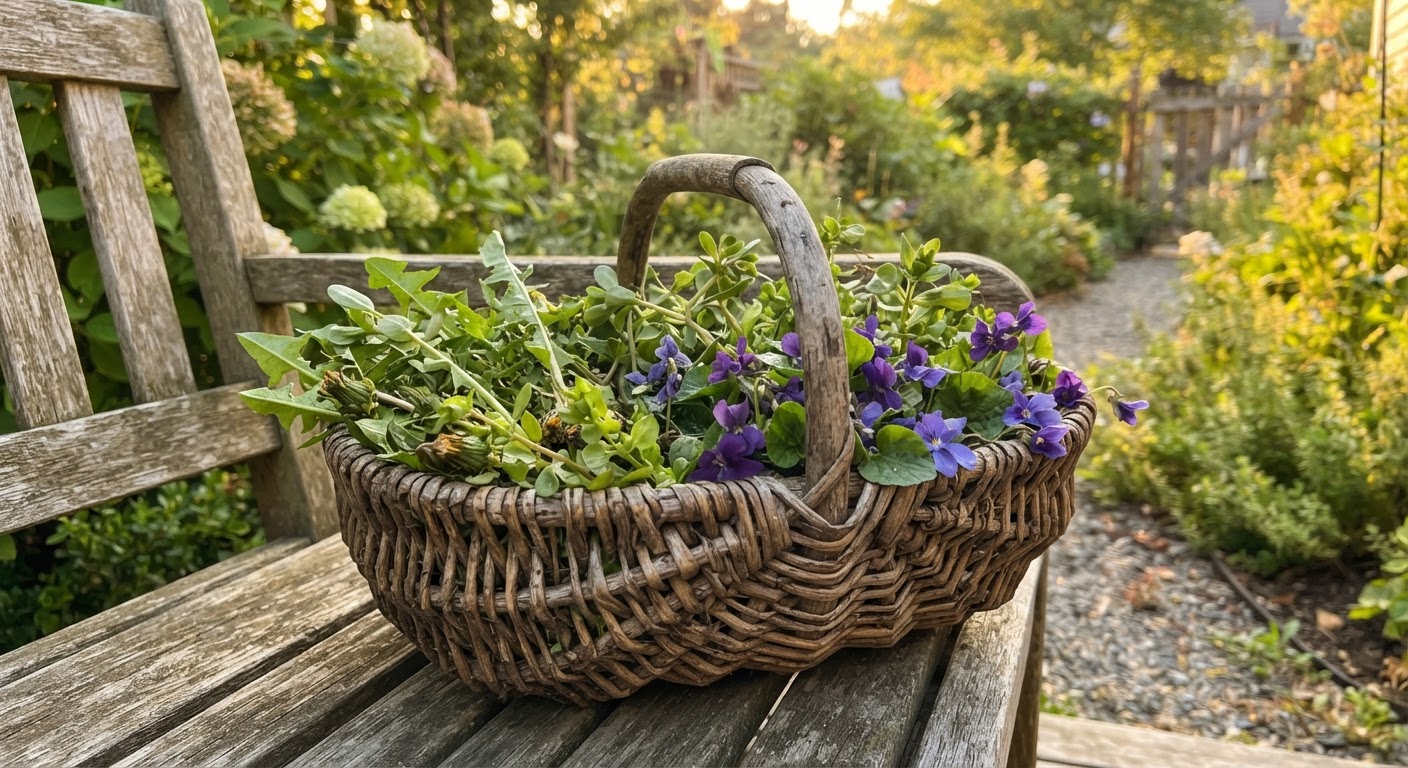
Garden violets are often tolerated for their charming purple flowers in early spring, but few gardeners realize the entire plant is edible — and the leaves are available for harvesting long after the flowers fade.
Violet leaves are rich in vitamins A and C, with a mild, slightly sweet flavor and a pleasant mucilaginous texture reminiscent of okra or mallow. They hold up well in soups (added at the end as you would spinach), work beautifully in mixed green salads, and can be cooked as a simple side dish. The real showstoppers are the flowers: they’re stunning candied on desserts, frozen into ice cubes for cocktails, or scattered over salads for a dramatic visual effect. Violet syrup and violet jelly are classic preparations that capture the flower’s subtle, perfumed sweetness.
The leaves also contain a compound called rutin, a flavonoid that strengthens capillary walls and has been studied for its vascular health benefits.
How to identify: Violets form low clumps of heart-shaped leaves with slightly serrated edges. Flowers are the giveaway — five-petaled, typically purple (though white and yellow varieties exist), with darker veins leading into the flower’s throat. The lower petal has a spur at the back. Flowers appear from early spring through early summer, but the leaves persist for most of the growing season. Do not confuse with African violets (entirely different plant, not edible).
Best time to harvest: Flowers in spring; leaves from spring through fall (young leaves are best).
10. Clover (Trifolium pratense / repens)
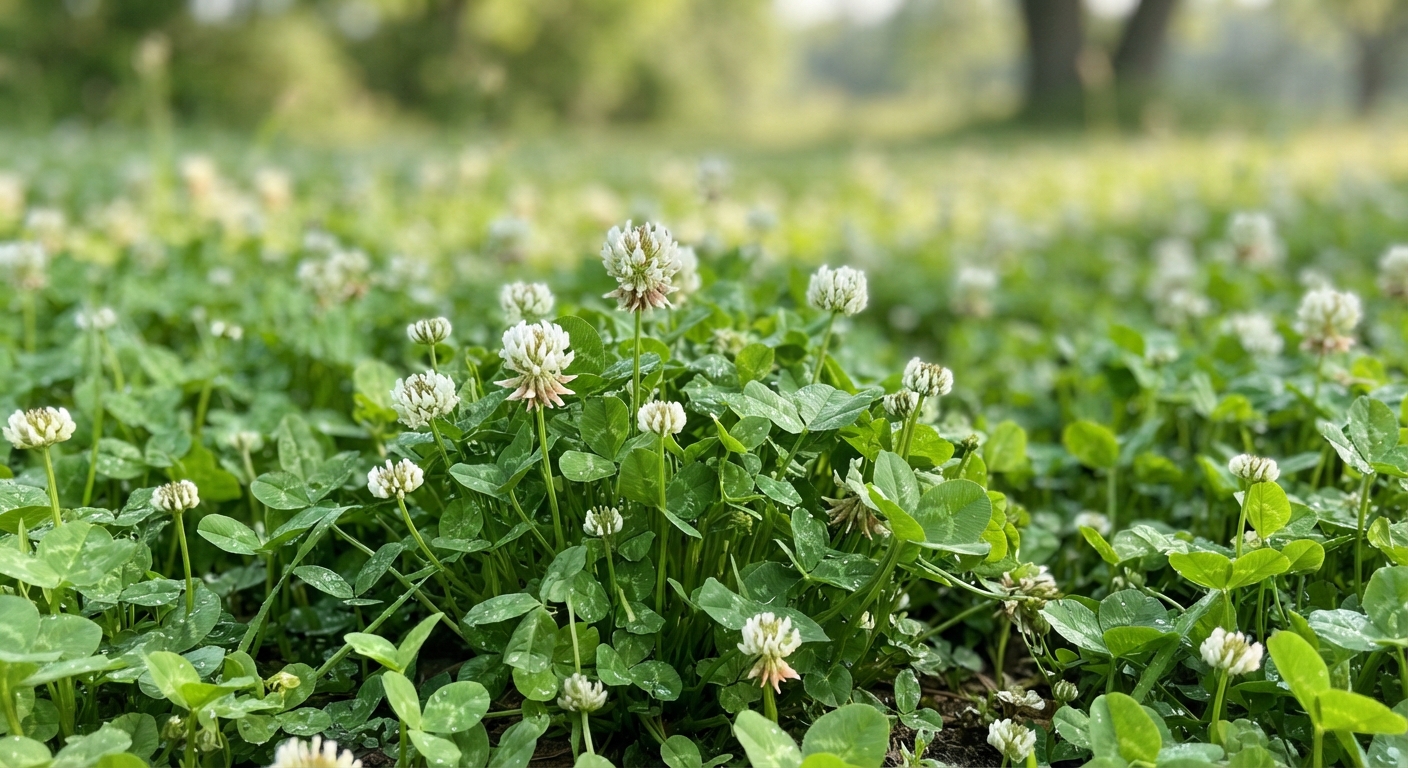
White clover and red clover carpet lawns across the world, and both species are entirely edible. Before the 1950s, clover was actually included in lawn seed mixes intentionally — it fixes nitrogen in the soil and feeds pollinators. It was only when broadleaf herbicides were marketed that clover was rebranded as a “weed.”
The leaves, flowers, and sprouts are all edible. The young leaves have a fresh, pea-like flavor (clover is a legume, after all) and work well in salads, stir-fries, or anywhere you’d use pea shoots. The flowers are sweet — red clover flowers can be pulled apart and the individual florets sucked for their nectar — and make a beautiful, subtly sweet tea that’s been used traditionally for respiratory health and skin conditions.
Clover is packed with protein, calcium, magnesium, and vitamin C, along with isoflavones (particularly in red clover) that have been the subject of extensive research for menopausal symptom relief.
Harvesting note: Only harvest flowers that are fresh and brightly colored. Avoid brown or wilted flowers, and as always, make absolutely sure the area has not been treated with chemicals.
How to identify: White clover has the classic three-lobed (occasionally four) leaf with a pale crescent marking. Flowers are white to pale pink, globe-shaped, composed of many tiny individual florets. Red clover has larger leaves with the same crescent marking, and pinkish-purple flower heads. The plants spread via creeping stems that root at the nodes, forming dense mats.
Best time to harvest: Spring through fall; flowers are most abundant in late spring and early summer.
Comparing the Nutritional Powerhouses
Here’s how these ten weeds compare on key nutritional metrics — data sourced from the USDA FoodData Central:
| Weed | Vitamin A | Vitamin C | Calcium | Iron | Notable Feature |
|---|---|---|---|---|---|
| Dandelion | Exceptional | High | Exceptional | High | More calcium than kale |
| Purslane | High | High | Moderate | Moderate | Omega-3s (ALA) |
| Chickweed | High | Very High | High | Moderate | Anti-inflammatory |
| Lamb’s Quarters | Very High | Very High | Very High | High | High protein content |
| Stinging Nettle | Very High | High | Exceptional | Very High | 25% protein dry weight |
| Wood Sorrel | Moderate | Very High | Moderate | Moderate | Bright lemony flavor |
| Plantain | Moderate | Moderate | High | Moderate | Wound-healing properties |
| Garlic Mustard | High | High | High | Moderate | Garlic flavor, invasive |
| Violet | High | Very High | Moderate | Moderate | Beautiful edible flowers |
| Clover | Moderate | High | High | High | Protein, isoflavones |
How to Harvest and Prepare Garden Weeds
Harvesting technique matters. Use clean scissors or a sharp knife rather than pulling plants up by the roots. Cutting above the growing point allows many of these plants to regrow for a second harvest. For taprooted plants like dandelion, you’ll need a garden fork to extract the root without breaking it.
Wash everything thoroughly. A three-stage wash works best: a quick rinse to remove loose dirt, a 5-minute soak in cool water with a splash of vinegar (to dislodge insects and reduce surface bacteria), and a final rinse under running water. Spin or pat dry.
Know when to stop harvesting. Plants are living organisms with limits. Never harvest more than one-third of a plant at once, and never harvest the entire population from a single area. Leave enough for the plants to regenerate and for wildlife that depends on them.
Common Mistakes Beginners Make
Relying on a single identification feature. A plant with milky sap isn’t automatically dandelion — several poisonous plants share that trait. Always confirm at least three features before eating.
Harvesting too late. Most edible weeds become unpalatably bitter or tough after flowering. The window between “perfect” and “too late” closes fast in hot weather.
Skipping the taste test. When trying a new plant for the first time, take a tiny bite, chew it, and spit it out. Wait several minutes. If your mouth tingles, burns, or goes numb, do not swallow — those are warning signs.
Assuming organic gardens are automatically safe. Even without chemicals, gardens near roads, old buildings (lead paint), or treated wood structures may have contaminated soil.
Forgetting to check local regulations. While garden foraging on your own property is universally legal, harvesting on public land may be restricted. Check before you pick.
Frequently Asked Questions
Can I really eat the weeds from my lawn?
If you haven’t applied herbicides, pesticides, or chemical fertilizers, yes. But only harvest from areas away from roads, driveways, and structures that might leach chemicals. Interiors of lawns and garden beds are generally safe if chemical-free.
What’s the easiest edible weed to start with?
Dandelion. It’s unmistakable, abundant everywhere, and every part is useful. Start with young leaves in a salad — if they’re too bitter, blanch them briefly in boiling water first.
Are there any weeds I should never eat?
Yes. Never eat anything in the carrot family (Apiaceae) unless you’re 100% certain — this family includes deadly species like poison hemlock and water hemlock. Also avoid nightshade family weeds, castor bean, and anything with milky sap you can’t positively identify as dandelion or wild lettuce.
Do I need to cook edible weeds?
Some, like chickweed, purslane, and young dandelion, are excellent raw. Others, especially nettles (obviously) and older, tougher leaves, benefit from cooking. When in doubt, a quick blanch or sauté makes most wild greens more palatable.
How do I know if my neighbor sprays chemicals?
The safest approach: have a conversation. Ask if they use lawn treatments and whether they’ve applied anything recently. Chemical drift from neighboring properties is a real concern, especially within 10-15 feet of property lines on windy days.
Can I feed edible weeds to my pets?
Many are safe in small amounts, but consult your veterinarian. Some plants, like wood sorrel, contain oxalates that can be problematic for animals with kidney issues. Chickens, as the name suggests, absolutely love chickweed.
A Different Way to See Your Garden
The line between “weed” and “food” is entirely cultural. Dandelions are sold as premium salad greens in French markets for several euros per bunch. Purslane is a cultivated crop in Mexico and India. Lamb’s quarters sustained entire communities through famines in Europe. These plants were food long before they were weeds, and the only thing that changed was our perception.
Next time you’re out in the garden, look at those “invaders” differently. That patch of dandelions isn’t a problem to solve — it’s lunch. That spreading mat of chickweed isn’t taking over — it’s offering itself. The purslane crowding your tomato bed isn’t competition — it’s a companion crop you never had to plant.
With proper identification skills and a careful approach, the weeds in your garden can become some of the most valuable produce you’ll ever harvest. Free, organic, hyper-local, and absurdly nutritious — they’re the garden’s best-kept secret.
Happy foraging — and remember, when in doubt, don’t eat it. No meal is worth a trip to the emergency room. Build your plant identification skills gradually, start with the unmistakable species, and let knowledge — not hunger — guide your harvest.