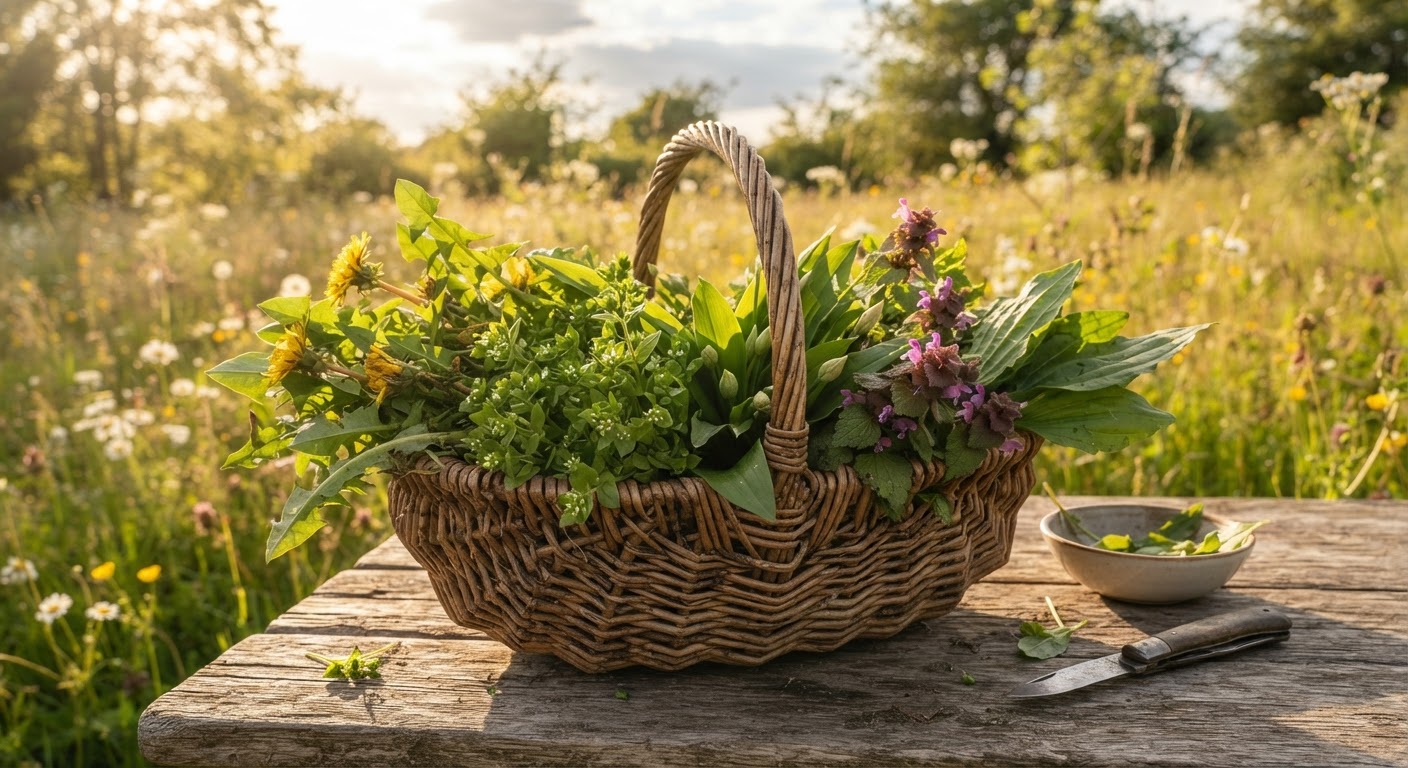
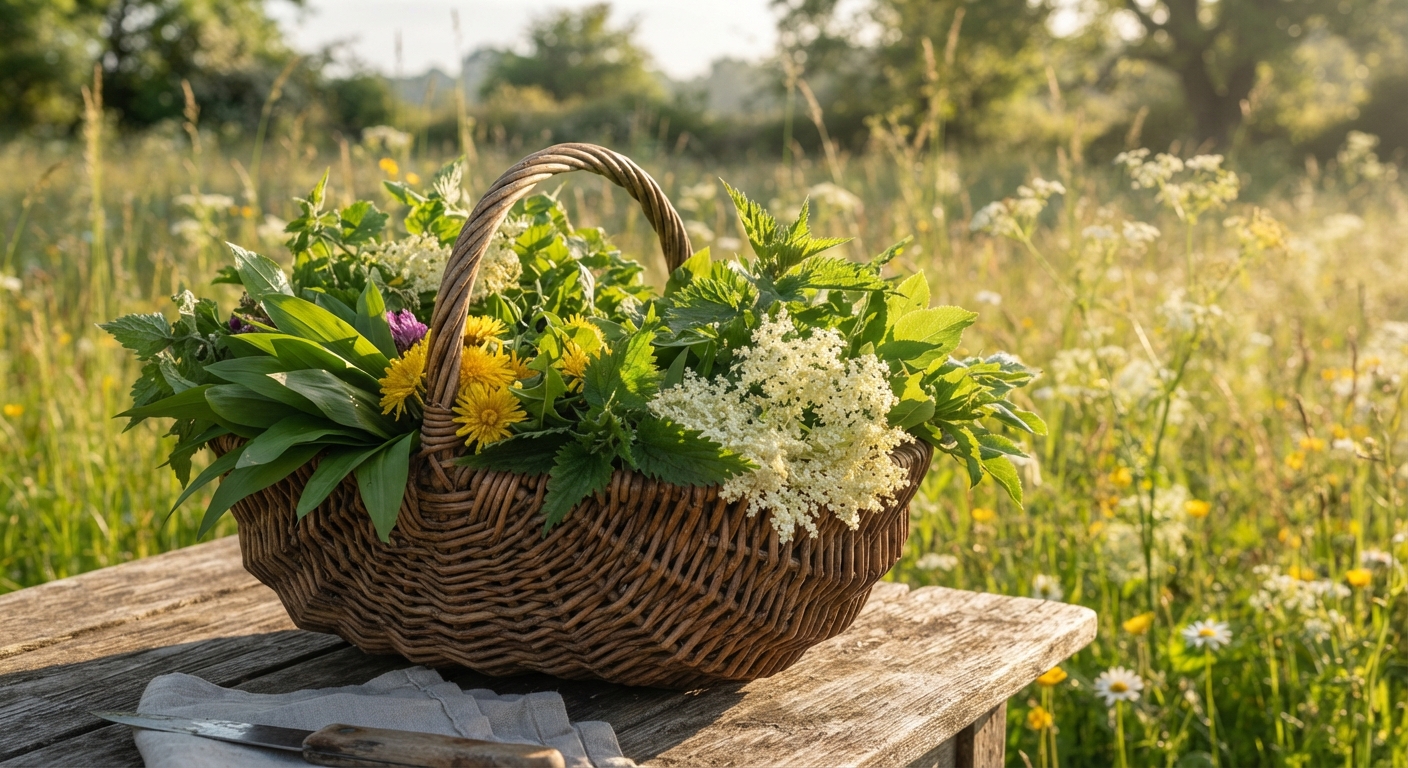
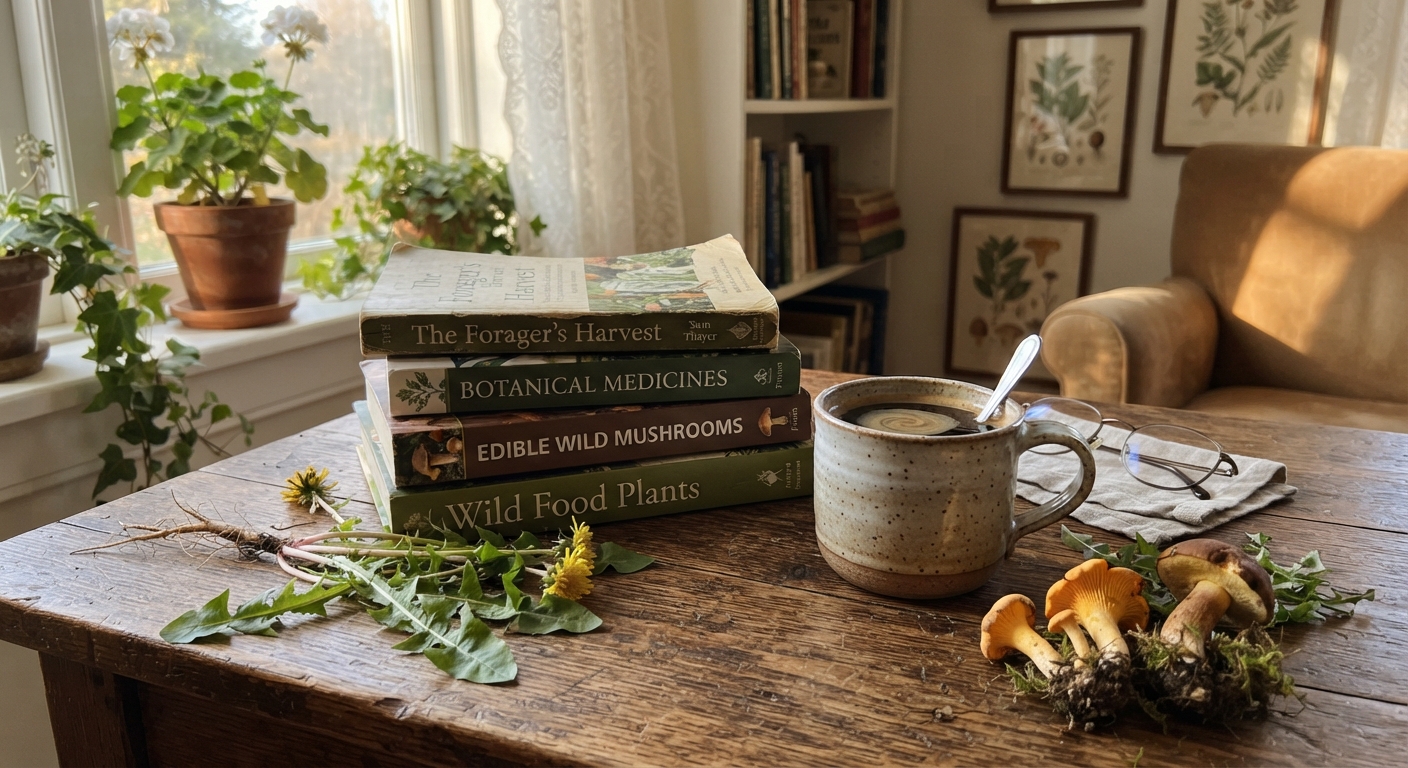
The first time I realized how little I actually knew about survival plants, I was standing in a meadow in northern Idaho with about 40 species of greenery around me — and I couldn’t confidently identify a single edible one besides blackberries. Not exactly a great position to be in if things ever went sideways.
That humbling afternoon kickstarted what’s now become years of learning. I’ve since spent countless hours with field guides, attended foraging workshops, and made plenty of embarrassing mistakes (taste-testing a leaf I was 90% sure was wood sorrel — it was clover, by the way, not dangerous but definitely not wood sorrel).
Here’s what I’ve learned: survival foraging isn’t about memorizing 200 plants. It’s about knowing maybe 15-20 rock-solid species that grow almost everywhere, being able to identify them in different seasons, and understanding what can kill you if you get it wrong.
This guide covers exactly that — the plants worth knowing, how to identify them, what they taste like, and the mistakes that could cost you.
Why Plant Knowledge Beats Packed Food Every Time
Let’s be real: most survival scenarios don’t look like a Hollywood movie. You’re not fighting off wolves with a sharpened stick. You’re more likely dealing with a wrong turn on a day hike, a vehicle breakdown in a remote area, or a camping trip where someone underestimated how much food to bring.
In these situations, calories matter. But here’s what most people misunderstand: you’re not trying to replace full meals with wild plants. You’re trying to supplement, stretch your energy, and keep your morale up. Wild greens aren’t going to give you 2,000 calories a day — but they’ll give you vitamins, minerals, and enough energy to keep moving until you’re safe.
Plus, there’s a psychological element. Finding food, even a handful of dandelion leaves, makes you feel less helpless. It gives you something productive to do. That matters more than most survival manuals admit.
The Numbers That Actually Matter
| Plant | Calories (per 100g) | Key Nutrients | Season |
|---|---|---|---|
| Cattail rhizome | ~150 | Carbohydrates, fiber | Year-round |
| Dandelion greens | ~45 | Vitamin A, C, K, iron | Spring-Fall |
| Acorns (processed) | ~390 | Fat, carbs, protein | Fall |
| Chickweed | ~23 | Vitamin C, calcium | Spring-Summer |
| Purslane | ~20 | Omega-3, vitamin E | Summer |
| Stinging nettle | ~42 | Iron, calcium, protein | Spring |
| Wild amaranth | ~370 (seeds) | Protein, iron, calcium | Summer-Fall |
| Clover | ~35 | Protein, calcium | Spring-Fall |
| Curly dock seeds | ~300 | Carbs, fiber | Summer-Fall |
| Burdock root | ~72 | Inulin, potassium | Year-round |
Most of these aren’t calorie-dense. But combine a handful of acorn flour with wild greens and you’ve actually got a meal. That’s the mindset shift: think supplementation, not replacement.
The Universal Edibility Test — When You Have No Choice
Before I list the plants, I need to cover this. The Universal Edibility Test (UET) is the military-survival-manual method for testing whether an unknown plant is safe to eat. I’m including it because it exists, but I need to be honest: this is a last resort. You should only use this in a genuine emergency when you have no other options.
The full test takes about 24 hours and requires patience. Here’s the abbreviated version:
-
Separate the plant into parts — roots, stems, leaves, flowers, buds. Test each part separately. Different parts of the same plant can have different toxicity levels.
-
Smell it. Crush a small piece. Any almond-like or peach-like smell could indicate cyanide compounds. Avoid. Strong unpleasant odors are also a red flag.
-
Skin contact test. Place a small crushed piece on your inner wrist or elbow for 15 minutes. Wait 8 hours. Any itching, redness, burning, or numbness? Reject the plant.
-
Lip and tongue test. Touch a tiny piece to your lip for 3 minutes, then your tongue for 3 minutes. Any tingling, burning, or numbness? Spit it out and rinse your mouth.
-
Chew test. Place a pea-sized amount in your mouth. Chew but do not swallow. Hold for 15 minutes. Any reaction? Spit everything out.
-
Swallow test. If no reaction, swallow the small amount. Wait 8 hours. Eat nothing else during this time.
-
Eat a small portion. If still no reaction after 8 hours, eat a quarter cup of the plant prepared the same way. Wait another 8 hours.
If you make it through all seven steps with zero symptoms, the plant is probably safe — for you, prepared that way, in that quantity. This isn’t perfect. Some toxins accumulate over time. Some people have allergies to otherwise safe plants. But in a genuine survival situation with no alternatives, it’s better than starving.
Real talk: Most survival situations resolve within 72 hours. The UET takes at least 24. If you have the option of conserving energy and waiting for rescue rather than experimenting with unknown plants, choose patience.
10 Essential Edible Plants for Survival
These are the plants I’d teach anyone first. They’re widespread across North America, Europe, and parts of Asia, they’re relatively easy to identify, and they provide actual nutritional value.
1. Dandelion (Taraxacum officinale)
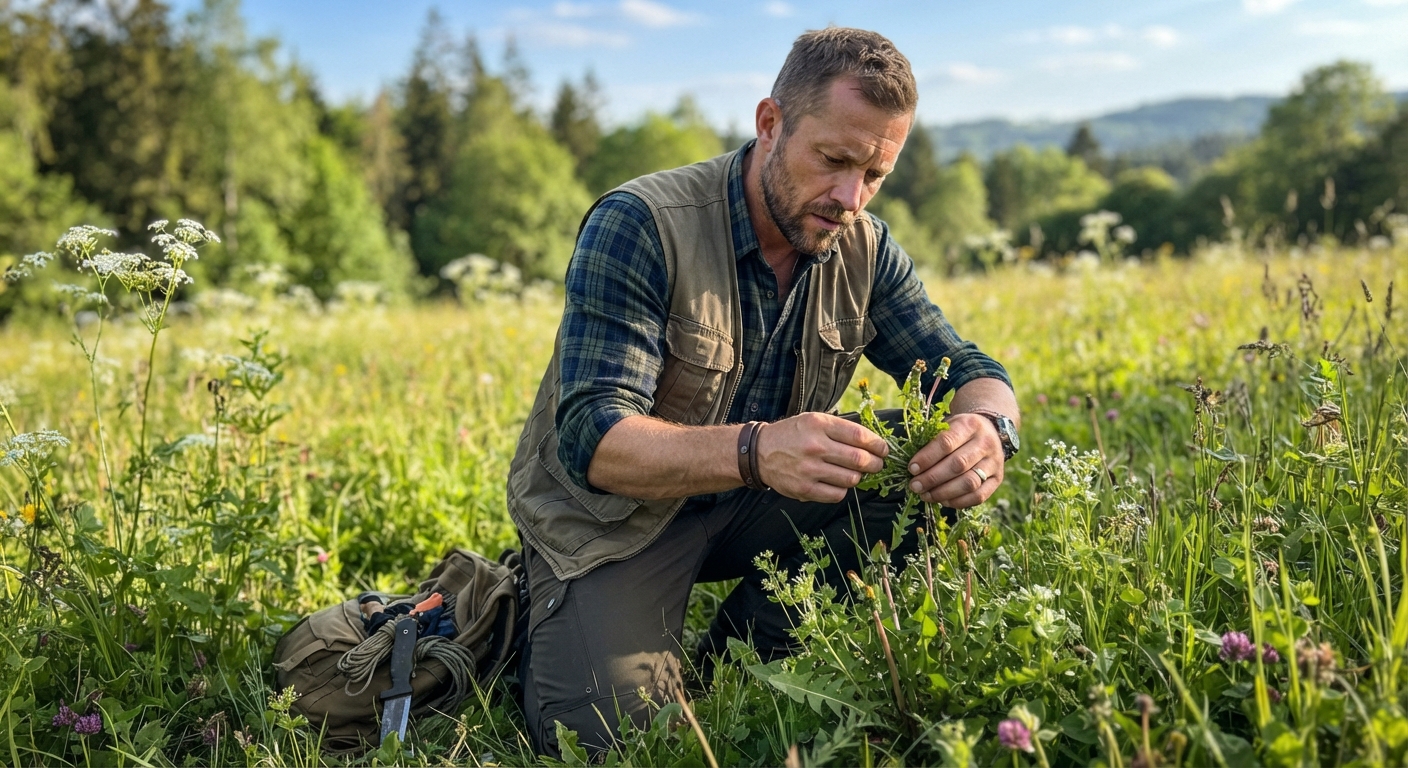
If you can only learn one survival plant, make it the dandelion. It’s everywhere — lawns, cracks in sidewalks, meadows, forest edges — and every single part is edible.
Identification: Rosette of deeply toothed leaves at the base (the name comes from French “dent de lion,” lion’s tooth). Single yellow flower head on a hollow, leafless stem that exudes white sap when broken. No poisonous look-alikes once you know the hollow stem rule.
Edible parts: Young leaves are best raw in spring, older leaves get bitter but cooking helps. Flowers can be eaten raw, battered and fried, or turned into wine. Roots can be roasted and ground into a coffee substitute that actually tastes decent — nutty and earthy, not like coffee but pleasant in its own right.
One mistake I made: Eating a dandelion leaf in August without blanching it first. The bitterness was genuinely shocking. If you’re harvesting in summer or fall, boil the leaves for 2-3 minutes and discard the water. World of difference.
2. Cattail (Typha species)
Cattails are the supermarket of the survival world. Indigenous peoples across North America used virtually every part of this plant, and there’s a reason it’s sometimes called the “supermarket of the swamp.”
Identification: Tall (3-9 feet), grass-like leaves growing from shallow water or wet soil. The unmistakable brown cylindrical flower spike on a central stalk. No other plant looks quite like a mature cattail — but the young shoots, before the brown spike develops, can be confused with toxic irises. Always check for the cattail’s characteristic C-shaped cross-section when you cut the leaf base.
Edible parts: Young shoots in spring (peel and eat raw or cooked — tastes like cucumber meets asparagus). Green flower spikes in early summer (boil and eat like corn on the cob — genuinely delicious with a bit of salt). Yellow pollen in late spring (shake into a bag and use as flour extender). Rhizomes year-round (these are the prize — 40-60% starch by dry weight, you can process them into flour by crushing in water, straining out the fibers, and letting the starch settle).
The catch: Only harvest cattails from clean water. They’re bioaccumulators — they absorb whatever’s in the water, including heavy metals and agricultural runoff. A cattail growing in a drainage ditch is not survival food, it’s survival poison.
3. Chickweed (Stellaria media)
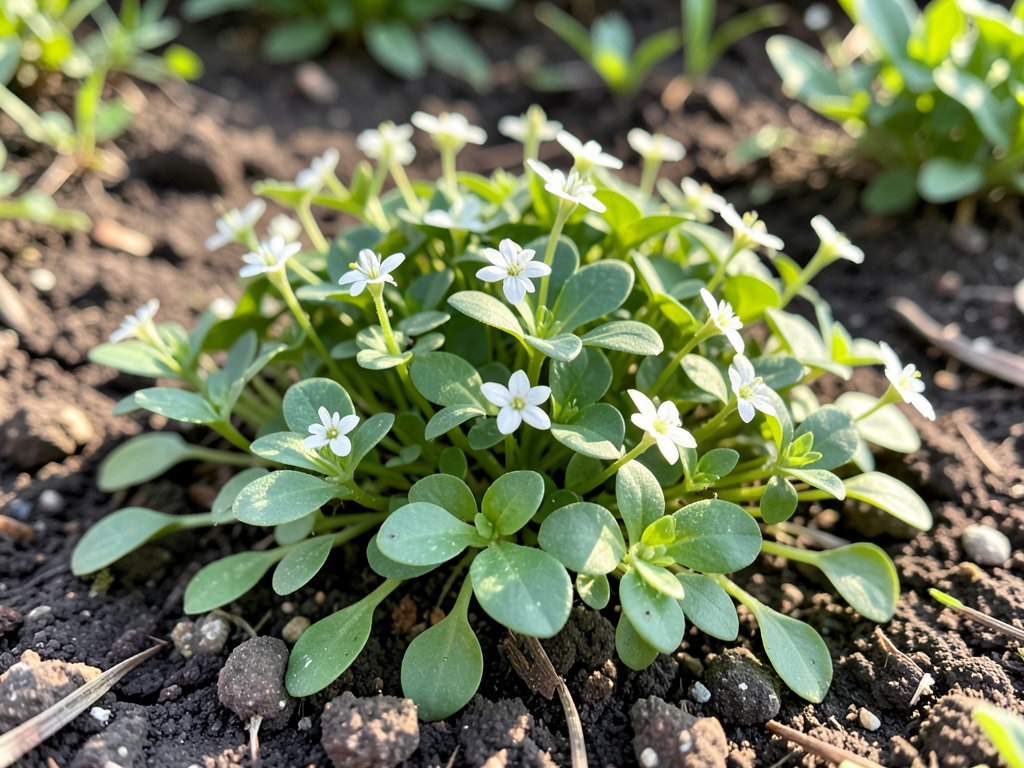
Chickweed is the mild-mannered superhero of survival greens. It grows in disturbed soil, garden beds, and lawns practically everywhere there’s moisture and partial shade. It’s also genuinely delicious — mild, slightly sweet, with a texture that works raw in salads or lightly cooked.
Identification: Low-growing creeping plant with small, pointed oval leaves growing in opposite pairs. The telltale sign is a single line of fine hairs running along one side of the stem, switching sides at each leaf node. Tiny white flowers with five petals so deeply cleft they look like ten. This “hairy line” detail is your confirmation — nothing toxic shares this feature.
Edible parts: Leaves, stems, and flowers. Eat raw, cooked, or brewed as a mild tea. Chickweed is cooling in traditional medicine and high in vitamin C.
The look-alike warning: Spurge (Euphorbia species) can look similar to casual observation. Break the stem — chickweed sap is clear and watery. Spurge sap is milky white. Milky sap = do not eat.
4. Stinging Nettle (Urtica dioica)
Yes, the plant that hurts you is also incredibly nutritious. Nature has a sense of humor. Nettles are packed with iron, calcium, magnesium, and more protein than most wild greens.
Identification: Opposite, coarsely toothed leaves on square-ish stems, covered in tiny stinging hairs. You’ll know if you touch it. The sting fades after about 30 minutes but the identification value is instant. Grows in rich, moist soil, especially near streams and disturbed areas.
Edible parts: Young top leaves and shoots. Cooking or drying completely neutralizes the sting. Steam or boil for 2-3 minutes. The cooked greens taste similar to spinach but richer, almost meaty. The cooking water makes excellent nutrient-dense broth.
Harvest with gloves. Leather works best. And don’t eat nettles after they flower — the leaves develop gritty particles called cystoliths that can irritate your kidneys in large quantities.
5. Purslane (Portulaca oleracea)
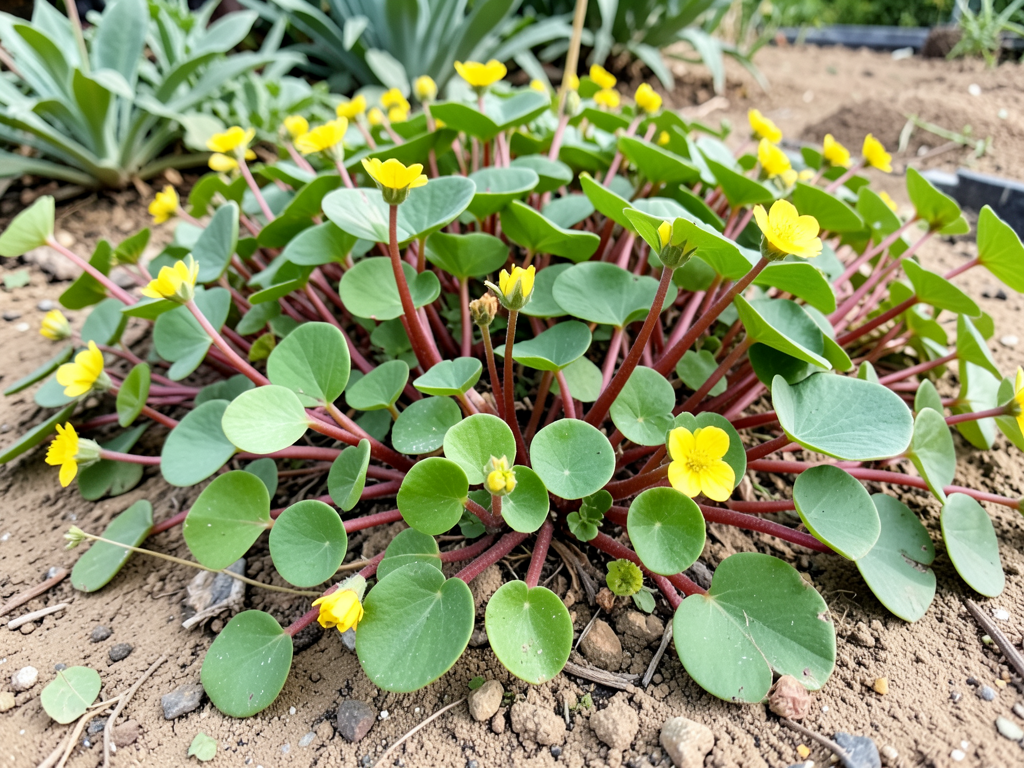
Purslane is the plant most people yank out of their garden and throw away — which is tragic because it’s one of the best plant sources of omega-3 fatty acids in existence. It’s a succulent, which means it thrives in hot, dry conditions where other greens have given up.
Identification: Low-growing with thick, reddish stems and flat, fleshy, paddle-shaped leaves. Small yellow flowers. Grows horizontally along the ground, forming mats. The succulent, waxy texture is distinctive.
Edible parts: Entire above-ground plant. Eat stems, leaves, and flowers raw or cooked. Slightly sour, slightly salty, with a satisfying crunch. Mexican cuisine uses it as “verdolagas” cooked with pork and tomatillos. The mucilaginous texture when cooked works beautifully as a thickener in soups.
Warning: There’s a toxic look-alike called spurge (same family as the chickweed look-alike). The difference: spurge has thin, flat leaves that aren’t fleshy, and its sap is milky white. Purslane stems are thick, reddish, and snap cleanly with clear sap.
6. Acorns (Quercus species)
Acorns sustained entire civilizations for thousands of years. The catch? They’re packed with bitter tannins that you need to leach out before eating. Skip this step and you’re in for a mouthful of astringent misery — and possibly kidney damage if you consume enough raw acorns.
Identification: Oak trees are common across the Northern Hemisphere. Acorns are the nuts with the distinctive cap. White oak acorns are generally less bitter than red oak, but all varieties need processing.
Processing method: Shell the acorns, crush or grind them, then leach the tannins out with water. The traditional method: put crushed acorns in a mesh bag in a stream for several days. The survival method: boil repeatedly, changing the water each time, until the water stops turning brown and the acorn meal no longer tastes bitter. Once leached, grind into flour or cook into porridge.
The flour you get is gluten-free, nutty, and slightly sweet. Make flatbreads or thicken stews with it.
7. Wild Amaranth (Amaranthus species)
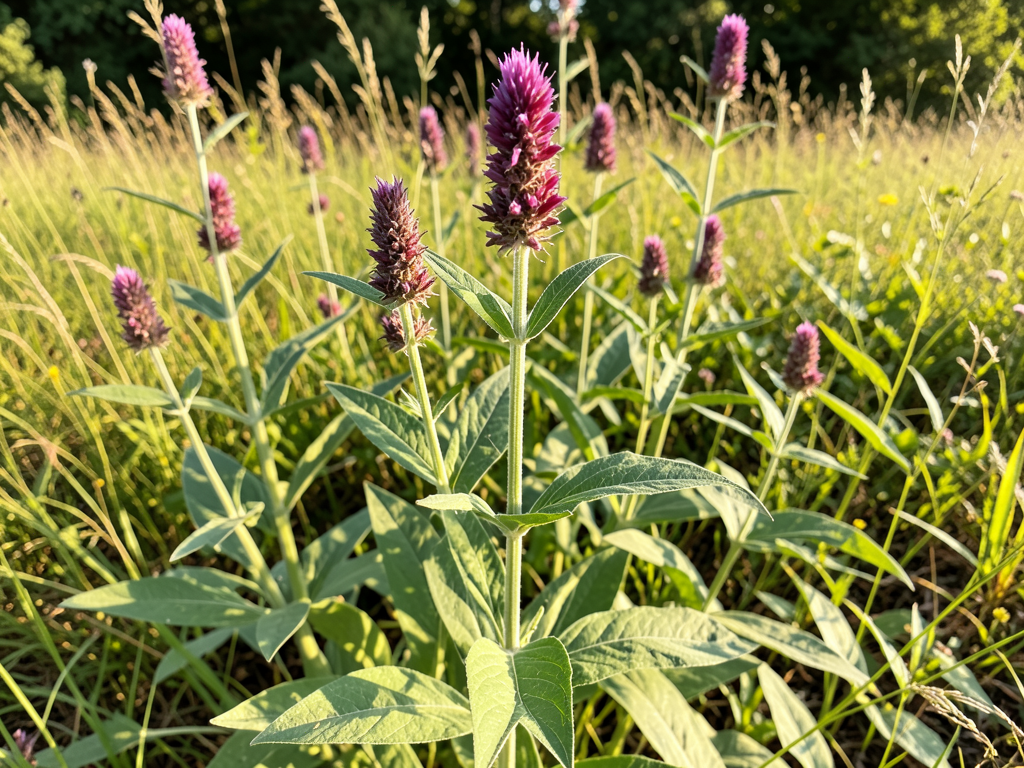
Also known as pigweed — which says a lot about how our culture values plants. Wild amaranth is actually a nutritional powerhouse. The leaves taste like spinach and the seeds were a staple grain for the Aztecs.
Identification: Upright plant with alternate, often diamond-shaped leaves and dense green or reddish flower clusters at the top. Some species have striking magenta or purple coloring. The deeply grooved stems are a good field mark. Grows in disturbed soil, gardens, and fields — basically anywhere humans have been digging.
Edible parts: Young leaves and stems (cook like spinach — don’t eat large quantities raw due to oxalates). Seeds (collect by shaking mature flower heads into a bag, then winnow to remove chaff — these tiny seeds are surprisingly calorie-dense). Seed flour can be used for flatbreads and porridge.
8. Clover (Trifolium species)
Both red and white clover are edible and widespread. They’re not the most exciting food, but clover grows in practically every lawn and field in temperate regions, which makes it valuable for survival.
Identification: The classic three-leaf clusters (occasionally four, but don’t count on luck for dinner). White clover has white-pinkish round flower heads, red clover has larger pink-purple heads. Both have the characteristic pale chevron marking on the leaflets.
Edible parts: Leaves (eat raw in small quantities, better cooked — raw clover is hard to digest and can cause bloating). Flowers (the sweetest part — red clover flowers make a pleasant tea and can be dried for later use). Sprouted seeds are also edible, similar to alfalfa sprouts.
9. Curly Dock (Rumex crispus)
Curly dock is the plant you pick when you need actual calories. Its seeds can be ground into flour, and the young leaves, while bitter, are packed with iron.
Identification: A tall plant with distinctive wavy-edged, lance-shaped leaves. Grows 2-4 feet tall. The mature seed stalks turn rusty brown and are visible from a distance. The leaves have a papery sheath (ocrea) where they attach to the stem.
Edible parts: Young leaves in spring (boil in one or two changes of water to reduce bitterness — these are genuinely good cooked with a little butter and salt). Seeds in summer and fall (the papery husk is tedious to remove, but the inner seeds can be ground into a dark, nutty flour).
10. Burdock (Arctium species)
Burdock root is a staple in Japanese cuisine (gobo) and grows as a common weed across most of North America and Europe. The root is carbohydrate-rich compared to leafy greens, making it one of the better survival calorie sources.
Identification: Large, wavy, heart-shaped leaves that are fuzzy underneath — these are the inspiration for velcro, by the way. The second-year plant sends up a tall stalk with purple thistle-like flowers that turn into those notorious burrs that stick to everything. The first-year basal rosette is what you want for root harvesting.
Edible parts: First-year roots (harvest in late fall or early spring before the plant sends up a flower stalk). Peel and boil or roast. Mild, nutty, slightly sweet with a texture like parsnip. Young leaf stalks can also be peeled and eaten raw or cooked.
Dangerous Look-Alikes: The Plants That Will Kill You
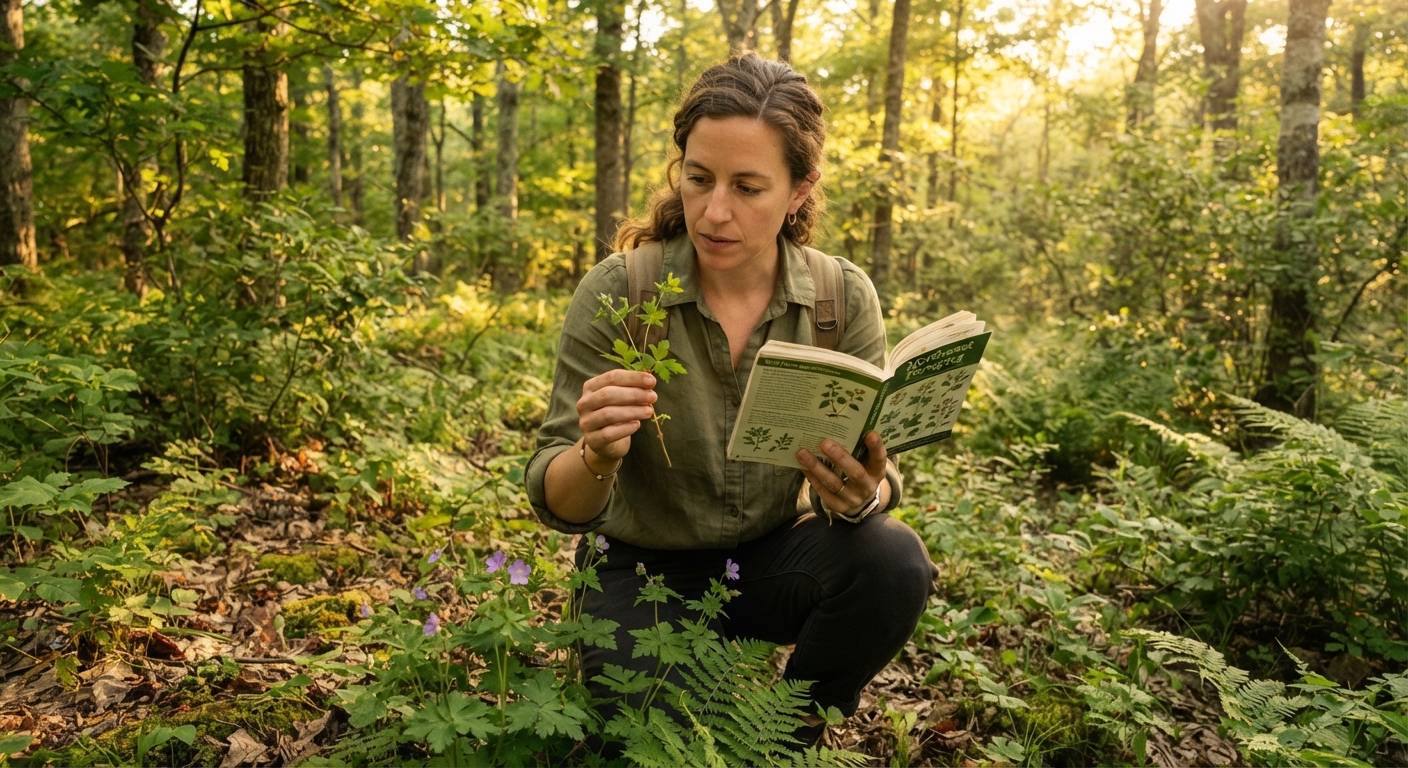
This section matters more than the identification section. Knowing what’s edible helps you eat. Knowing what’s poisonous keeps you alive.
Water Hemlock vs. Wild Carrot
Water hemlock (Cicuta species) is North America’s most violently toxic plant, responsible for more plant-related deaths than any other species. Its roots can be confused with wild carrot/Queen Anne’s lace. The difference: water hemlock has a chambered root with horizontal partitions (if you cut it crosswise, it looks like a tiny honeycomb) and grows in wet areas. Wild carrot grows in dry fields and has a solid, carrot-scented root.
Never harvest any white-flowered umbellifer (carrot family) plant from wet areas. Period.
Poison Hemlock vs. Wild Carrot
Poison hemlock (the one that killed Socrates) has smooth, purple-spotted stems with no hairs. Wild carrot stems are hairy. Hemlock smells musty and unpleasant when crushed; wild carrot smells like carrots. This is a reliable distinction but requires getting close enough to crush a leaf — use caution.
False Morels vs. True Morels
I’m including mushrooms here even though they’re technically fungi, because survival situations don’t care about taxonomy. True morels are hollow from the tip of the cap through the stem when cut lengthwise. False morels are chambered or solid inside. False morels contain monomethylhydrazine — rocket fuel compound. The difference between dinner and liver failure is a vertical cut.
Lily of the Valley vs. Wild Garlic
Wild garlic (ramsons) leaves smell unmistakably of garlic when crushed. Lily of the valley leaves are odorless — and contain cardiac glycosides that can stop your heart. These two plants frequently grow in the same habitat. The smell test is simple and reliable. Use it every single time.
How to Prepare Wild Plants Safely
Most wild edible plants need some processing before they’re truly food. Here’s what to know:
Boiling is your safest default for unknown greens. A 2-3 minute boil followed by discarding the water neutralizes many mild toxins and oxalates while making tough fibers more digestible.
Roasting roots concentrates starches and improves flavor. Think dandelion root, burdock, cattail rhizome. Wrap in foil or cook directly in coals.
Leaching is essential for acorns and some other nuts. The goal is removing water-soluble tannins. The more water changes, the less bitter the result.
Drying preserves surplus for later. Most greens can be air-dried or sun-dried. Once dry, crush into powder to add to soups and stews. This is how many indigenous cultures built winter food reserves.
One thing I wish I’d known earlier: don’t eat large quantities of any new wild plant at once. Your gut microbiome needs time to adapt. Even perfectly safe plants like dandelion can cause digestive discomfort if you suddenly eat a bowl of them when your body’s never encountered them before. Start small and build up.
Building Your Survival Plant Knowledge Before You Need It
This is the part most people skip and genuinely shouldn’t. You don’t learn to identify plants from a phone screen. You learn by going outside and touching them.
Practice identification in every season. That definitive cattail in summer looks very different as a dried brown stalk in mid-winter. Dandelion leaves in February are smaller, flatter to the ground, and often more purple than green. You need seasonal reps.
Learn one plant at a time. Take a week, learn dandelion in every growth stage. Then add chickweed. Then add cattail. Trying to learn 10 plants simultaneously guarantees you’ll confuse them.
Sample small amounts at home first. There’s no law saying you have to wait for a survival situation to try wild food. Pick a confirmed dandelion, take it home, cook it properly, eat a small portion. Now you know what it tastes like and how your body handles it. This is how you build genuine confidence.
Carry a physical field guide. Your phone will die. A slim regional plant guide weighs four ounces and works indefinitely. I carry “Edible Wild Plants: A North American Field Guide” but find one specific to your region.
FAQ
Can I survive on wild plants alone?
Short answer: not indefinitely, and not without planning. Wild plants provide vitamins, minerals, and some carbohydrates, but getting adequate calories from foraging alone requires serious knowledge and the right season. In a true survival scenario, plants supplement — they don’t replace — your other food sources.
How quickly can I learn to identify edible plants?
You can learn 5-10 reliable species in a season with weekly practice. Mastery takes years. The good news: 5-10 species is enough to significantly improve your survival position.
Are there any universal rules for identifying poisonous plants?
Not really. The old sayings — “red berries are poisonous,” “avoid milky sap,” “if animals eat it, it’s safe” — are all dangerously unreliable. Birds eat poison ivy berries. Deer browse on toxic plants. The only reliable rule is positive identification.
What’s the most common mistake beginners make?
Harvesting in contaminated areas. Roadside plants absorb vehicle exhaust and heavy metals. Plants near agricultural fields may carry pesticide residue. Urban parks often use herbicides. Even the most perfectly identified dandelion is unsafe if it’s growing in dog-walking territory.
Can I eat insects instead of learning plants?
Yes — insects are generally easier to identify, more calorie-dense, and more widely available than edible plants in most environments. Crickets, grasshoppers, and mealworms are excellent survival food. That said, plant knowledge complements insect knowledge. They’re not competing skills.
The Bottom Line
Survival foraging is not about being Bear Grylls. It’s about having enough knowledge to turn a bad situation into a manageable one. Ten well-learned plants, correctly identified, properly prepared, can stretch your energy reserves, maintain your morale, and potentially save your life.
Start with dandelion. Then chickweed. Then cattail. Learn them in every season, eat them at home, teach someone else. When the knowledge is in your bones, not just in your head, you’re ready.
And if you take nothing else from this guide: never eat anything you can’t positively identify, no matter how hungry you are. The difference between an empty stomach and organ failure is one bad decision. Be patient. Be thorough. Stay safe out there.