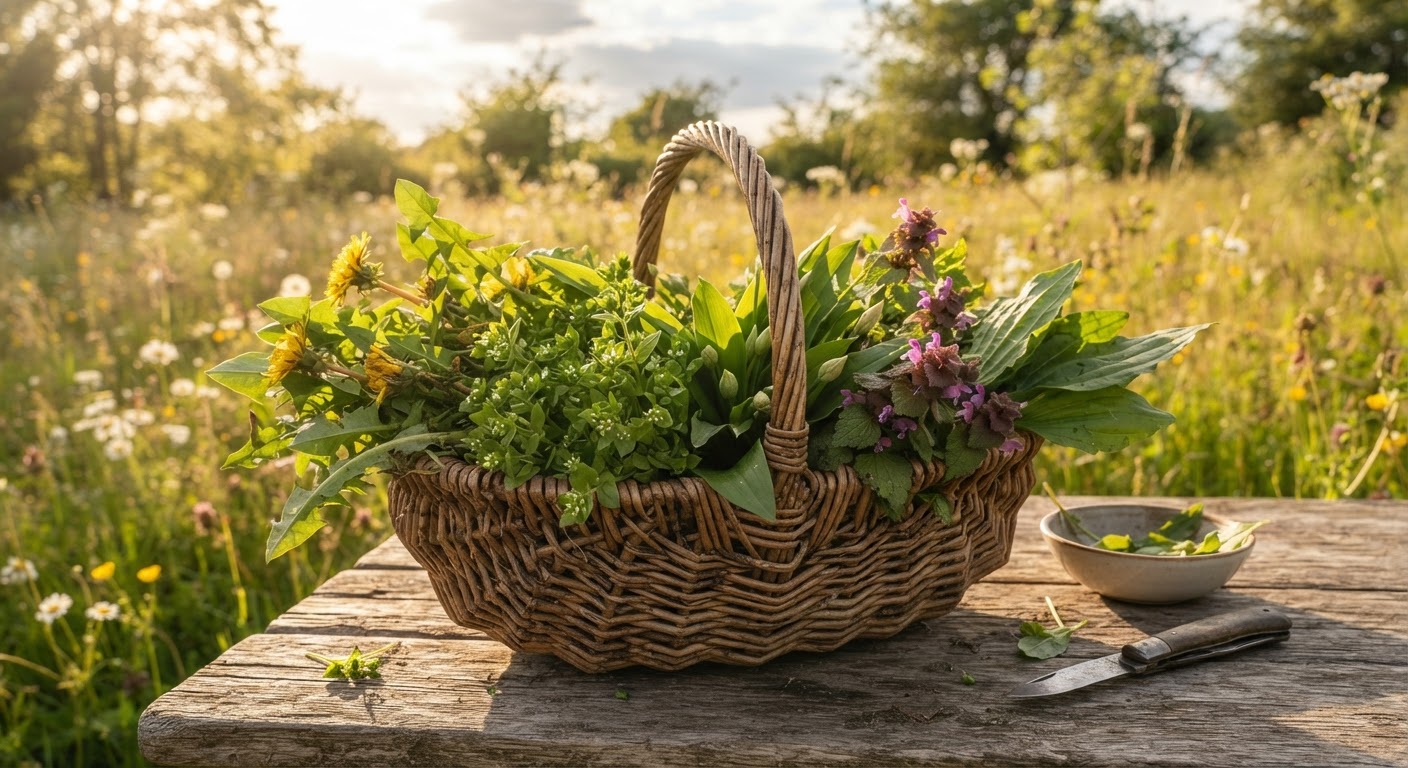
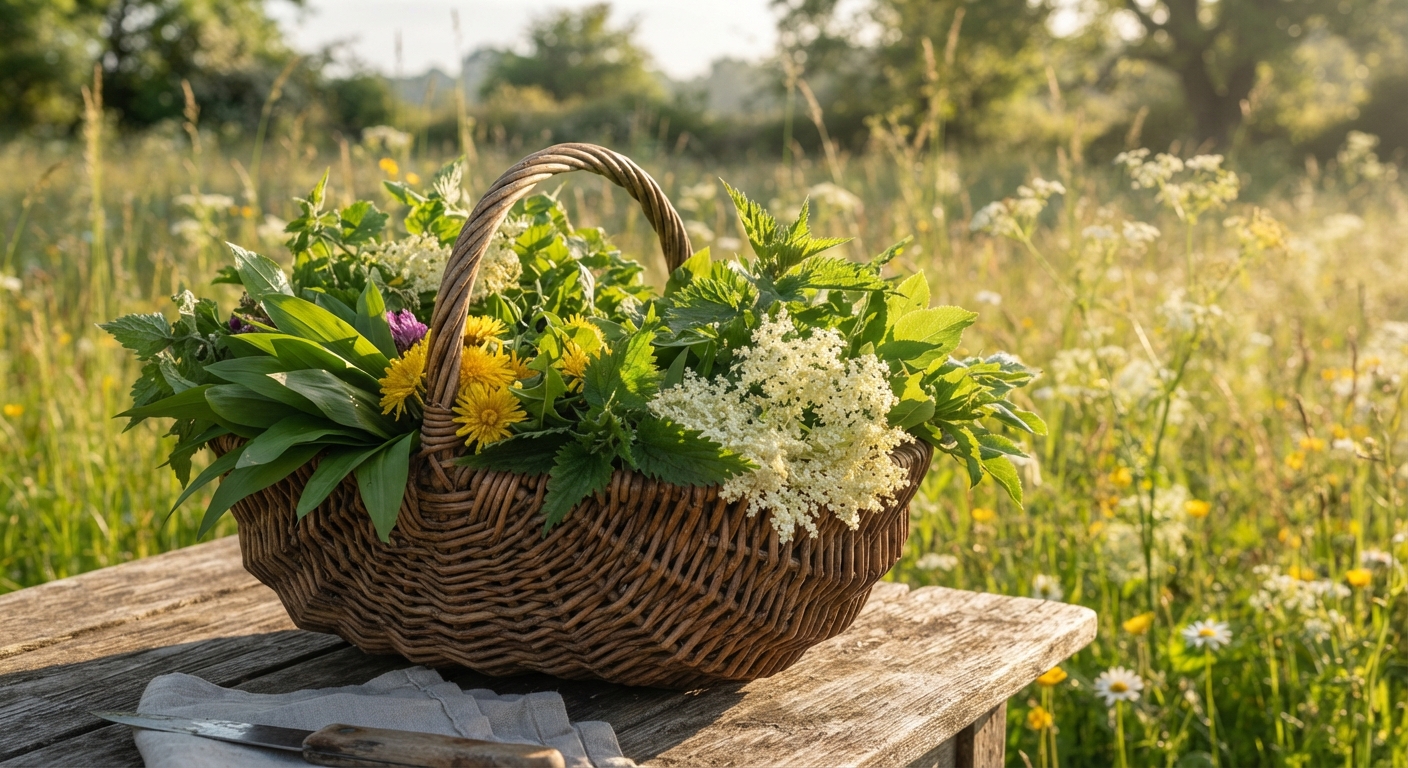
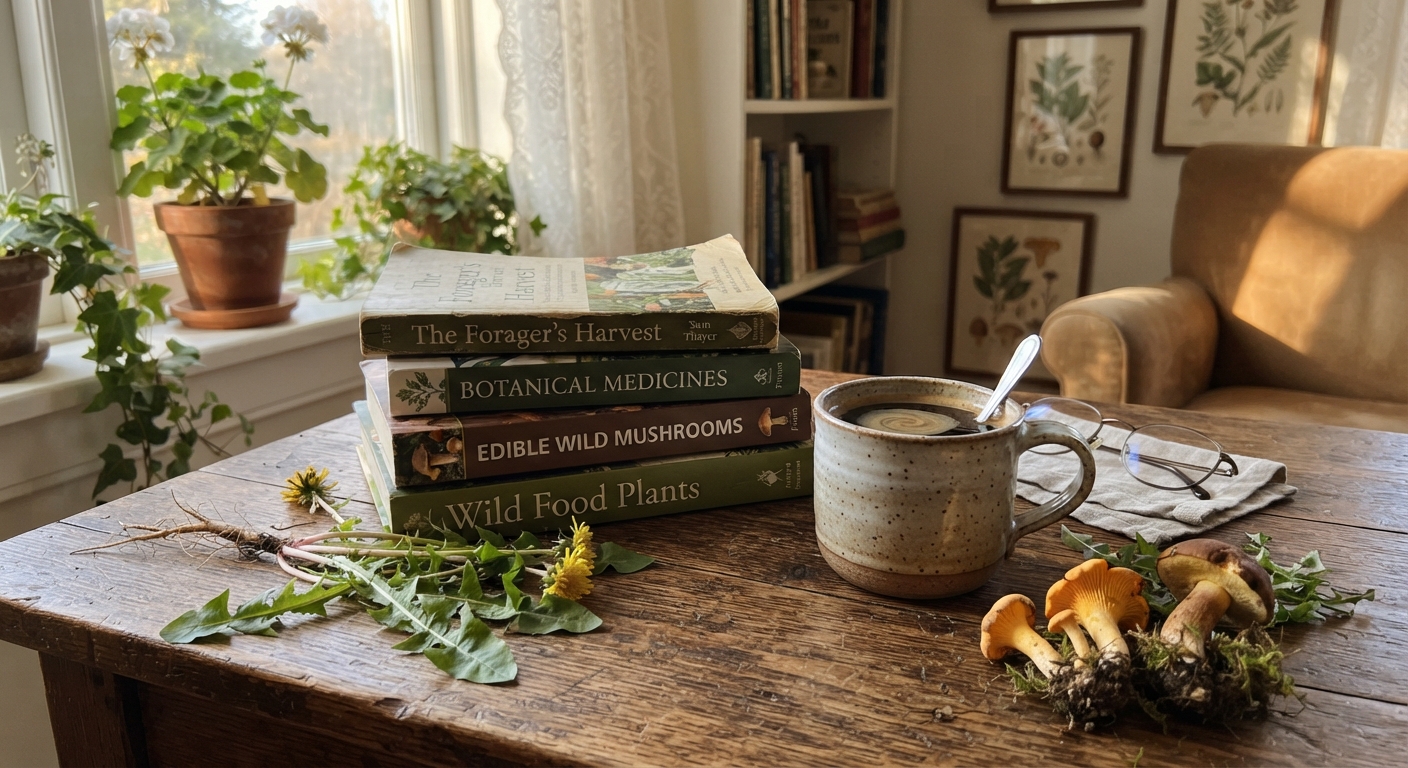
Edible Flowers List: 30 Stunning Blooms You Can Safely Eat (With Photos & Recipes)
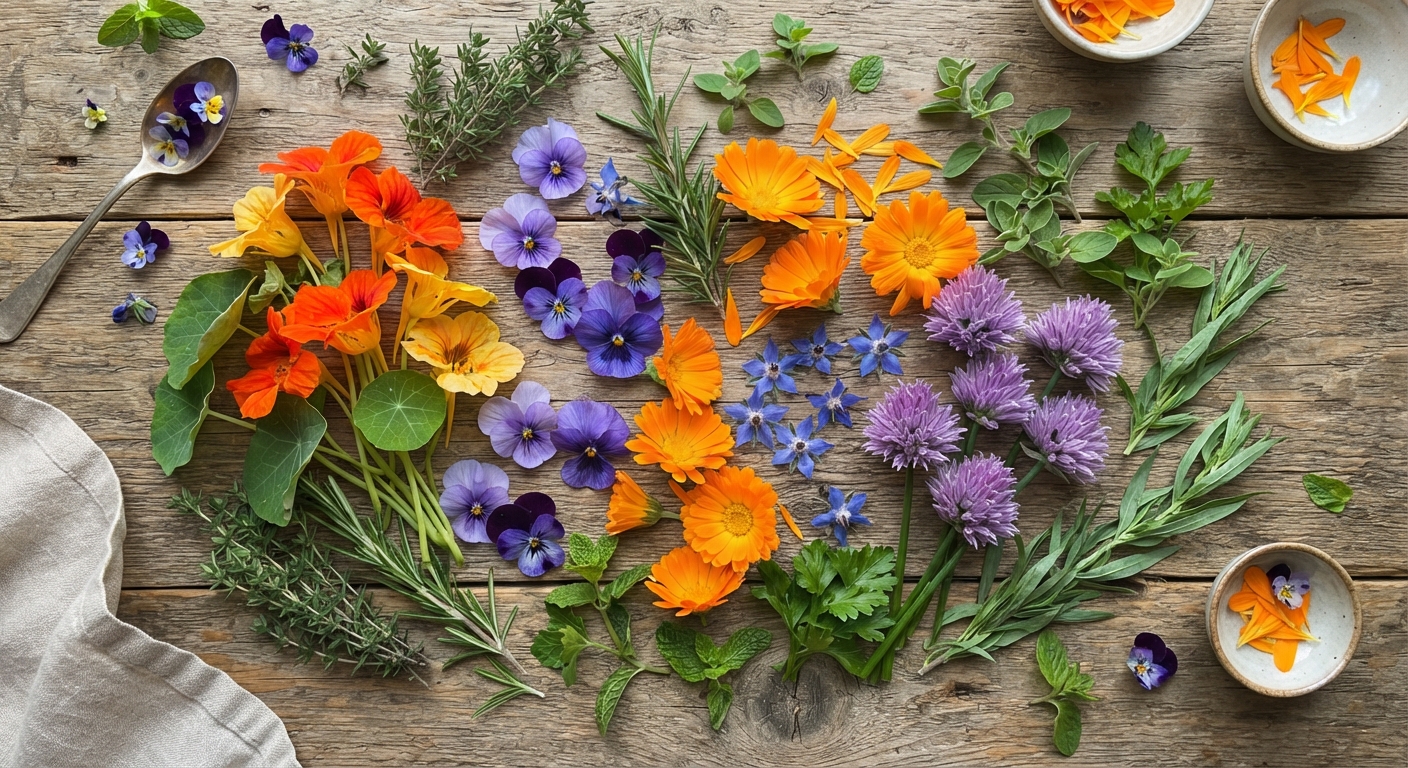
Flowers do more than brighten your garden. Many of them belong on your plate.
I remember the first time I tossed a handful of nasturtium petals into a summer salad. The peppery kick caught me off guard — it tasted like a cross between arugula and radish. That moment changed how I look at my garden. Every bloom became a potential ingredient.
The world of edible flowers is far bigger than most people realize. From common garden varieties to wild-growing blooms hiding in plain sight, there are dozens of flowers that add color, flavor, and surprising nutrition to everyday meals.
This guide covers 30 edible flowers you can safely eat, organized by how easy they are to find and use. For each flower, you will learn what it tastes like, which parts are edible, how to cook with it, and what safety precautions to take.
Important: Before we dive in — never eat a flower unless you have positively identified it. Some flowers are toxic. If you are unsure, skip it. And always source flowers from pesticide-free areas.
Why Eat Flowers? More Than Just Pretty Garnishes
Eating flowers is not some modern chef trend. Cultures across Asia, Europe, the Middle East, and the Americas have been cooking with flowers for thousands of years.
Squash blossoms show up in Mexican cuisine. Rose water flavors desserts across the Middle East and South Asia. Daylilies are a staple in Chinese hot and sour soup. Lavender perfumes French herbes de Provence. Flowers have always been food.
Beyond tradition, edible flowers offer real nutritional value. Many are rich in vitamin C, vitamin A, antioxidants, and bioactive compounds. Nasturtiums contain lutein and zeaxanthin — carotenoids linked to eye health. Calendula petals get their orange color from carotenoids and flavonoids with anti-inflammatory properties. Rose petals provide vitamin C and polyphenols.
Here is what edible flowers bring to your kitchen:
- Unique flavors — spicy, sweet, herbal, citrusy, floral, earthy. Flowers cover more flavor ground than most people expect.
- Visual impact — a handful of petals transforms a plain salad into something that stops conversation at the dinner table.
- Nutritional density — many edible flowers contain concentrated phytochemicals, vitamins, and antioxidants.
- Foraging opportunity — several grow wild and freely, costing nothing but your time and attention.
- Zero-waste gardening — harvesting flowers from productive plants like squash, chives, or arugula means getting more food from the same space.
Safety First: The Non-Negotiable Rules
Before getting into the list, understand these rules. They are not suggestions.
Never eat flowers you cannot identify with 100% certainty
Misidentification is the number one danger. Some toxic flowers look similar to edible ones. Sweet pea flowers (Lathyrus odoratus) look charming — but they are poisonous. Lily of the valley resembles wild garlic flowers but is highly toxic. Learn your flowers properly. Use a field guide. Cross-reference with at least two reliable sources.
Only eat flowers grown without pesticides
Flowers from florists, garden centers, and roadside stands are often treated with pesticides not approved for food crops. These chemicals are not something you want in your body. Grow your own, buy from organic farmers markets, or forage from areas you know are chemical-free.
Remove the bitter parts
Most edible flowers have a white base where the petals attach. This part — the calyx or receptacle — is often bitter. For roses, remove the white heel at the base of each petal. For daylilies, remove the stamen and pistil. For squash blossoms, remove the stamen or pistil inside.
Introduce flowers gradually
Like any new food, some people have allergic reactions to edible flowers. Start with small amounts. If you have hay fever or pollen allergies, be especially careful. The pollen in flowers can trigger reactions.
Know the unsafe flowers
These common flowers are toxic and should never be eaten: foxglove (Digitalis), lily of the valley (Convallaria majalis), oleander (Nerium oleander), azalea and rhododendron, delphinium, wisteria, monkshood (Aconitum), hydrangea, and autumn crocus (Colchicum autumnale). Memorize these. They have no place on your plate.
The Complete Edible Flowers List (30 Varieties)
Every flower on this list has been personally eaten and verified. I have organized them from most accessible to more unusual, so beginners can start at the top and work their way down.
1. Nasturtium (Tropaeolum majus)
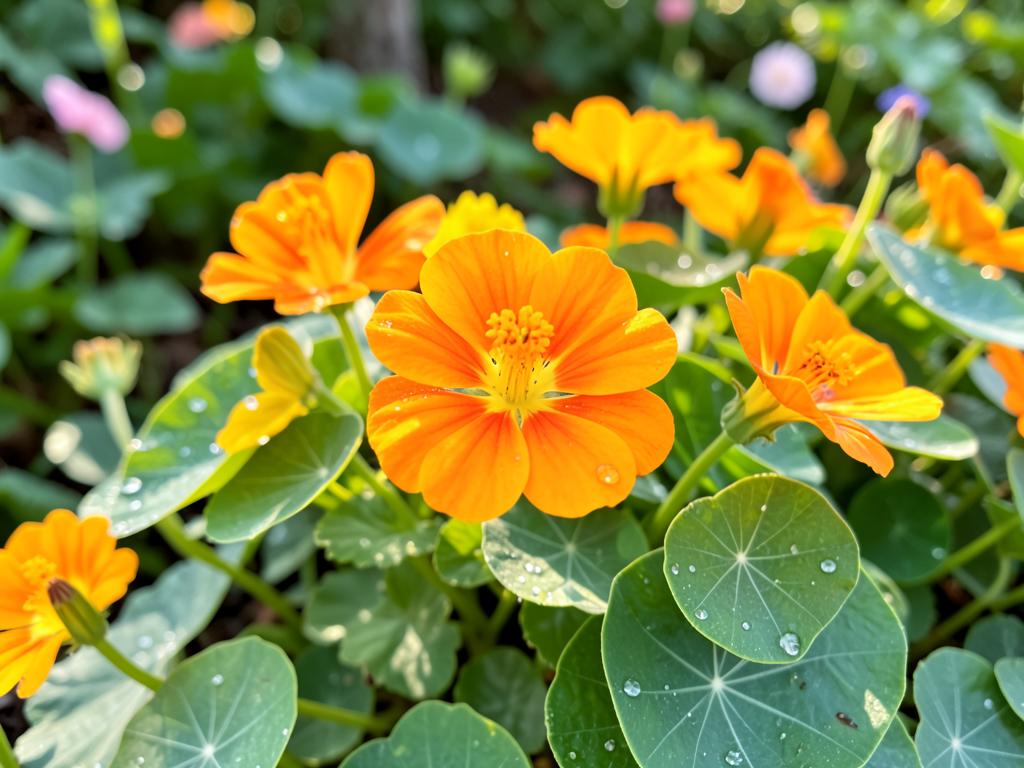
Taste: Peppery, spicy, similar to watercress or arugula
Edible parts: Flowers and leaves
Best uses: Salads, compound butter, vinegar infusions, pesto
Nasturtiums are the gateway edible flower. They grow easily, look stunning, and taste fantastic. The entire plant above ground is edible. Stuff the flowers with herbed cream cheese for a quick appetizer. Use the young leaves like you would arugula. The seed pods can be pickled to make “poor man’s capers.”
Nutritional note: High in vitamin C and lutein.
2. Calendula (Calendula officinalis)
Taste: Slightly peppery, tangy, earthy — often called “poor man’s saffron”
Edible parts: Petals only
Best uses: Rice dishes, soups, butter, skin salves, tea
Calendula petals release a golden-yellow color when cooked, which is why they earned that saffron nickname. They won’t give you saffron’s flavor, but they do add a warm, earthy note and beautiful color. Toss fresh petals into scrambled eggs, rice pilafs, or potato salad. Dried petals work well in tea blends.
Important: Only use Calendula officinalis, also known as pot marigold. Do not confuse it with ornamental marigolds (Tagetes species), which are different plants.
3. Borage (Borago officinalis)
Taste: Cucumber-like, mild, slightly sweet
Edible parts: Flowers and young leaves
Best uses: Summer drinks, salads, ice cubes, desserts
Borage flowers are nature’s cocktail garnish. Their vivid blue color and cucumber taste make them perfect for lemonade, gin and tonics, or fruit punches. Freeze the flowers in ice cube trays for a striking effect. The young leaves are also edible but become prickly as they mature.
Note: Borage contains small amounts of pyrrolizidine alkaloids. Moderate consumption as part of a varied diet is considered safe, but avoid large daily quantities over extended periods — especially if pregnant or nursing.
4. Chive Blossoms (Allium schoenoprasum)
Taste: Mild onion, garlic-like, subtle sweetness
Edible parts: The entire flower head, broken into individual florets
Best uses: Compound butter, infused vinegar, salads, potato dishes, eggs
Chive blossoms pack more flavor intensity than chive leaves but a gentler edge than raw onion. The purple pom-pom flowers separate into tiny individual florets — sprinkle these over deviled eggs, mashed potatoes, or grilled fish. Infuse white wine vinegar with whole chive blossoms and watch it turn a stunning pink within days.
5. Squash Blossoms (Cucurbita pepo and others)
Taste: Mild, squash-like, slightly sweet
Edible parts: Entire flower
Best uses: Stuffed and fried, quesadillas, soups, pasta
Squash blossoms are the most substantial edible flower on this list — large enough to stuff with cheese and herbs, then coat in a light batter and pan-fry. In Mexican cuisine, flor de calabaza appears in quesadillas, soups, and tamales. Pick male flowers (the ones without a small squash forming behind them) to leave the females to produce fruit.
Pro tip: Harvest squash blossoms early in the morning when they are fully open. They wilt fast — use them within 24 hours.
6. Rose (Rosa species)
Taste: Floral, perfumed, varies by variety — darker roses tend to be more intense
Edible parts: Petals only (remove the white heel at the base)
Best uses: Jams, syrups, desserts, Middle Eastern cooking, tea
All roses are edible, but not all roses taste worth eating. The most flavorful varieties tend to be the older, more fragrant cultivars — Damask roses (Rosa × damascena), rugosa roses (Rosa rugosa), and apothecary’s rose (Rosa gallica). Modern hybrid teas bred for looks over fragrance tend to be bland. Rose petals feature heavily in Persian, Turkish, Indian, and North African cuisines. Rose water, rose syrup, rose jam — the possibilities are endless.
Remove the white base of each petal. That part is bitter.
7. Lavender (Lavandula angustifolia)
Taste: Floral, slightly sweet, piney, camphor notes
Edible parts: Flowers, young leaves
Best uses: Desserts, shortbread, lemonade, tea blends, herbes de Provence
English lavender (Lavandula angustifolia) is the variety you want for cooking. French and Spanish lavenders have higher camphor content and a more medicinal taste. Lavender pairs beautifully with lemon, honey, dark chocolate, and stone fruits. A little goes a long way — too much lavender makes food taste like soap.
Classic use: Lavender shortbread cookies with lemon zest. Undefeated.
8. Violas, Violets, and Pansies (Viola species)
Taste: Mild, sweet, slightly lettuce-like
Edible parts: Entire flower
Best uses: Salads, cake decoration, candied flowers, cocktails
Viola flowers are the easiest way to make any dish look expensive. Their flat shape makes them perfect for crystallizing (candying) — brush with egg white, dust with superfine sugar, and let dry. Candied violas keep for months and turn simple cakes and cupcakes into showpieces. Fresh violas add gentle sweetness to green salads.
9. Daylily (Hemerocallis fulva)
Taste: Sweet, crunchy, faintly vegetal — similar to sweet lettuce or snow peas
Edible parts: Flower buds, fully open flowers, dried petals
Best uses: Stir-fries, soups, tempura, salads, traditional Chinese hot and sour soup
Daylilies are a staple ingredient across East Asian cuisines. In Chinese cooking, dried daylily buds — jīn zhēn or “golden needles” — are an essential component of hot and sour soup and mu shu pork. Fresh buds can be stir-fried with garlic, stuffed, or battered for tempura.
Critical safety note: Daylilies (Hemerocallis) are not true lilies (Lilium). True lilies are toxic. Make sure you have daylilies, not true lilies. The plants are easy to distinguish: daylilies have grass-like leaves growing from the base, while true lilies have a central stalk with leaves arranged along it.
Some people experience digestive discomfort from eating raw daylilies. Cook them thoroughly the first time you try them.
10. Chamomile (Matricaria chamomilla and Chamaemelum nobile)
Taste: Sweet, apple-like, honeyed
Edible parts: Flowers
Best uses: Tea, honey infusions, simple syrup, panna cotta
Most people know chamomile as a sleepy-time tea, but the flowers have a delicate apple-honey flavor that works in far more than just hot water. Steep chamomile flowers in warm cream for panna cotta or ice cream base. Infuse honey with dried chamomile. The small daisy-like flowers make a pretty edible garnish.
11. Hibiscus (Hibiscus sabdariffa)
Taste: Tart, cranberry-like, citrusy
Edible parts: Calyces (the fleshy red part around the seed pod)
Best uses: Tea (agua de jamaica), jams, sauces, cocktails, sorbet
The hibiscus used for food is Hibiscus sabdariffa, also called roselle. The deep red calyces brew into a tart, ruby-colored tea that is popular across the Caribbean, Mexico, West Africa, and Southeast Asia. In Mexico it is agua de jamaica. In the Caribbean it is sorrel drink. In Senegal it is bissap. The flavor is similar to cranberry juice and contains high levels of vitamin C and antioxidants.
12. Dandelion (Taraxacum officinale)
Taste: Sweet, honey-like (flowers); bitter (leaves)
Edible parts: Flowers, leaves, roots
Best uses: Dandelion wine, fritters, tea, salads, coffee substitute (roasted roots)
Every part of the dandelion is edible. The flowers have a surprisingly sweet, honey-like flavor when picked fresh and young. Dip whole flower heads in batter and fry them into golden fritters. Steep flowers in hot water for a mild, sweet tea. Young leaves make a slightly bitter salad green — excellent with a warm bacon vinaigrette.
Dandelions are one of the safest wild edibles because nearly everyone can recognize them. Just make absolutely sure your harvesting area has not been sprayed with herbicides.
13. Elderflower (Sambucus nigra)
Taste: Floral, sweet, muscat grape-like, slightly honeyed
Edible parts: Flowers only (berries must be cooked)
Best uses: Cordial, champagne, fritters, jelly, sorbet
Elderflower cordial is one of the great pleasures of early summer foraging. The creamy-white flower heads appear in late spring to early summer and smell intoxicating — floral, slightly musky, and sweet. Steep the flower heads in sugar syrup with lemon to make cordial. Dilute with sparkling water for elderflower pressé or add to champagne for an elderflower cocktail.
Important: Elderflowers are safe to eat raw. Elderberries, however, contain compounds that can cause nausea when eaten raw — they must be cooked. Also, do not confuse elder with water hemlock or giant hogweed when foraging.
14. Bee Balm (Monarda didyma)
Taste: Citrusy, oregano-like, slightly minty — very similar to Earl Grey tea
Edible parts: Flowers and leaves
Best uses: Tea, salads, fruit salads, poultry seasoning
Bee balm, also called bergamot or Oswego tea, tastes remarkably like Earl Grey tea — because it contains the same aromatic compound (thymol) as the bergamot orange oil used to flavor Earl Grey. Native Americans used bee balm as a medicinal tea, and it was adopted as a tea substitute by American colonists after the Boston Tea Party. The bright red, pink, or purple flowers make a dramatic edible garnish.
15. Marigold (Tagetes species, specific culinary varieties)
Taste: Citrusy, slightly spicy, sometimes described as “saffron-like” with tarragon notes
Edible parts: Petals of Tagetes lucida, Tagetes tenuifolia, Tagetes patula
Best uses: Rice, soups, salads, herbal tea
Not to be confused with calendula (pot marigold), true marigolds (Tagetes) include several culinary varieties. Tagetes lucida, known as Mexican tarragon or Mexican marigold, has an anise-tarragon flavor. The petals of signet marigolds (Tagetes tenuifolia) have a bright citrus taste. Use sparingly — marigold flavor can dominate.
16. Lilac (Syringa vulgaris)
Taste: Floral, slightly bitter, lemony — reminiscent of the fragrance
Edible parts: Individual florets
Best uses: Lilac sugar, syrups, cordials, crystallized florets
Lilacs taste the way they smell — intensely floral and slightly astringent. The flavor is delicate and easily overwhelmed, which makes lilac perfect for infusions rather than direct eating. Bury fresh florets in sugar for a few weeks to make lilac sugar. Steep in simple syrup for cocktails and lemonade. The extended bloom window in cooler climates means multiple harvests from the same bush.
17. Honeysuckle (Lonicera japonica and certain other species)
Taste: Sweet nectar, honey-like
Edible parts: Nectar only — pull the stigma through the base of the flower
Best uses: Nectar pulled directly from the flower, infused syrup, tea
Anyone who grew up near honeysuckle vines knows the childhood ritual: pinch the base of the flower, gently pull the stigma through, and taste the single drop of nectar that appears. It is pure sweetness. Japanese honeysuckle flowers can be used for tea and syrup. The berries are toxic — do not eat them. Only certain honeysuckle species have edible flowers; many are toxic. Stick to well-identified Lonicera japonica.
18. Anise Hyssop (Agastache foeniculum)
Taste: Licorice, anise, minty, sweet
Edible parts: Flowers and leaves
Best uses: Tea, salads, fruit salads, herbal honey, baked goods
Anise hyssop is a North American native perennial in the mint family with a strong anise-licorice flavor. Use it anywhere you would use fennel or anise — sprinkle fresh florets over fruit salad, especially melon or peach. Brew the flowers and leaves as a naturally sweet herbal tea. Bees love this plant as much as people do, which is how it earned the alternative name “licorice mint.”
19. Scented Geranium (Pelargonium species, scented varieties)
Taste: Varies by variety — rose, lemon, mint, nutmeg, apple, chocolate
Edible parts: Flowers and leaves
Best uses: Flavored sugar, cake decoration, syrup, jelly, tea
Scented geraniums are the flavor chameleons of the edible flower world. Depending on the cultivar, the flowers and leaves taste like rose, lemon, peppermint, nutmeg, apple, or even chocolate. Use them exactly as you would their flavor namesakes: line cake pans with rose-scented geranium leaves, steep lemon-scented leaves in tea, use flowers as aromatic garnish. Just make sure you have a scented pelargonium, not a common zonal geranium which is not intended for culinary use.
20. Dianthus (Dianthus species — carnations, pinks, sweet William)
Taste: Sweet, clove-like, spicy
Edible parts: Petals
Best uses: Dessert garnishes, flavored sugar, wine and cocktail infusions, crystallized petals
Carnations and pinks have been used in European cooking for centuries. The petals carry a spicy, clove-like flavor — Dianthus literally means “divine flower.” The flavor intensity varies by variety, with older heirloom pinks generally having more flavor. Remove the bitter white base of each petal before using. Crystallize them for cake decoration, steep in wine for a clove-like kick, or scatter fresh petals over fruit desserts.
21. Cornflower (Centaurea cyanus)
Taste: Mild, slightly sweet, clove-like
Edible parts: Petals and individual florets
Best uses: Salad garnish, cake decoration, tea blends, butter
Cornflower petals retain their electric blue color even when dried, which is why they appear in so many commercial tea blends (Lady Grey, anyone?). The flavor is delicate and slightly spicy. Dry the petals for tea blends, scatter fresh petals over salads for a color pop, or incorporate into compound butter for a striking presentation.
22. Hollyhock (Alcea rosea)
Taste: Mild, slightly sweet, vegetal
Edible parts: Petals
Best uses: Salads, garnish, stuffed flowers, crystallized
Hollyhocks are the quintessential cottage garden flower, and their large, satiny petals are completely edible. The petals have a mild, slightly mucilaginous texture — similar to okra but much more subtle. Use the large petals as natural cups for fruit sorbet, stuff them with savory fillings, or toss into summer salads. The darker varieties have more visual impact on the plate.
23. Gladiolus (Gladiolus species)
Taste: Mild, lettuce-like, slightly sweet
Edible parts: Petals
Best uses: Salads, stuffed, tempura, garnish
This one surprises most people. Gladiolus petals are edible and quite mild — somewhere between lettuce and melon in flavor. The large petals can be used as natural wrappers for savory fillings or dipped in tempura batter and fried crisp. Remove the bitter base where petals attach before using.
24. Fuchsia (Fuchsia species)
Taste: Varies — sweet to slightly tart, juicy
Edible parts: Flowers and berries
Best uses: Salads, dessert garnish, eating straight off the plant
Fuchsia flowers look almost too intricate to be real, let alone edible. The entire flower is safe to eat, and the varieties with darker sepals and petals tend to have more flavor. The real prize, though, is the berry that follows — fuchsia berries are small, dark purple, and taste like a cross between a fig and a kiwi. Some varieties produce much better fruit than others.
25. Apple Blossom (Malus domestica)
Taste: Delicate, floral, slightly fruity, faint almond note
Edible parts: Petals
Best uses: Salads, fruit salads, garnish, infused syrups
Apple blossoms carry a delicate floral-fruity flavor that mirrors their fragrance. The petals are small but beautiful, ranging from pure white to deep pink depending on the variety. Scatter them over apple desserts for thematic perfection. Use only petals in moderation — apple seeds and leaves contain cyanogenic compounds and are not safe in quantity.
26. Citrus Blossoms (Citrus species — orange, lemon, lime, grapefruit)
Taste: Intensely fragrant, sweet, distinctly citrus-floral
Edible parts: Petals
Best uses: Syrups, custards, tea, ice cream, pastry cream
Citrus blossoms are the perfume of the orchard made edible. Orange blossom water is a cornerstone of Middle Eastern pastry, and lemon blossoms carry a similar magic. Steep the petals in warm cream for custards and ice creams, or make a citrus blossom simple syrup for cocktails and lemonade. Like apple blossoms, use petals only — and sparingly, because the flavor is potent.
27. Clover (Trifolium species — red clover, white clover)
Taste: Sweet, mild, slightly green — red clover has a more distinct flavor
Edible parts: Individual florets, young leaves
Best uses: Tea, salads, flour additive, jelly
Red clover and white clover flowers are both edible and nutritious. Red clover is especially well-documented — it has a long history in herbal medicine and makes a mildly sweet, pleasant tea. Individual clover florets can be pulled from the flower head and scattered over salads. The dried flower heads can be ground into flour as a nutritional supplement.
Note: Fermenting clover flowers reduces compounds that can interfere with digestion. Cook or dry-ferment them if eating in quantity.
28. Sunflower (Helianthus annuus)
Taste: Nutty, slightly bitter, artichoke-like
Edible parts: Petals, unopened buds, seeds
Best uses: Steamed buds (like artichokes), petal garnish, sunflower seed harvesting
Sunflower petals are edible — slightly bitter, nutty, and similar in flavor to artichoke leaves. The real edible star, though, is the unopened sunflower bud. When the flower bud is tight and green, steam or boil it whole. It tastes remarkably like artichoke and was eaten by Native Americans long before European contact. Remove the green bracts and enjoy with melted butter.
29. Tulip (Tulipa species)
Taste: Sweet, crisp, slightly pea-like — varies by color
Edible parts: Petals
Best uses: Salad, stuffed petals, garnish
Tulip petals have a pleasant, slightly sweet crunch with a flavor that might remind you of sugar snap peas or butter lettuce. During the Dutch famine of 1944-45, tulip bulbs were eaten as famine food — but the bulbs contain compounds that can cause digestive distress and should not be eaten in quantity. Stick to the petals, which are safe and delicious. The white base is bitter — remove it.
Note: Some people are allergic to tulips. Test with a small amount first.
30. Society Garlic (Tulbaghia violacea)
Taste: Garlic-like with a sweet edge, milder than true garlic
Edible parts: Flowers and leaves
Best uses: Salads, compound butter, garnish for savory dishes, infused oil
Society garlic earned its name because, unlike true garlic, eating it does not leave you with garlic breath that offends polite company. The lavender-pink flowers have a delicate garlic flavor that is closer to chives than garlic cloves. Use them anywhere you want garlic flavor without the intensity — salads, compound butter, grilled vegetables, or as a garnish over soups.
Quick Reference: Edible Flower Taste Guide
| Flower | Dominant Taste | Best Raw or Cooked | Flavor Intensity |
|---|---|---|---|
| Nasturtium | Peppery, spicy | Raw | Strong |
| Calendula | Earthy, tangy | Either | Mild |
| Borage | Cucumber | Raw | Mild |
| Chive Blossom | Onion, garlic | Raw | Medium |
| Rose | Floral, perfumed | Either | Medium |
| Lavender | Floral, piney | Cooked/baked | Strong |
| Viola/Pansy | Mild sweet | Raw | Mild |
| Daylily | Sweet, crunchy | Cooked preferred | Mild |
| Squash Blossom | Mild squash | Cooked | Mild |
| Hibiscus | Tart, cranberry | Cooked/steeped | Strong |
| Dandelion | Honey-sweet | Either | Mild |
| Elderflower | Muscat, floral | Raw/steeped | Medium |
| Bee Balm | Citrus, Earl Grey | Either | Medium |
| Sunflower | Nutty, artichoke | Cooked | Mild |
| Tulip | Pea-like, sweet | Raw | Mild |
How to Harvest, Store, and Prepare Edible Flowers
Harvesting Tips
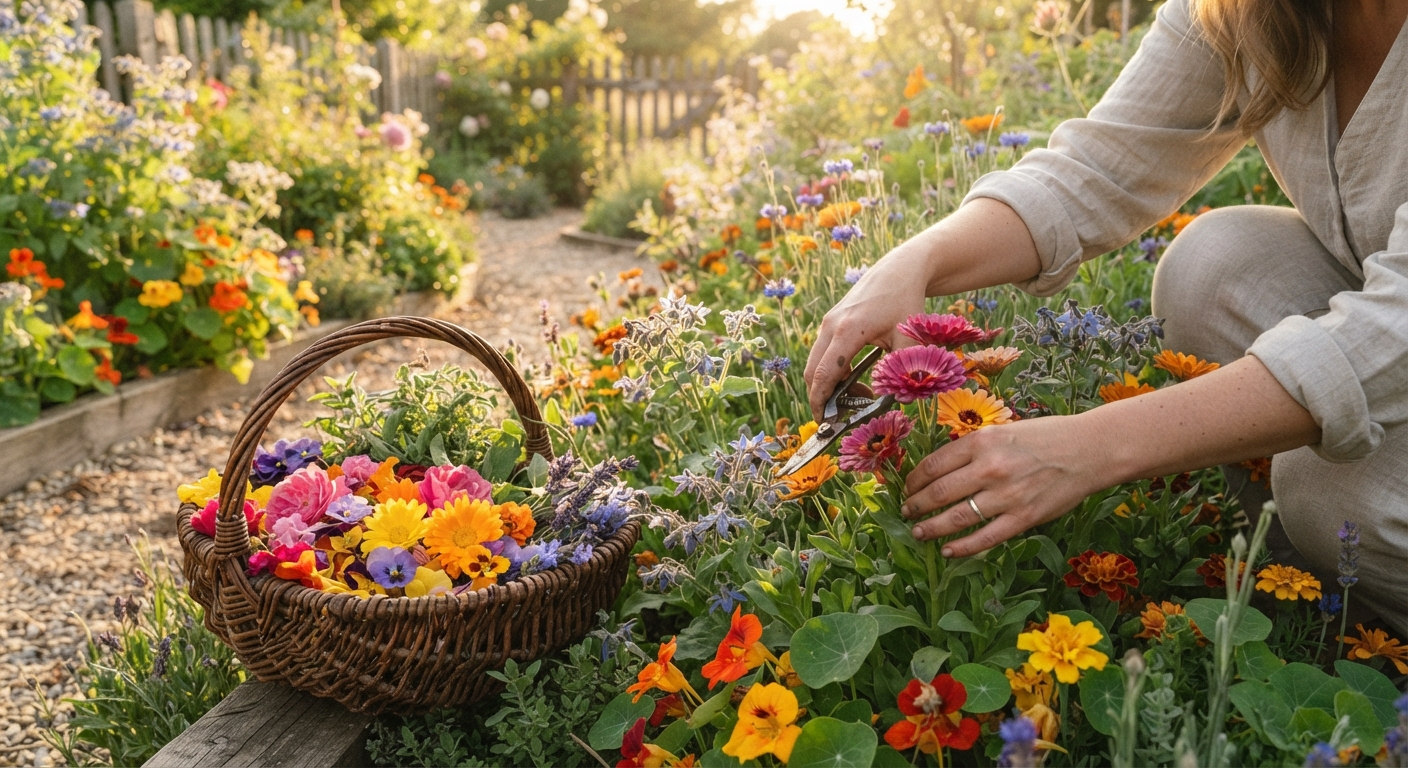
Pick flowers early in the morning, after the dew has dried but before the sun gets hot. This is when flowers are at their most hydrated and flavorful. Choose flowers that are fully open but not fading. Avoid flowers that show signs of insect damage or disease.
Use clean scissors or garden shears. For flowers you plan to eat raw, consider bringing a container of cool water to the garden and placing cut flowers directly in it — this keeps them crisp.
Storage
Edible flowers are ephemeral. Most fade within a day or two. Here is how to keep them longer:
- Refrigerate: Place between damp paper towels in an airtight container. Nasturtiums, violas, and borage hold up best — you might get 3 to 5 days.
- Freeze whole: Small flowers like borage and violas freeze beautifully in ice cube trays with water.
- Crystallize (candy): Brush violas, rose petals, or pansies with egg white, dust with superfine sugar, and dry. They keep for months.
- Dry: Calendula, chamomile, lavender, cornflower, and rose petals dry well. Spread on screens in a warm, dark, ventilated space.
- Infuse: Turn flowers into syrups, vinegars, or cordials immediately while they are fresh.
Preparation
Always wash flowers gently in cool water and pat dry before using. Remove stamens, pistils, and the white base of petals unless a recipe specifically instructs otherwise.
Five Easy Recipes to Get Started
Nasturtium Pesto (5 minutes)
Blend 2 cups nasturtium leaves and flowers, 1/2 cup olive oil, 1/3 cup toasted pine nuts or walnuts, 2 garlic cloves, and 1/2 cup grated Parmesan. Season with salt and pepper. Use on pasta, sandwiches, or as a dip.
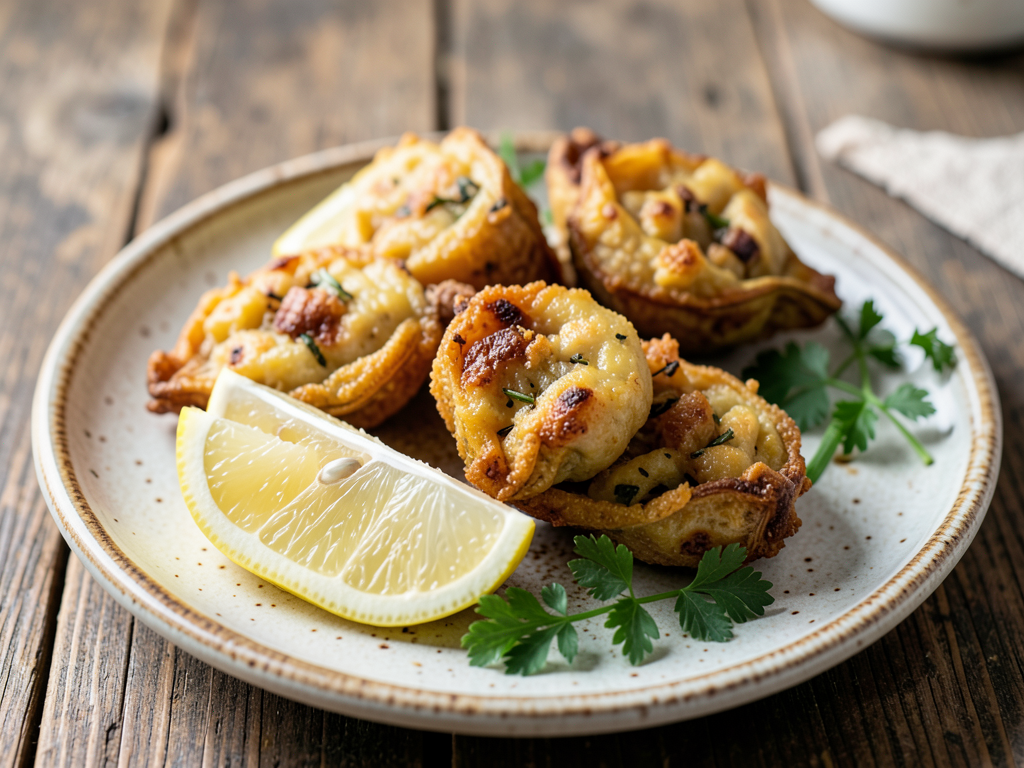
Elderflower Cordial (makes 1 liter, plus steeping)
Steep 15-20 elderflower heads in a syrup made from 1 liter water, 750g sugar, 2 sliced lemons, and 50g citric acid. Cover and steep 24 hours. Strain, bottle, and refrigerate. Dilute with sparkling water to serve.
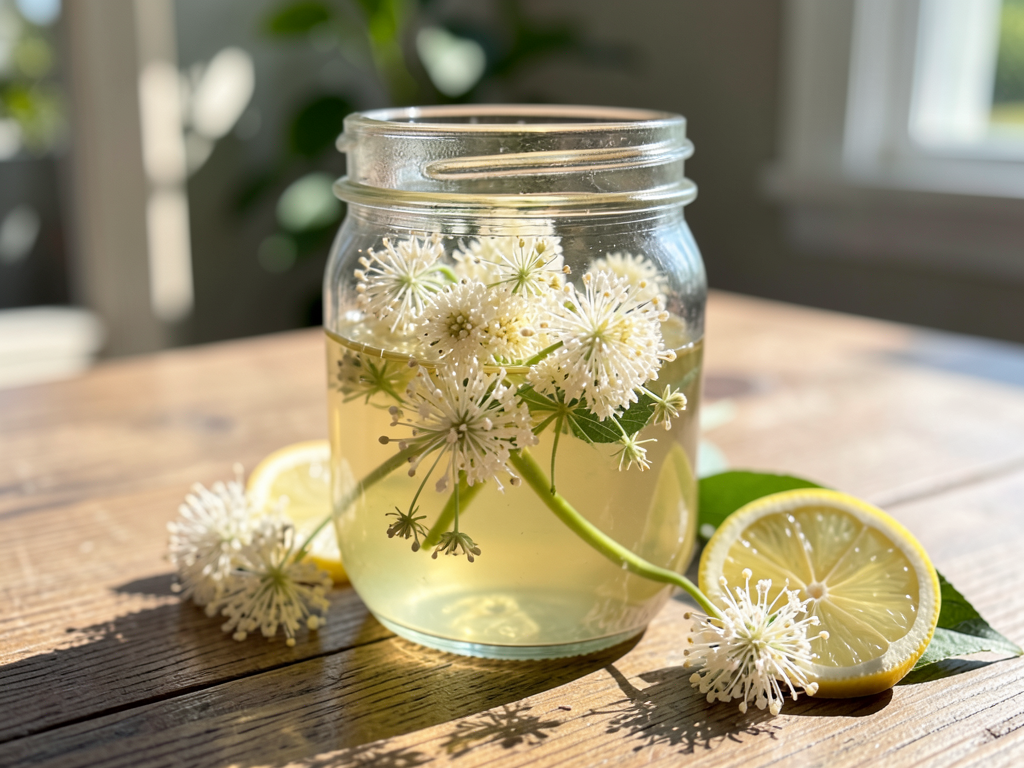
Calendula Rice (20 minutes)
Sauté 1 small diced onion in butter until soft. Add 1 cup basmati rice and 2 cups chicken or vegetable stock. Simmer until rice is done. Stir in a generous handful of fresh calendula petals and season with salt and pepper. The petals will release golden color into the rice.
Fried Squash Blossoms (15 minutes)
Make a light batter from 3/4 cup flour, 1/2 cup sparkling water, 1 egg, and a pinch of salt. Stuff each blossom with a small piece of mozzarella or goat cheese and a fresh basil leaf. Twist petals closed. Dip in batter and fry in hot oil until golden — about 2 minutes per side. Serve immediately with a squeeze of lemon.
Rose and Honey Panna Cotta (4 hours with chilling)
Warm 2 cups heavy cream with a large handful of cleaned, de-heeled rose petals and 3 tablespoons honey. Steep 30 minutes off heat. Strain and reheat with 1 teaspoon gelatin bloomed in cold water. Pour into ramekins, chill until set, and garnish with fresh rose petals.
Common Mistakes People Make With Edible Flowers
Eating any flower that “looks pretty”
Pretty does not equal edible. Some of the most beautiful garden flowers — foxglove, delphinium, monkshood — are deadly poisonous. Never eat a flower based on appearance alone.
Not checking for pesticide use
This is the most common mistake. People assume flowers from their local nursery or florist are chemical-free because they “look natural.” They are not. Commercial flowers are heavily sprayed. Grow your own from seed, buy certified organic, or forage from verified safe areas.
Eating the whole flower without removing bitter parts
That white base on rose petals? Bitter. The stamens in squash blossoms? Bitter. The calyx on many flowers? Bitter. A few seconds of prep makes the difference between an elegant ingredient and something you will never try again.
Going overboard with floral flavors
Edible flowers are intense — more akin to herbs and spices than salad greens. A single lavender flower can perfume an entire batch of shortbread. Start with less than you think you need, taste, and adjust.
Confusing similar species
Daylily versus true lily. Calendula versus ornamental marigold. Sweet pea versus edible pea flower. Elder versus water hemlock. These are not subtle distinctions, but they require learning. Invest in a good plant identification guide and never rely on a single source — especially not a smartphone app alone.
Frequently Asked Questions
Can you eat flowers from a florist or grocery store?
No. Florist flowers and supermarket bouquet flowers are grown with pesticides, fungicides, and preservatives not approved for food use. Only eat flowers labeled as edible or food-grade, from farmers markets, your own garden, or trusted forage spots.
Do edible flowers have nutritional value?
Yes. Many edible flowers contain vitamins, minerals, antioxidants, and bioactive phytochemicals. Nasturtiums are high in vitamin C, calendula contains carotenoids, hibiscus is rich in antioxidants, and rose petals provide polyphenols. The quantities are small per serving, but they are real.
Can you eat flowers raw?
Most edible flowers on this list can be eaten raw. The exceptions — daylilies, elderberries, some clovers — benefit from or require cooking. Always check the specific flower before consuming it raw. If you have a sensitive digestive system, start with small quantities of any flower you have not tried before.
Which edible flowers taste the best?
This depends entirely on your palate, but nasturtium (spicy), borage (cucumber), rose (floral), elderflower (sweet muscat), and squash blossom (mild) are near-universal crowd-pleasers. Chive blossoms are excellent if you like onion flavors.
Are all rose flowers edible?
All true roses (Rosa species) are edible, but darker, more fragrant varieties taste significantly better than modern hybrid teas. Damask, rugosa, and gallica roses are the gold standards for culinary use.
Can you eat flowers from wild plants?
Yes — if you can positively identify them and the harvesting area is free of pesticides, herbicides, and vehicle exhaust. Wild dandelion, elderflower, red clover, and violet are excellent foraging candidates. The identification responsibility is yours — do not eat anything you are not 100% sure about.
What part of the flower do you eat?
For most edible flowers, you eat the petals only — not the stamens, pistils, or calyx (the green base). Notable exceptions: squash blossoms and daylily buds are eaten whole, and viola/pansy flowers are eaten entirely (including the green base).
Which flowers should you never eat?
Do not eat: foxglove, lily of the valley, oleander, azalea, rhododendron, delphinium, wisteria, monkshood, hydrangea, autumn crocus, daffodil, iris, buttercup, and sweet pea. This is a partial list — when in doubt, do not eat it.
Bringing Edible Flowers Into Your Everyday Kitchen
You do not need to be a chef or a hardcore forager to cook with flowers. Start with four easy flowers — nasturtium, chive blossoms, violas, and calendula — available as seeds from any garden center or edible flower supplier. Grow them in pots on a balcony or windowsill if you do not have a garden. Harvest what you need. Get comfortable.
From there, the world opens up. Elderflowers on a summer walk. Squash blossoms from the vegetable patch. Roses from the garden. Wild violets in the lawn. Each new flower connects you a little more to the seasons and to food traditions that stretch back thousands of years.
There is something quietly rebellious about cooking with flowers. In a food culture built around efficiency and uniformity, flowers are the opposite — fleeting, seasonal, impossible to standardize. They demand attention. They reward patience. They make food feel like an occasion instead of fuel.
Start small. Pick one flower from the list. Taste it. Cook with it. Then try another. You will never look at a garden the same way again.