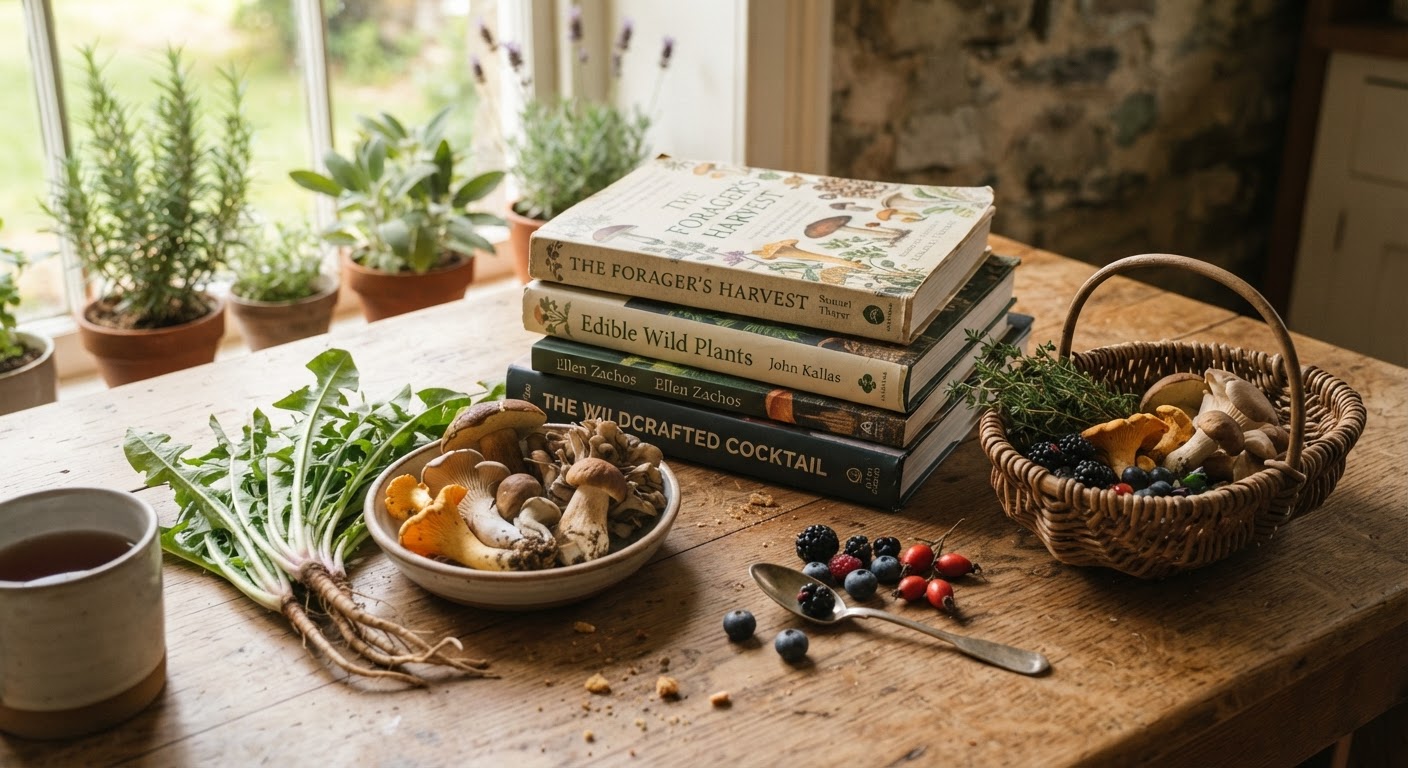
Last fall, I stood in my kitchen staring at a basket of perfect, freshly foraged chanterelles. Golden, fragrant, worth about $40 at any farmers market — and I had absolutely no idea what to do with them beyond “sauté in butter.”
I sautéed them in butter. They were fine. Fine enough that I kicked myself for a week afterward, knowing I’d turned a premium wild ingredient into something that tasted like… sautéed mushrooms with butter.
That’s the gap nobody talks about in the foraging world. Everyone focuses on identification — and for good reason, since misidentifying plants can kill you. But the real question most foragers face after their first successful harvest is quieter and more awkward: What do I actually cook with this stuff?
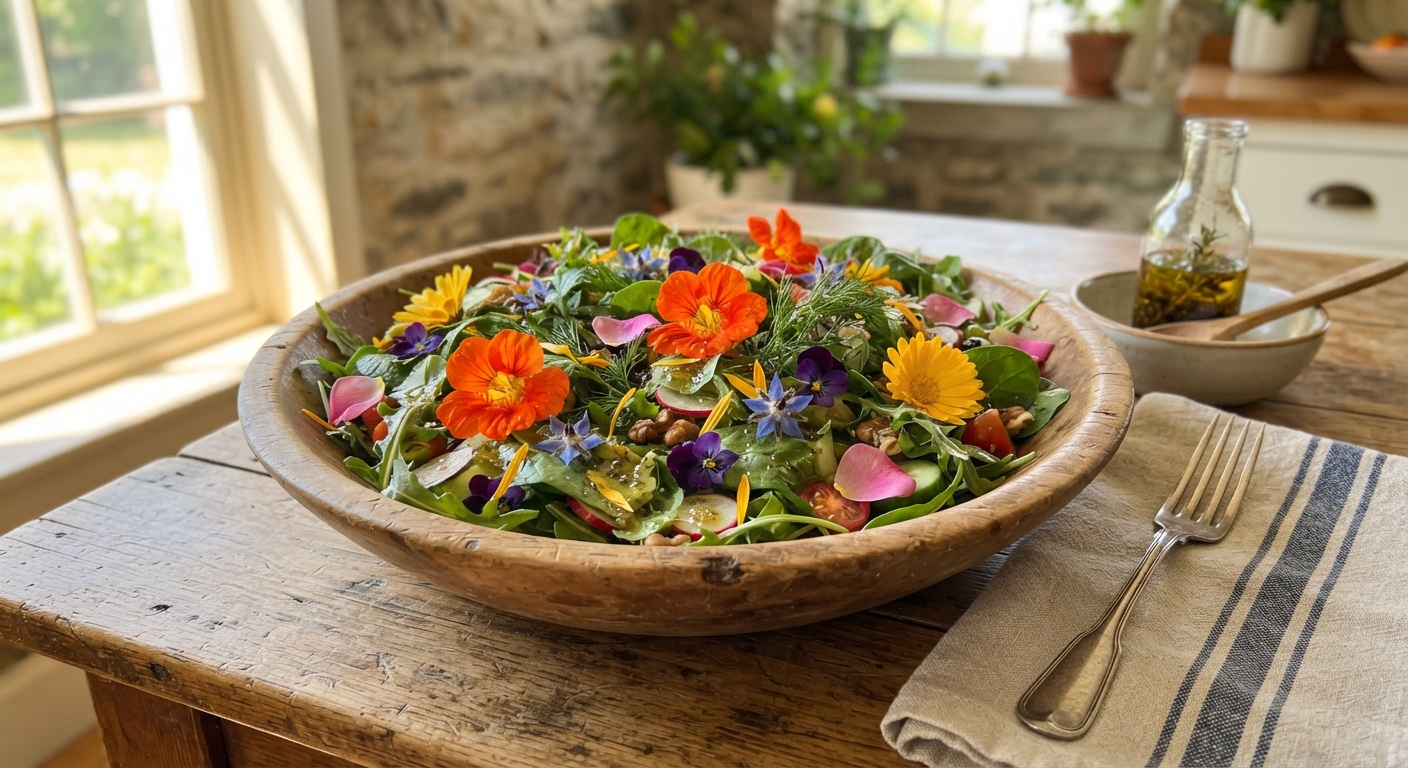
A dandelion is a dandelion. You can put it in a salad. But a dandelion gratin with gruyère and breadcrumbs, baked until golden and bubbling? That’s when foraging stops being a survival skill and starts being a culinary adventure.
This guide covers the best foraging cookbooks — the books that assume you already know what you’re picking and focus entirely on what happens next: in your kitchen, at your stove, on your plate.
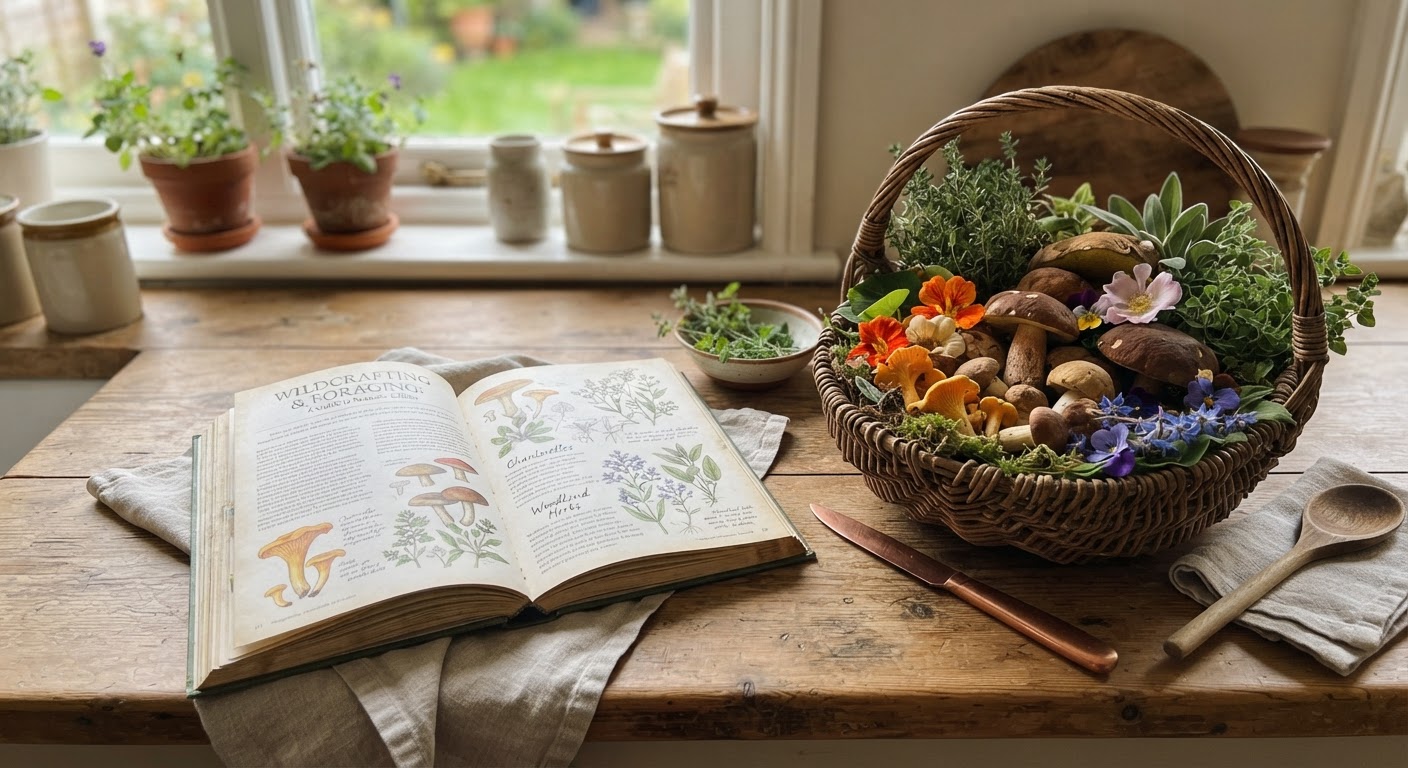
Why You Need a Foraging Cookbook (Separate From a Field Guide)
There’s a reason field guides and cookbooks are different things. A field guide tells you what something is. A cookbook tells you what to do with it. The skills don’t overlap as much as you’d think.
I’ve watched experienced foragers — people who can identify thirty species of wild greens from twenty paces — serve up meals that taste like lawn clippings and regret. Identifying plants is botany. Cooking them is chemistry, technique, and a little bit of art.
Wild ingredients behave differently than their domesticated cousins:
- Nettles contain formic acid that needs heat to neutralize. Under-blanch them and your soup stings your throat.
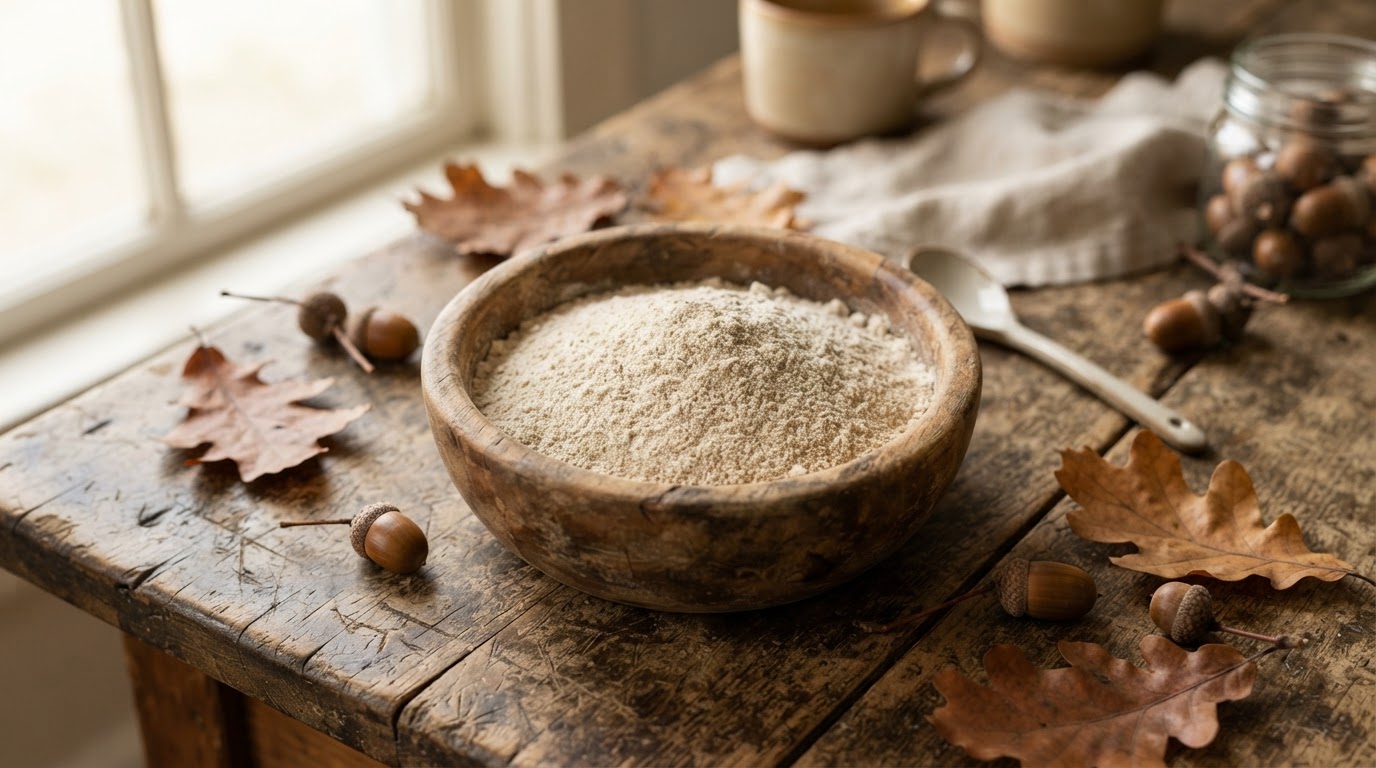
- Acorn flour has no gluten and behaves more like almond flour than wheat flour. Swap it 1:1 into a bread recipe and you’ll get a dense, crumbly brick.
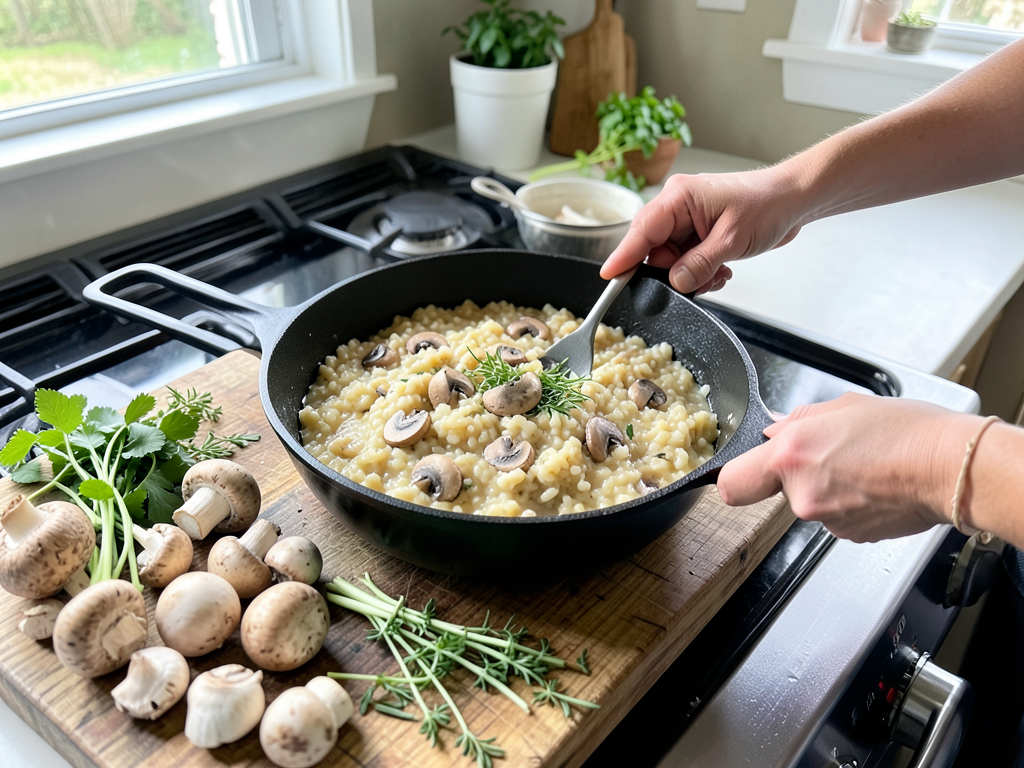
- Wild mushrooms release enormous amounts of water when cooked. Toss them straight into a hot pan with other ingredients and you’re steaming, not sautéing.
- Dandelion greens are intensely bitter compared to store-bought arugula. They need fat, acid, salt, and sometimes a blanching step to become pleasant rather than punishing.
A good foraging cookbook teaches you these quirks. It doesn’t just list ingredients and steps — it explains the why behind each technique. That’s the difference between a book you’ll use twice and one you’ll reach for every time you come home with a basket full of wild food.
What Makes a Great Foraging Cookbook
Before diving into specific titles, here’s what I look for in a wild food cookbook:
Seasonal organization. Wild ingredients don’t appear year-round. The best cookbooks are structured by season — spring greens, summer berries, fall mushrooms, winter roots — so you can open to the right section based on what’s actually growing outside your door right now.
Technique chapters. A cookbook that jumps straight to recipes without teaching foundational techniques is like a field guide without identification keys. I want sections devoted to blanching, leaching, dehydrating, infusing, and fermenting wild ingredients.
Ingredient substitution notes. Wild food is inherently unpredictable. You might find ramps but not wild garlic, morels but not chanterelles, elderflowers but not elderberries. A great cookbook tells you what you can swap when nature doesn’t cooperate with your shopping list.
Multiple skill levels. The best wild food cookbooks include dead-simple recipes for Tuesday night (sautéed dandelion greens with garlic and lemon, 10 minutes) alongside project recipes for a weekend afternoon (acorn flour pasta from scratch, 3 hours).
Honest flavor descriptions. I distrust any foraging cookbook that describes every wild green as “delicious” and every mushroom as “meaty and rich.” Wild food is nuanced — some plants are aggressively bitter, some mushrooms are slimy when cooked wrong, some berries are bland but beautiful. Honesty builds trust.
The Top 10 Foraging Cookbooks Worth Your Shelf Space
1. The Forager’s Feast by Leda Meredith
If you buy exactly one foraging cookbook, make it this one. Leda Meredith is a professional forager and chef based in Brooklyn, and her approach bridges the gap between “survival food” and “actual cooking” better than anyone else writing today.
What stands out: Meredith organizes recipes by plant, not by meal type. Each entry has a “How to Identify” sidebar (brief, for confirmation, not primary ID), a “Harvest Calendar,” and a “How to Process” section before the recipes begin. You get 5-8 recipes per plant, which means if you find a massive patch of purslane, you’re not stuck making the same salad for two weeks.
Best recipes: Nettle spanakopita, dandelion flower fritters with honey, Japanese knotweed crumble, purslane and cucumber tzatziki.
Best for: Foragers who bring home big batches of one thing and need variety.
2. Wildcrafted: Cooking With Wild Foods by Pascal Baudar
Pascal Baudar is an outlier — a Belgian-born forager living in Los Angeles who treats wild food like a Michelin-starred chef treats a tasting menu. His books are part cookbook, part art book, part fermentation manual.
What stands out: Baudar goes deep on preservation techniques nobody else covers — wild herb ash salts, lacto-fermented wild greens, pine needle vinegar, acorn miso. These aren’t quick weeknight recipes. They’re projects that transform wild ingredients into pantry staples you’ll use for months.
Best recipes: Wild herb-infused cheeses, pine-smoked wild mushrooms, fermented cattail hearts, elderberry capers.
Best for: Advanced home cooks who want to push boundaries. Not for beginners looking for quick dinners.
3. The Wild Table by Connie Green and Sarah Scott
Connie Green is the foraging legend who supplied wild mushrooms to The French Laundry for over two decades. If Thomas Keller trusts her taste, you probably should too.
What stands out: This is the book for seasonal cooking. It’s organized by season — spring, summer, fall, winter — and each section opens with a foraging story from Green’s decades-long career. The recipes come from professional chefs (Sarah Scott is a trained chef who worked at Napa Valley’s finest restaurants), so the techniques are polished.
Best recipes: Morel mushroom and asparagus risotto, wild huckleberry clafoutis, fiddlehead fern and prosciutto pasta, candy cap mushroom crème brûlée.
Best for: People who want restaurant-quality wild food at home.
4. Backyard Foraging by Ellen Zachos
Don’t let the title fool you — this isn’t just about foraging. Roughly half the book is recipes, and they’re some of the most accessible wild food recipes in print.
What stands out: Zachos focuses exclusively on plants that grow in urban and suburban yards — the “weeds” you probably already have. Daylilies, hostas, dandelions, violets, clover. The recipes are designed for people who might find enough wild food for one dish, not a pantry full.
Best recipes: Daylily bud tempura, hosta shoot stir-fry, violet jelly, clover blossom lemonade.
Best for: Suburban homeowners who want to eat their landscaping.
5. The New Wildcrafted Cuisine by Pascal Baudar
Yes, a second Baudar book. This one is different enough from Wildcrafted to earn its own spot. Where Wildcrafted focuses on preservation and pantry-building, The New Wildcrafted Cuisine is almost entirely about fermentation — wild sodas, wild beers, wild vinegars, wild garums.
What stands out: Baudar makes lactic acid fermentation accessible with wild ingredients. He shows you how to make sparkling elderflower wine in a reused soda bottle, how to ferment wild mustard seeds into something resembling capers, how to turn foraged fruit scraps into vinegars complex enough to gift.
Best recipes: Douglas fir tip soda, wild blackberry mead, fermented acorn miso, pine needle and citrus vinegar.
Best for: Fermentation enthusiasts who also forage.
6. Hunt, Gather, Cook by Hank Shaw
Hank Shaw won a James Beard Award for this book, and it shows. He covers hunting, fishing, and foraging with equal depth, but the foraging sections alone are worth the purchase.
What stands out: Shaw is a former line cook who writes recipes with professional precision. His technique explanations are thorough — when he tells you to sear something, he tells you exactly how hot the pan should be and what to look for before flipping. There’s no guesswork.
Best recipes: Acorn flour pasta, pickled wild mushrooms, stinging nettle ravioli, wild berry shrub cocktails.
Best for: Omnivore foragers who also hunt and fish.
7. The Scout’s Guide to Wild Edibles by Mike Krebill
This pocket-sized book was designed for Boy Scouts but has quietly become a cult favorite among serious foragers. Mike Krebill was a science teacher for 40 years, and his educational approach shines through in the recipe section.
What stands out: Every recipe includes a “Science Behind It” sidebar that explains why certain techniques work — why acorn tannins bind to proteins, why blanching preserves green color in nettles, why certain mushrooms need dry-sautéing before adding fat.
Best recipes: Campfire acorn flatbread, dandelion root “coffee” latte, wild onion and potato soup, cattail pollen pancakes.
Best for: Science-minded cooks and anyone who asks “but why?” while cooking.
8. Wild Flavors by Didi Emmons
Didi Emmons is a Boston-based chef who ran a restaurant called Haley House that incorporated foraged ingredients into its menu years before “farm-to-table” was a catchphrase. This book is out of print but widely available used — and worth hunting down.
What stands out: Emmons thinks like a restaurant chef. Her recipes include prep-ahead notes, serving suggestions, and wine pairings. The book is organized by ingredient, with seasonal availability charts for the Northeast.
Best recipes: Nettle and potato soup with crème fraîche, milkweed pod tempura, black locust flower beignets, sumac-crusted lamb.
Best for: Home entertainers who want to serve wild food dinner parties.
9. The Forager’s Pantry by Ellen Zachos
Another Zachos entry, this one focused entirely on preservation and pantry-building rather than immediate cooking. If you forage more than you can eat fresh, this is your book.
What stands out: Zachos covers dehydration, freezing, canning, pickling, fermenting, infusing, and candy-making with wild ingredients. The chapter on wild herb compound butters alone has saved me from wasting more ramps and wild garlic than I care to admit.
Best recipes: Wild ramp compound butter, pickled milkweed pods, dehydrated mushroom powder, wild berry fruit leather, candied angelica stems.
Best for: Foragers who harvest in bulk and want to eat wild food year-round.
10. Cooking With Wild Mushrooms by Ingrid Holmberg and Pelle Holmberg
This slim Swedish cookbook has been translated into multiple languages and deserves space on any forager’s shelf — even if you never pick a mushroom outside Scandinavian forests.
What stands out: Holmberg and Holmberg treat mushrooms like the culinary stars they are. Each species gets its own chapter: chanterelles, porcini, morels, hedgehogs, and a dozen others. The recipes are European in style — clean, simple, ingredient-forward — and the photography is stunning.
Best recipes: Chanterelle toast with dill and sour cream, porcini and barley soup, pickled hedgehog mushrooms, morel cream sauce over venison.
Best for: Mushroom hunters who want to cook their finds properly.
How to Choose the Right Foraging Cookbook for Your Situation
Not everyone needs every book on this list. Here’s a quick decision framework based on what kind of forager you are:
| Your Situation | Start With |
|---|---|
| Complete beginner, never cooked wild food | Backyard Foraging by Ellen Zachos |
| Intermediate forager who wants variety | The Forager’s Feast by Leda Meredith |
| Advanced home cook who loves projects | Wildcrafted by Pascal Baudar |
| You find LOTS of one thing at a time | The Forager’s Feast (organized by plant) |
| You want to preserve and build a pantry | The Forager’s Pantry by Ellen Zachos |
| You only forage mushrooms | Cooking With Wild Mushrooms by Holmberg |
| You want restaurant-quality techniques | The Wild Table by Green and Scott |
| You hunt AND fish AND forage | Hunt, Gather, Cook by Hank Shaw |
| You’re into fermentation | The New Wildcrafted Cuisine by Baudar |
| You’re buying a gift for a forager | The Forager’s Feast (most universal) |
Common Mistakes When Cooking With Wild Ingredients
After years of cooking with wild food and reading (and sometimes ignoring) cookbook advice, here are the mistakes I see most often:
Treating wild greens like spinach. Wild greens — dandelion, chicory, lamb’s quarters, amaranth — are almost always more bitter and more fibrous than domesticated spinach. They benefit from blanching (30-60 seconds in boiling salted water, then into an ice bath) before cooking. This step removes bitterness and tenderizes the cell walls. Skip it and your “simple wild green sauté” will taste like you’re punishing yourself.
Over-cooking wild mushrooms. Many wild mushrooms contain high water content — sometimes 90% or more. If you add them to a pan already full of onions and garlic, they’ll steam in their own liquid and turn rubbery. The fix: dry-sauté mushrooms first in a hot, empty pan until they release their water and it evaporates. THEN add fat and aromatics. It takes an extra five minutes and the textural difference is night and day.
Under-seasoning wild food. There’s a weird tendency among new foragers to under-season wild ingredients — as if salt and pepper would somehow disrespect the “natural” flavors. Wild food needs seasoning just as much as grocery store food. Salt, acid (lemon juice, vinegar), fat (butter, olive oil), and heat are your tools. Use them.
Not adjusting recipes for wild ingredient variability. A recipe that calls for “2 cups dandelion greens” might produce wildly different results depending on whether your dandelions are young spring leaves (mild) or mature summer leaves (aggressively bitter). Good foraging cookbooks address this explicitly — they’ll tell you to taste your greens raw first and adjust accordingly.
Forcing wild ingredients into domesticated recipes. Acorn flour is not wheat flour. Nettles are not spinach. Wild mushrooms are not button mushrooms. The best foraging cookbooks don’t try to hide these differences — they design recipes around the unique properties of wild ingredients. If a cookbook’s recipe is just “substitute wild X for store-bought Y with no other changes,” it’s probably not a great cookbook.
Field Guide vs. Cookbook: The Complete Foraging Book Collection
By now it should be clear that field guides and cookbooks serve different purposes. Here’s how they complement each other:
Field guides answer: What is this? Is it safe to eat? How do I identify it? Where and when does it grow? What are the toxic look-alikes?
Foraging cookbooks answer: How do I process this? What parts are edible? What does it taste like? What flavors pair well? How do I store it? What can I substitute?
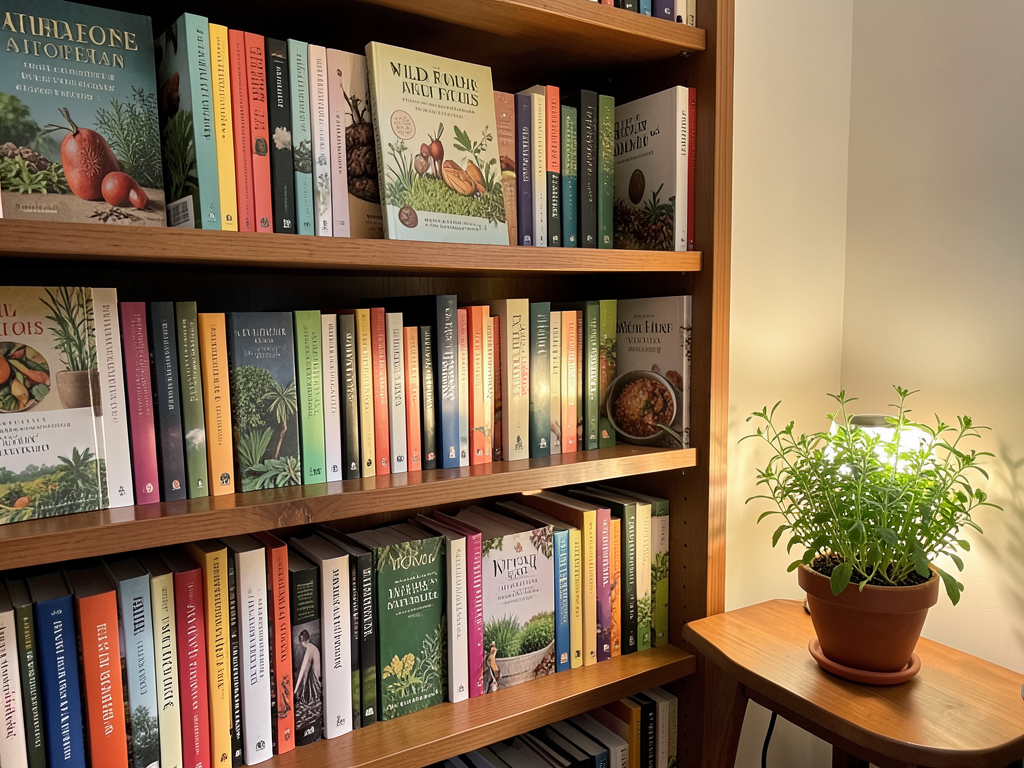
The ideal foraging library includes both. You carry the field guide into the woods. You keep the cookbook in the kitchen. Together they form a complete system — identification outdoors, transformation indoors.
If you’re building a foraging library from scratch, here’s the recommended pairing:
| If You Buy This Field Guide… | …Pair It With This Cookbook |
|---|---|
| Peterson Field Guide to Edible Wild Plants | The Forager’s Feast by Leda Meredith |
| The Forager’s Harvest by Samuel Thayer | Wildcrafted by Pascal Baudar |
| Mushrooms Demystified by David Arora | Cooking With Wild Mushrooms by Holmberg |
| Northeast Foraging by Leda Meredith | The Wild Table by Green and Scott |
| Any regional field guide | Backyard Foraging by Ellen Zachos |
Digital Alternatives: Foraging Recipe Apps and Online Resources
Not ready to commit to a physical cookbook? I understand — shelf space is limited and cookbooks aren’t cheap. Here are the best digital alternatives for wild food recipes:
Falling Fruit (fallingfruit.org). Not a recipe app, but an interactive map of urban foraging locations worldwide. Useful for finding ingredients, then using this article’s cookbook recommendations for the cooking part.
Wild Food UK YouTube channel. British foragers with excellent recipe videos. The mushroom soup episode alone has saved me from boring mushroom meals at least a dozen times.
Forager Chef (foragerchef.com). Alan Bergo’s website is essentially a free online foraging cookbook. It’s particularly strong on mushroom recipes and wild plant preservation techniques. Bergo is a former restaurant chef who now forages full-time, and his technique explanations are professional-grade.
Instagram accounts worth following. @pascalbaudar (fermentation and wild food art), @blackforager (accessible, funny, educational short-form recipes), @foragerchef (Alan Bergo again, with beautiful wild food photography).
These digital resources are excellent supplements, but they have the same limitation as plant ID apps: they’re harder to reference with flour-covered hands in the middle of cooking a recipe. A physical book stays open on your counter. A phone locks itself and falls into the nettle blanching water. Choose accordingly.
Frequently Asked Questions
Q: Can I use regular cookbooks and just substitute wild ingredients?
Sometimes, but not always. Wild greens are more bitter than domesticated greens. Wild mushrooms release more water than cultivated mushrooms. Acorn flour has zero gluten. If a regular recipe isn’t working with wild ingredients, the problem isn’t you — it’s the ingredient mismatch. A dedicated foraging cookbook accounts for these differences.
Q: I’m vegan. Are there foraging cookbooks for plant-based diets?
The Forager’s Feast by Leda Meredith has extensive vegetarian and vegan options. Backyard Foraging by Ellen Zachos is predominantly plant-based. Pascal Baudar’s fermentation books are also excellent for vegans. The mushroom cookbook by Holmberg and Holmberg uses dairy and meat in some recipes, but the mushroom techniques are universal.
Q: Do I need both a field guide AND a foraging cookbook?
Yes, ideally. A field guide is for safe identification in the field — it’s a safety tool. A foraging cookbook is for the kitchen — it’s a culinary tool. Using a cookbook as your only reference for plant identification is dangerous. Using a field guide as your only resource for cooking is limiting.
Q: What’s the single most useful foraging cookbook for a complete beginner?
Backyard Foraging by Ellen Zachos. The plants are common, the recipes are simple, the techniques are forgiving, and you probably already have the ingredients growing in your yard. Start there, build confidence, then expand.
Q: Are older foraging cookbooks still relevant?
Many are — but check the taxonomy. Plant names get reclassified periodically, and a cookbook from 1985 might use scientific names that are now outdated. The cooking techniques are usually still valid, but cross-reference any identification information with a current field guide.
Q: How do foraging cookbooks handle regional differences?
This varies dramatically. The Forager’s Feast covers North America broadly. The Wild Table focuses on the Pacific Northwest and California. Wild Flavors is Northeast-centric. Read the introduction of any foraging cookbook — the best ones explicitly state their geographic scope.
The Bottom Line
If you’ve been foraging for a while and your cooking still feels stuck at “sauté in butter and hope for the best,” a good foraging cookbook will change everything. These aren’t just collections of recipes — they’re the accumulated wisdom of people who’ve spent decades learning what wild food can become when you treat it with the respect it deserves.
The Forager’s Feast is my top recommendation for almost everyone. It’s comprehensive without being overwhelming, organized intuitively by plant, and written with the clarity that comes from someone who’s taught thousands of people to cook wild food.
For project cooks and fermentation enthusiasts, Pascal Baudar’s Wildcrafted will keep you busy for years. For the science-minded, Mike Krebill’s Scout guide punches far above its weight class. And for anyone overwhelmed by a bumper crop of wild mushrooms, Holmberg and Holmberg’s slim mushroom cookbook deserves a permanent spot next to your stove.
Wild food doesn’t have to taste like survival rations. With the right cookbook, it can taste like the best meal you’ve had all year.