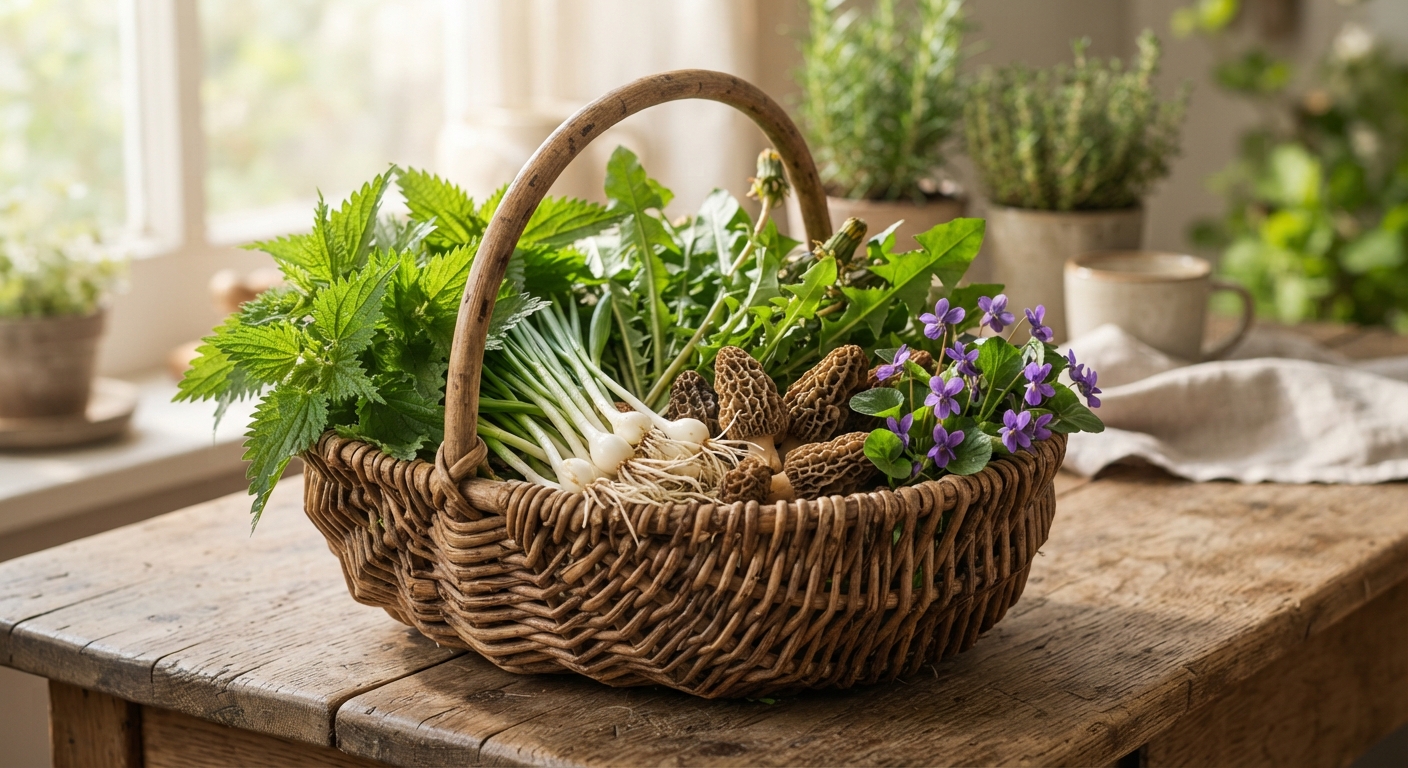
Spring is the season every forager dreams about all winter. After months of root vegetables and frozen stores, the landscape explodes with tender new growth — and most of it is edible. If you’ve ever asked yourself what to forage in spring, you’re about to discover that the answer changes almost weekly. Spring foraging isn’t a single season — it’s three distinct chapters, each with its own cast of wild foods.
This guide walks you through exactly what to look for, when to look for it, and how to time your foraging trips across early spring (March), mid-spring (April), and late spring (May). Think of this as your spring harvest calendar — a field companion for planning, not a plant identification manual. Always cross-reference with a reliable field guide before harvesting anything new.
The Spring Foraging Rhythm
Before we dive into specific plants, understand the big picture. Spring foraging moves in a predictable wave:
- Early spring (March) starts underground and low to the ground — roots, early greens, and the first alliums poke through barely-thawed soil.
- Mid-spring (April) is the green explosion — greens are at peak tenderness, morels appear, and flowers begin opening.
- Late spring (May) transitions toward summer — flowers dominate, tree tips are ready, and the last mushrooms of spring flush before the heat sets in.
Timing varies by latitude, elevation, and yearly weather patterns. A patch of ramps that peaks April 15 in southern Ohio might not appear until May 1 in northern Michigan. Use the calendar below as a general guide, and let your local conditions be the real authority.
Spring Foraging Calendar at a Glance
| Wild Food | Category | Early Spring (March) | Mid-Spring (April) | Late Spring (May) |
|---|---|---|---|---|
| Stinging Nettle | Greens | 🌿 Young shoots | 🌿🌿 Peak | 🌿 Getting tough |
| Chickweed | Greens | 🌿🌿 Peak | 🌿 Fading | — |
| Dandelion | Greens & Flowers | 🌿 Leaves | 🌿 Leaves | 🌼 Flowers peak |
| Lamb’s Quarters | Greens | — | 🌿 Young plants | 🌿🌿 Peak |
| Garlic Mustard | Greens | 🌿 First-year rosettes | 🌿🌿 Peak leaves | 🌼 Flowers & seeds |
| Ramps | Alliums | — | 🌿🌿 Peak | 🌿 Late season |
| Wild Garlic | Alliums | 🌿🌿 Peak | 🌿 Fading | 🌼 Flowers |
| Morels | Mushrooms | — | 🍄🍄 Peak | 🍄 Late in north |
| Dryad’s Saddle | Mushrooms | — | 🍄 Appearing | 🍄🍄 Peak |
| Oyster Mushrooms | Mushrooms | 🍄 Cool-weather flush | 🍄🍄 Peak | 🍄 Fading |
| Violets | Flowers | — | 🌼 First blooms | 🌼🌼 Peak |
| Redbud | Flowers | — | 🌼🌼 Peak | — |
| Elderflower | Flowers | — | — | 🌼🌼 Peak |
| Maple Sap | Tree Products | 🍁🍁 Peak | 🍁 Fading | — |
| Spruce Tips | Tree Products | — | 🌲 Appearing | 🌲🌲 Peak |
🌿 = Available | 🌿🌿 = Peak | 🍄 = Available | 🍄🍄 = Peak | 🌼 = Blooming | 🍁🌲 = Product Available
Early Spring (March): What to Forage First
March is the forager’s appetizer course. The ground might still freeze overnight, but the first wild foods are already stirring. This is the season of patient searching — what you find now is precious precisely because it’s scarce.
Greens in March
Stinging Nettle (Urtica dioica) is the undisputed king of early spring greens. Look for the first tender shoots — just 2 to 6 inches tall — emerging in rich, disturbed soil along stream banks, woodland edges, and old farm sites. The first nettles appear when daytime temperatures consistently hit 50°F. Harvest only the top few leaves and stems; at this stage they’re tender enough to eat after a quick blanch. Nettles this young have a mineral-rich, almost spinach-like sweetness that you simply cannot get later in the season.
Chickweed (Stellaria media) hits its absolute peak in March before most other plants have even woken up. This low-growing, sprawling plant forms dense mats in gardens, fields, and disturbed ground — anywhere soil has been turned. Look for the tiny white star-shaped flowers and the single line of hairs running along the stem. Chickweed has a mild, corn-silk sweetness and a satisfying crunch. It’s one of the best salad greens you’ll ever eat, wild or cultivated, but it fades fast — once daytime temperatures climb past 70°F, chickweed goes stringy and bitter within a week.
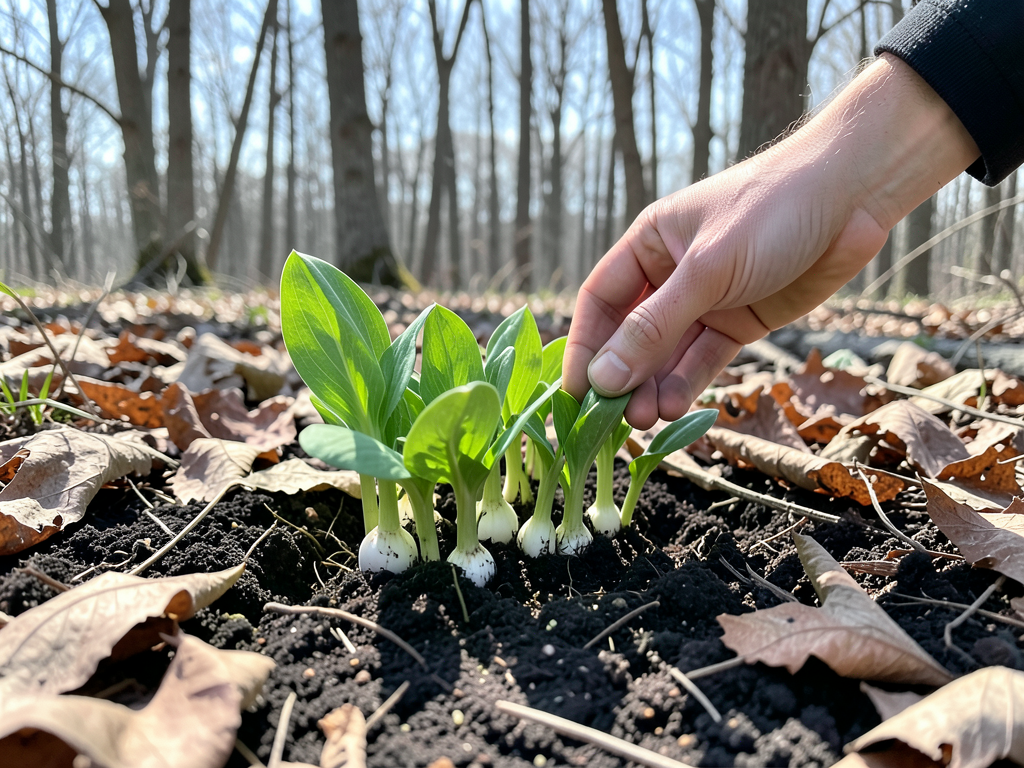
Garlic Mustard (Alliaria petiolata) — first-year rosettes are available all winter in milder climates, but March is when they really wake up. The kidney-shaped leaves with scalloped edges hug the ground in circular clusters. Crush a leaf and smell it — the garlic scent is unmistakable. First-year leaves are milder than second-year flowering stalks, making March the ideal window for garlic mustard pesto and salads. Bonus: this is one of the most aggressive invasive species in North America, so you’re doing the ecosystem a favor by harvesting aggressively.
Other March Harvests
Maple Sap — if you tap trees, late February through March is prime sugaring season. Sap flows best when nights are below freezing and days are above freezing, typically 20°F at night and 40°F during the day. Sugar maples are the gold standard, but red maples, silver maples, and box elders all produce usable sap. A single healthy sugar maple can yield 10 to 20 gallons of sap per season — which boils down to about one quart of syrup per tree.
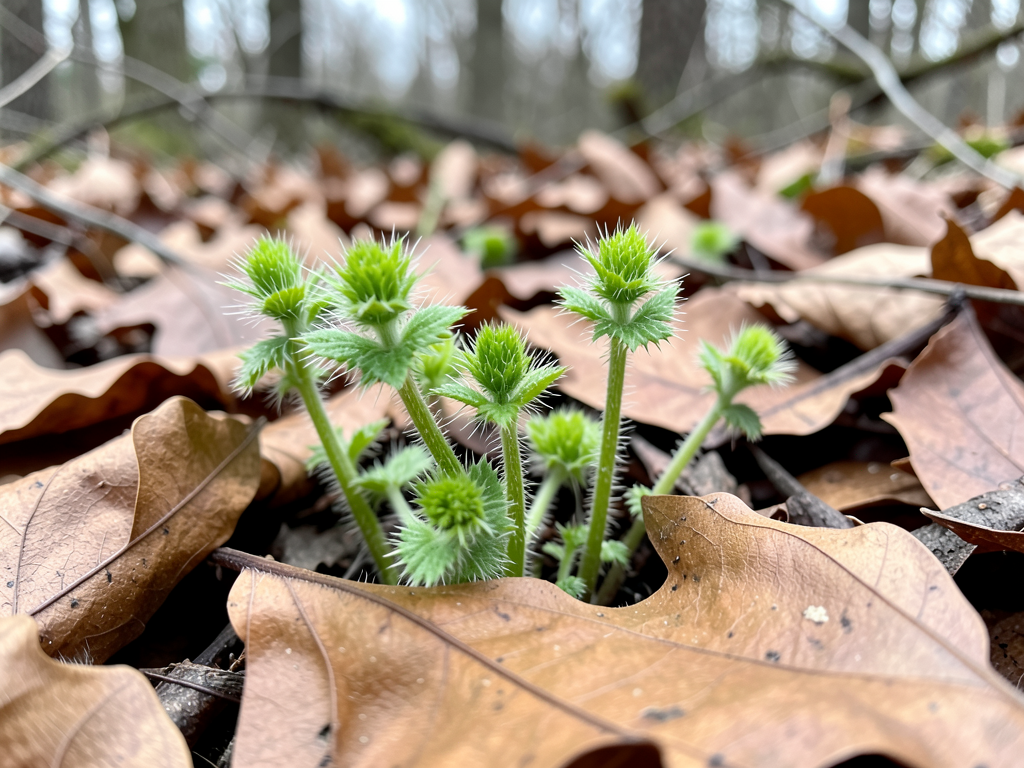
Wild Garlic (Allium ursinum, A. vineale) starts showing in March. Unlike ramps, which wait until April, wild garlic is an early riser. In warmer regions and south-facing slopes, you’ll find the slender, hollow, circular leaves pushing through leaf litter by mid-March. The flavor is sharp, grassy, and distinctly garlicky — use it like chives. Wild garlic peaks in March and early April, then fades as it directs energy toward flowering.
Oyster Mushrooms (Pleurotus ostreatus) — while most people associate mushrooms with mid-spring, oyster mushrooms often flush during warm spells in late March. Check dead standing hardwoods, especially cottonwood, box elder, and elm. March oysters tend to be smaller and denser than later flushes, with an intensely concentrated flavor. Look for the characteristic decurrent gills running down the stubby stem and the shelf-like clusters overlapping like shingles.
Mid-Spring (April): The Green Explosion
April is when spring foraging shifts from “treasure hunt” to “buffet.” The woods and fields are suddenly full, and the challenge becomes choosing what to harvest — not finding it. This is the month to fill your dehydrator, your freezer, and your dinner plate.
Greens in April
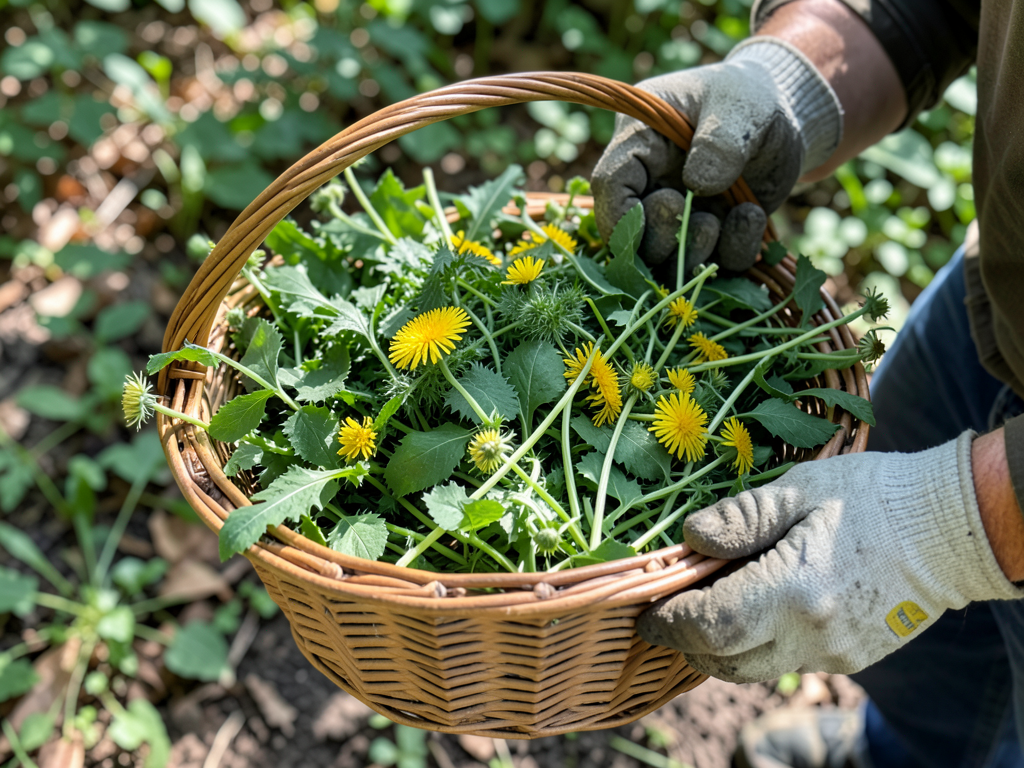
By April, nettles are at their absolute prime. Plants are now 8 to 18 inches tall and the top 4 to 6 inches of each stalk is perfectly tender. Harvest by snipping tops with scissors into a paper bag — never barehanded, unless you enjoy the tingling numbness that lasts for hours. April nettles are ideal for drying (nettle tea all year), blanching and freezing (nettle soup in December), and fresh eating (nettle spanakopita, anyone?).
Dandelion (Taraxacum officinale) leaves are at their least bitter in April — before the flower stalks rise. Look for dandelions growing in shade or tall grass; these produce longer, more tender leaves than those baking in full sun. The key to good dandelion greens is picking them before the yellow flowers appear. Once blooming starts, the leaves turn aggressively bitter. April dandelion greens sautéed with garlic, olive oil, and a splash of lemon juice taste almost like cultivated chicory — because they’re cousins.
Garlic Mustard shifts into its second-year form in April. The flower stalks shoot up, and while the leaves become more pungent, the flower buds are a delicacy — they taste like tiny broccoli florets with a garlic kick. Sauté them briefly in butter. By late April, second-year plants are 1 to 3 feet tall with clusters of white four-petaled flowers at the top. The entire above-ground plant is still edible, just stronger in flavor.
Alliums: The Stars of April
Ramps (Allium tricoccum) are the celebrity of the spring woods, and April is their month of glory. These wild leeks with broad, smooth, lily-like leaves emerge in rich hardwood forests — look for north-facing slopes with mature maple, beech, and birch trees. Ramps are unmistakable once you know them: 2 to 3 broad green leaves (sometimes with reddish stems at the base), growing in dense patches that can carpet entire hillsides. The scent is oniony-garlicky and fills the air around a good patch.
A note on sustainability: Ramps have become so popular that overharvesting is a real problem. A ramp patch takes 5 to 7 years to recover if bulbs are dug up. Harvest only one leaf per plant, leaving the bulb and at least two leaves to photosynthesize. Better yet, harvest from the edge of large patches and rotate your spots yearly. Some of the most famous ramp festivals in Appalachia now face declining wild populations — don’t contribute to that.
Ramp leaves are milder than the bulbs, with a flavor somewhere between scallion and garlic chive. They’re extraordinary grilled whole, chopped into compound butter, blended into pesto, or pickled. The window is short — ramp leaves start yellowing by early May, and the flavor degrades.
Wild Garlic in April is still harvestable but past its peak. If you find patches in deep shade or at higher elevations, you might catch the tail end. Focus instead on the flower buds that appear late in the month; wild garlic scapes are a bonus harvest most foragers overlook.
April Mushrooms
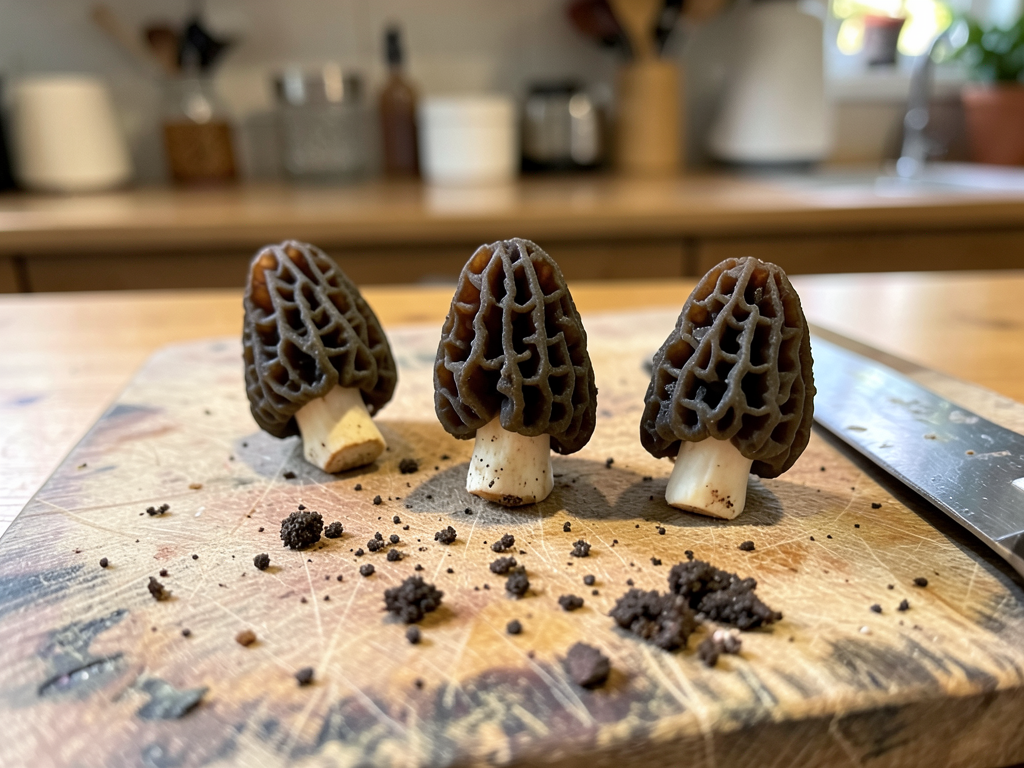
Morels (Morchella spp.) — the Holy Grail. April is prime morel season across most of the continental United States. The classic advice “when oak leaves are the size of a mouse’s ear” is actually useful, but here’s a more practical framework: morels emerge when soil temperatures reach 50-55°F at 4 inches deep, typically after a warm rain when daytime highs hit the 70s for a few consecutive days.
Look around dying or recently dead elms, old apple orchards, ash trees, and tulip poplars in hardwood forests. The relationship between morels and trees is complex — they grow near living trees too, but the “dying tree” pattern is the most reliable for beginners. Burn sites and disturbed ground can also produce massive flushes the spring after a fire.
Take spore print and cross-section identification seriously. True morels are completely hollow from stem tip to cap tip when sliced lengthwise. If it’s not hollow, it’s not a morel. False morels (Gyromitra spp.) contain monomethylhydrazine — rocket fuel compound — and can make you seriously ill or worse. Cut every single one.
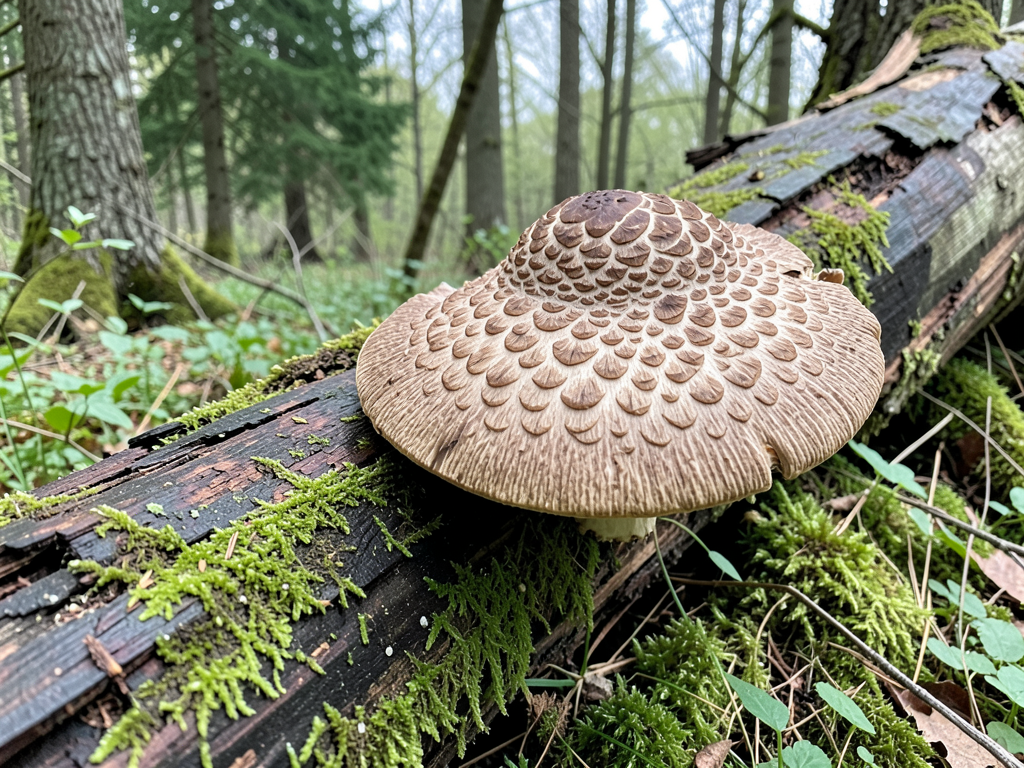
Dryad’s Saddle (Cerioporus squamosus) starts appearing in April on dead and dying hardwoods, especially elm and box elder. These bracket fungi are hard to miss — the caps grow to 12 inches across or more, with beautiful brown scale patterns on top that give them their other common name: pheasant back. The scent is remarkable — fresh dryad’s saddle smells distinctly like watermelon rind or cucumber.
Only young specimens are worth eating. When the pore surface on the underside is still tight and white-cream colored, the outer 1 to 2 inches of the cap are tender and delicious. Once the pores elongate and turn yellowish, the mushroom turns tough and woody. Slice the tender edges thin and cook hot and fast — dryad’s saddle “bacon” (thin slices fried until crispy) is a legitimate spring delicacy.
Late Spring (May): Flowers, Tips, and Transitions
May is the bridge month — spring foraging transitions toward early summer. Greens begin bolting and turning bitter, but flowers are everywhere and tree tips are at their brief, perfect window. This is the month for delicate flavors and aromatic harvests.
Edible Flowers in May
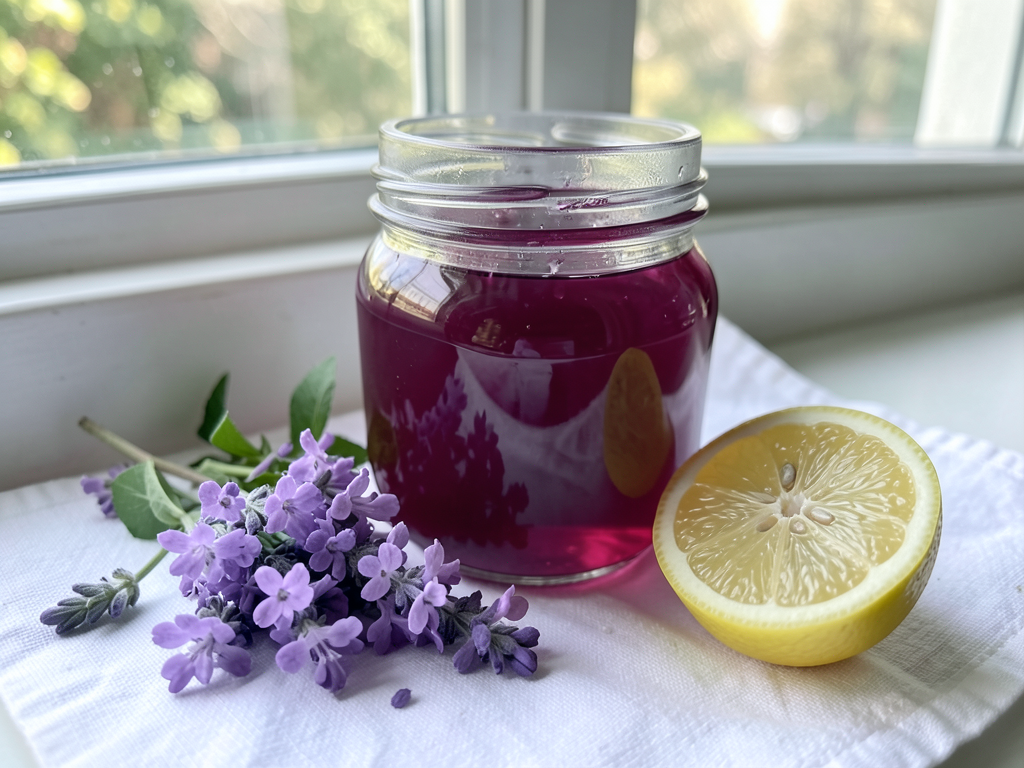
Violets (Viola spp.) carpet lawns, woodland edges, and meadows throughout May. The common blue violet, Confederate violet, and yellow violet are all edible — sweet, slightly mucilaginous, and beautiful. Harvest flowers on a dry, sunny afternoon for the best flavor. Violets are wonderful candied (brush with egg white, dust with superfine sugar, let dry), scattered over salads, frozen into ice cubes for cocktails, or turned into a color-changing syrup that shifts from purple to pink with a squeeze of lemon.
Redbud (Cercis canadensis) blooms peak in April in warmer zones but extend into May further north. The magenta-pink flowers appear directly on branches before the heart-shaped leaves emerge — an unmistakable sight in the spring woods. Redbud flowers taste like slightly sweet, raw green peas with a floral finish. Sprinkle them over salads, fold them into pancake batter, or pickle the unopened flower buds as a caper substitute. The young seed pods that follow the flowers are also edible — cook them like snow peas.
Elderflower (Sambucus canadensis, S. nigra) arrives in late May through early June depending on latitude. Elder shrubs favor sunny, moist edges — roadsides, stream banks, and old homesteads. The flower clusters (umbels) are flat-topped sprays of tiny cream-white blossoms with an intoxicating fragrance — floral, honeyed, slightly musky. Elderflower cordial, fritters, champagne, and syrup are all worth the effort. Harvest on a warm, dry day when most flowers in the cluster are open but none have started browning. Shake off insects gently — elderflowers host a lot of tiny pollinators, and you want to leave them behind.
Important safety note: Never consume elder leaves, stems, bark, or unripe berries. They contain cyanogenic glycosides that can cause nausea and vomiting. Stick to the flowers (and later, the fully ripe, cooked berries) and you’ll be fine. Also, do not confuse elderflower with water hemlock or other white-flowered umbellifers — elder has opposite, compound leaves and woody stems, while the toxic look-alikes are herbaceous.
May Greens
By May, many spring greens are past their prime, but some are just getting started:
Lamb’s Quarters (Chenopodium album) is one of the last spring greens to emerge and one of the best. Often called “wild spinach,” it tastes remarkably close to cultivated spinach — earthy, mineral-rich, with a hint of nuttiness. Look for the distinctive mealy-white coating on young leaves, which have a goosefoot shape (hence the genus name). Lamb’s quarters thrive in disturbed soil, especially gardens and farm fields. The plants are at their peak when 6 to 18 inches tall in May, before the tiny green flowers appear. Steam them, sauté them, or eat the smallest leaves raw. Nutritionally, lamb’s quarters rival or surpass spinach in vitamins A and C, calcium, and protein.
Stinging Nettle in May is still harvestable, but only if you focus on new growth after cutting. If you cut a nettle patch in April, the regrowth in May gives you a second crop of tender tips. Otherwise, mature May nettles are fibrous and developing cystoliths (microscopic calcium carbonate structures) that can irritate the urinary tract in sensitive individuals. Once nettles flower, stop harvesting.
May Mushrooms
Morels continue flushing through May in northern states, higher elevations, and cool microclimates. If April was your local peak, check north-facing slopes and river bottoms in May — these hold moisture and stay cooler. Yellow morels (Morchella esculenta group) tend to appear slightly later than black morels (Morchella elata group), so a late flush is usually the yellows.
Dryad’s Saddle reaches its peak in May, with large flushes appearing on dead elms, willows, and other hardwoods after spring rains. Check the same logs every few days — new specimens can appear and reach harvestable size within 48 hours in warm, wet weather.
Tree Products: Spruce Tips
Spruce Tips (Picea spp.) are the bright lime-green new growth at the tips of spruce branches, and May is their fleeting moment. You have roughly a 2-week window when the papery brown husk falls off and the tender new needles are soft, flexible, and citrusy-bright. Once the needles harden and darken, you’ve missed it.
Harvest by pinching off the tips with your fingers — no tools needed when they’re at the right stage. Spruce tips taste like lemon-rosemary-pine, with a resiny brightness that enlivens everything they touch. Use them fresh in salads, pickle them as a caper substitute, infuse them into vodka or gin, brew them as tea (high in vitamin C), or make spruce tip syrup — which is fantastic on pancakes, in cocktails, or drizzled over vanilla ice cream. Identify spruce by its square needles (unlike flat fir needles) and the small wooden pegs left on the twig when needles fall.
A caution about evergreens: Stick to spruce (Picea) and fir (Abies). Avoid pine (Pinus) in large quantities — some species contain compounds unsafe during pregnancy — and stay far away from yew (Taxus), which is highly toxic. Yew has flat needles and red berries; spruce has square needles and pendant cones.
How to Plan Your Spring Foraging Schedule
After years of spring foraging, here’s what actually works:
Check your soil temperature. Get an inexpensive soil thermometer and monitor it at 4 inches deep in your target areas. Morels appear at 50-55°F. Nettles emerge when the top inch of soil thaws consistently. Ramps appear when soil reaches about 45°F. Soil temperature is more reliable than calendar dates.
Scout in winter. January and February are the best months for planning spring foraging. Without leaves on the trees, you can see terrain features, identify dead elms (white, peeling bark, still standing) that might host morels, find ramp patches by their dried seed stalks from last year, and locate elder shrubs by their distinctive bark and branch structure. Mark everything on your phone’s GPS. When spring arrives, you’ll head straight to known locations instead of wandering.
Layer your harvests. Don’t just visit each spot once. A good nettle patch can be harvested 2 to 3 times by cutting at different heights or different plants each visit. A morel spot should be checked every 2 to 3 days during the season window. Wild garlic — harvest leaves early, then revisit for flower buds. Think in waves, not single events.
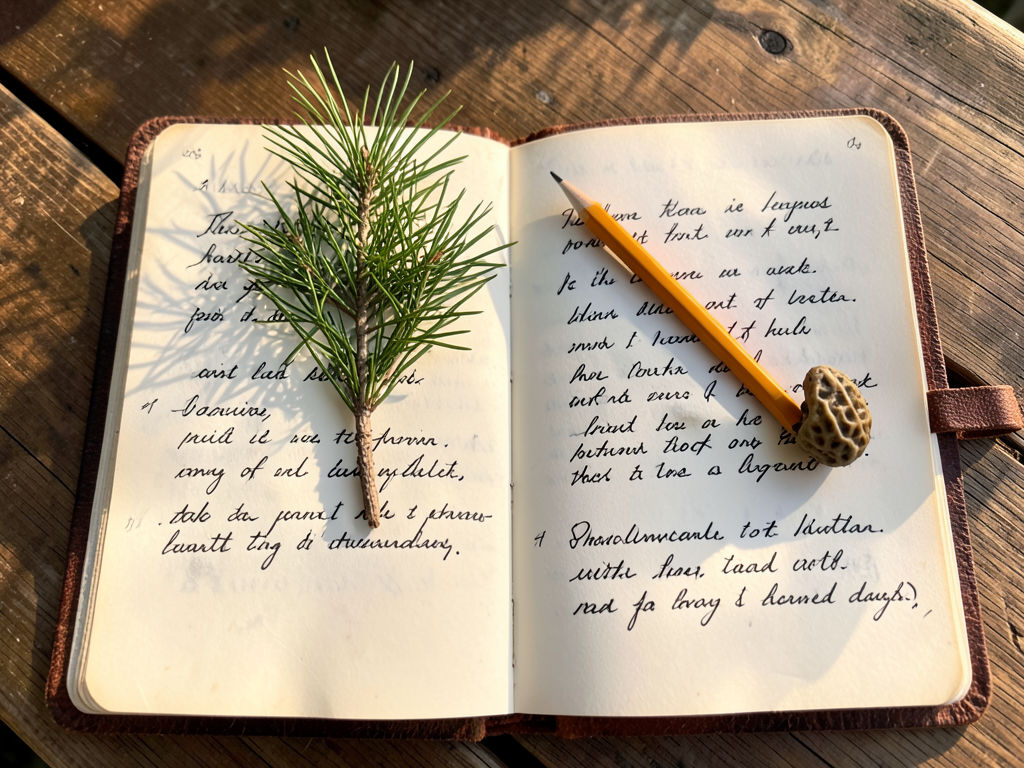
Keep a foraging journal. Record dates, locations, what you found, weather conditions, and soil temperatures. After two seasons, you’ll have a personal almanac more valuable than any book — it tells you exactly when things appear in your specific foraging territory.
What NOT to Forage in Spring
Seasonal wisdom isn’t just about knowing what to harvest — it’s knowing what to leave alone:
- Fiddleheads — while edible, the ostrich fern fiddlehead has toxic look-alikes, and populations are declining from overharvesting in many regions. Unless you’re certain of both identification and sustainability, admire them and move on.
- Pokeweed shoots — technically a spring green, but pokeweed requires very careful preparation (multiple water changes during boiling) and even then can cause GI distress in some people. Not worth the risk for beginners.
- Mushrooms you can’t confidently identify — spring has some truly dangerous mushrooms. The deadly Galerina marginata fruits on wood in spring and looks like a small brown mushroom to untrained eyes. If you’re not 100% certain, take photos, take notes, and leave it.
Your Spring Foraging Checklist
Print this, screenshot it, or scribble it in your journal:
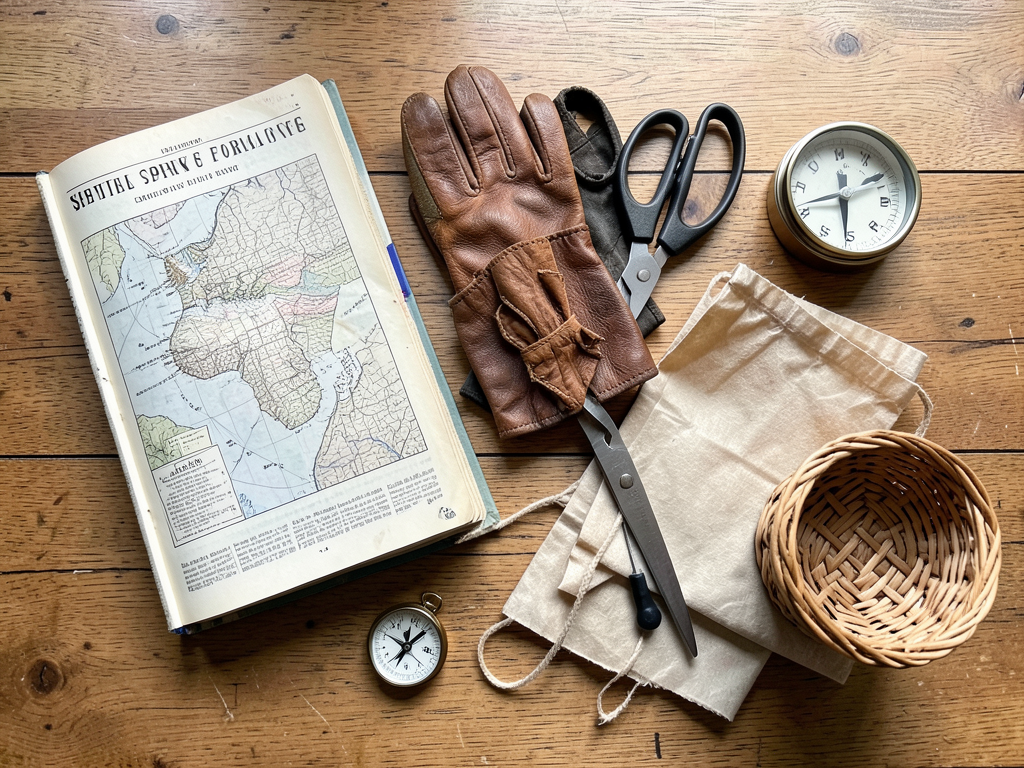
- Soil thermometer — cheap, indispensable
- Paper bags or a woven basket — never plastic, it steams your harvest
- Scissors or a sharp knife — clean cuts heal faster than torn stems
- Gardening gloves — for nettles, obviously, but also for reaching into unknown foliage
- Field guide — choose one specific to your region; apps can supplement but shouldn’t replace
- Phone for GPS marking — mark every find, even the small patches
- Water and snacks — foraging makes you lose track of time
- Bug spray — ticks are active as soon as temperatures hit 40°F
- Permission — know whose land you’re on and whether foraging is allowed
The Seasonal Mindset
Here’s what I’ve learned after twenty-plus springs in the woods: the best foragers aren’t the ones who know the most plants. They’re the ones who know the most about timing.
You don’t need to identify 200 wild edibles. You need to identify 15 things reliably and know exactly what week they appear in three or four specific locations. That’s what fills your basket. The forager with a dozen well-scouted spots and a soil thermometer will out-harvest the forager with an encyclopedic plant knowledge and no plan, every single spring.
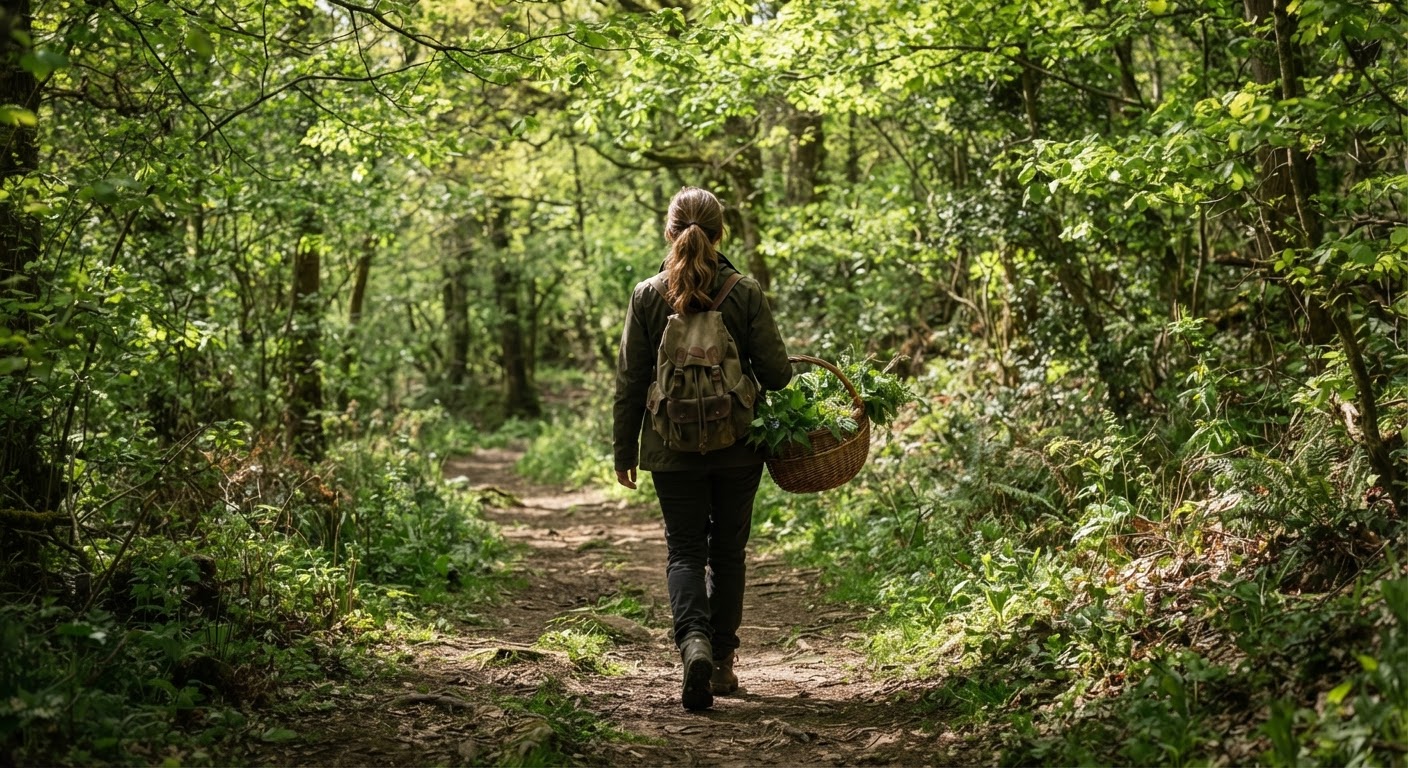
Spring foraging rewards attention. The window for ramp leaves is about three weeks. The window for perfect morels can be a single warm, rainy weekend. The spruce tip harvest is maybe ten days. If you’re not watching, you’ll miss it. If you are watching — if you’re out there every few days, noting the soil temperature, checking your spots — spring will feed you like no other season can.
Every year I tell myself I’ll catch the spruce tips at the right moment, and every year I realize I’m a week late for at least one patch. That’s the game. Perfection isn’t the goal — staying connected to the rhythm is.
Now get out there. The nettles are waiting.
Always consult multiple reliable field guides and, when possible, learn directly from experienced foragers before consuming any wild plant or mushroom. If you cannot identify something with 100% confidence, do not eat it. Responsible foraging means harvesting sustainably, respecting private property, and following local regulations.